 (918) 694-1483
 Flat Roof Drainage Problems and Solutions: Expert Guide to Water Management
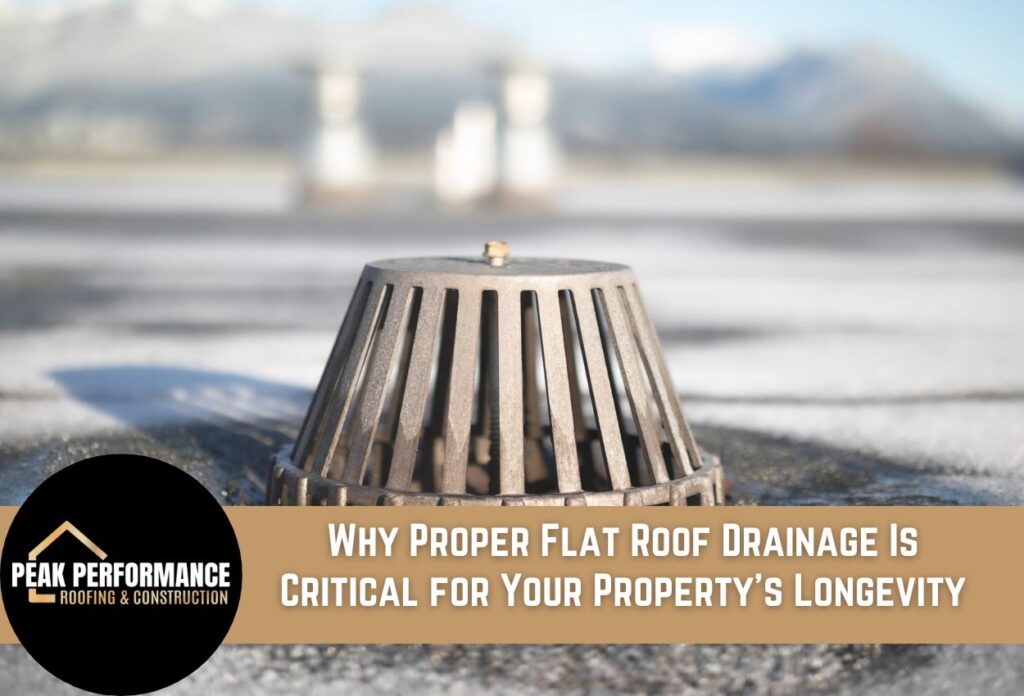

Flat roof drainage problems create some of the most expensive and destructive issues property owners face. Unlike sloped roofs that naturally shed water through gravity, flat roofs require engineered drainage systems to prevent water accumulation and the cascading damage that follows.
When flat roof ponding water becomes a chronic problem, the consequences go beyond surface-level concerns. Standing water can seep under roofing membranes, saturate insulation, and eventually compromise structural elements. Interior spaces suffer from mold growth, ceiling damage, and compromised air quality. What begins as a small drainage issue rapidly escalates into structural repairs affecting multiple building systems.
Commercial flat roof gutters and internal drainage systems must handle significantly different water volumes compared to residential sloped roofs. Traditional drainage approaches fail because flat roofs tend to collect and concentrate water rather than dispersing it. Without proper roof drainage system installation, even minor design flaws result in inadequate roof drainage that threatens the entire building.
Property owners who understand these differences between flat and sloped roof water management can prevent thousands in emergency repairs. Effective flat roof water removal requires strategic planning, proper installation techniques, and regular maintenance specifically designed for low-slope roofing systems.
Identifying the Warning Signs of Flat Roof Drainage Failure
Recognizing signals of flat roof drainage problems early can prevent catastrophic damage and emergency repairs. Property owners should regularly inspect their roofs for specific visual warning signs that indicate developing drainage issues.
Flat roof ponding water leaves unmistakable evidence even after the water has evaporated. Dark staining patterns indicate areas where water consistently pools, while premature membrane deterioration occurs in these same zones. Vegetation growth, including algae, moss, or weeds, thrives in areas with inadequate roof drainage, creating additional maintenance challenges and accelerating roof deterioration.
Interior damage often becomes visible before exterior problems. Ceiling stains, water spots, or discoloration directly below problem areas indicate that drainage systems are failing. Musty odors throughout interior spaces suggest moisture infiltration, while unexplained temperature fluctuations can signal compromised insulation due to water saturation.
Commercial flat roof gutters that overflow during moderate rainfall have inadequate capacity for the building’s water runoff. Rust stains around drainage components, loose or separated flashing, and debris accumulation around drains all indicate developing problems. Property owners should also monitor for sagging areas where water naturally collects, as these low spots often require immediate attention to prevent membrane failure and structural damage.
Common Causes Behind Flat Roof Water Accumulation
Design flaws are a significant contributor to flat roof drainage problems and often require comprehensive system modifications to resolve. Insufficient slope is one of the primary causes of flat roof ponding water, as surfaces lacking adequate pitch cannot direct water toward drainage points. Many flat roofs installed with slopes less than 1/4 inch per foot fail to achieve proper water movement, particularly when structural settling occurs over time.
Improperly positioned drains compound slope-related issues by creating inefficient water collection patterns. When drainage points are located in areas that don’t align with natural water flow, large sections of the roof retain moisture long after precipitation ends. Undersized drainage systems are frequently overwhelmed during heavy rainfall, causing backup that forces water to seek alternative paths through vulnerable membrane areas.
Maintenance-related factors accelerate existing design weaknesses and create new flat roof water removal challenges. Debris blockages in commercial flat roof gutters prevent normal water flow, while accumulated leaves, dirt, and organic material create dams around drainage components. Membrane settlement develops over time as roofing materials compress, creating low spots where water naturally pools despite originally adequate slopes.
Damaged roof components, including cracked flashing, loose membrane seams, and deteriorated drain connections, disrupt water flow patterns. These maintenance issues transform minor drainage inefficiencies into situations that require immediate professional intervention to prevent extensive structural damage.
Essential Drainage System Components for Effective Water Management
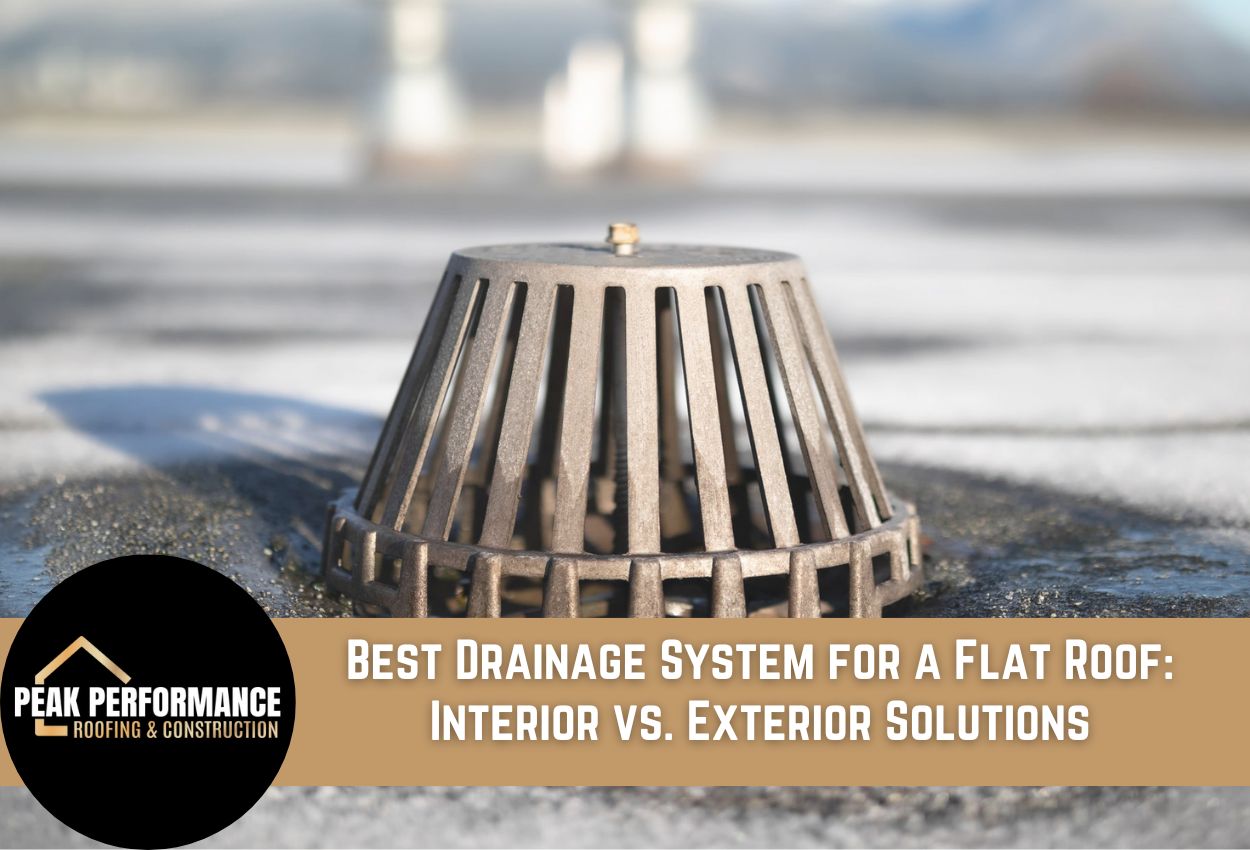
Primary drainage components are the foundation of any effective flat roof water removal system and require precise sizing and positioning to handle anticipated water loads. Roof drains serve as the primary collection points, typically installed at the lowest elevation to maximize gravitational flow. These drains must accommodate the roof’s square footage and local precipitation rates, and most commercial applications require multiple drain locations to prevent overwhelming a single point.
Scuppers provide essential overflow protection by creating controlled exit points along roof edges when primary drains reach capacity. Commercial flat roof gutters work in conjunction with scuppers to channel excess water away from building foundations and prevent ponding during severe weather. Downspouts must be sized appropriately to handle the concentrated water volume from multiple collection sources without creating bottlenecks that force water backup.
Secondary drainage features provide critical protection when primary systems reach capacity or encounter blockages. Overflow drains activate when water levels exceed normal operational parameters, preventing catastrophic membrane failure from excessive water loading. Emergency drainage pathways include additional scuppers, secondary gutters, and relief outlets that are only used during extreme precipitation.
Flat roof drainage system installation requires strategic component placement that accounts for structural limitations, building codes, and maintenance accessibility. Each drainage element must integrate seamlessly with others to create redundant protection. When primary systems function normally, secondary features remain inactive, but their presence prevents the inadequate roof drainage that develops when single-point failures occur during major storms.
Professional Installation and Repair Strategies for Drainage Systems
Professional installation of flat roof drainage components requires adherence to specific technical standards that address waterproofing, structural integration, and regulatory compliance. Roof drainage system installation begins with accurate slope verification using laser levels and precision surveying equipment to ensure water flows consistently toward designated collection points. Contractors must establish minimum slopes of 1/4 inch per foot while accounting for structural deflection and long-term settling that could compromise drainage efficiency.
Seals around drainage points require close attention to prevent water infiltration through vulnerable connection points. Professional installers apply multiple membrane layers with heat-welded seams and chemical adhesion techniques that create permanent water barriers. Flashing installation requires precise measurements and custom fabrication to accommodate specific drain configurations, while clamping rings and compression fittings ensure secure mechanical connections that withstand thermal expansion and contraction cycles.
Repair strategies for existing systems generally focus on targeted interventions that address the root cause of the issue rather than temporary fixes. Professional drain cleaning removes accumulated debris using specialized equipment that prevents membrane damage during extraction processes. Membrane patching techniques use compatible materials with chemical bonding agents that create seamless repairs indistinguishable from the original installation.
Slope correction methods are one of the most complex repair categories, often requiring structural modifications to eliminate chronic flat roof water removal problems. Contractors use tapered insulation systems and specialized fill materials to redirect water flow toward drainage points. These repair techniques restore drainage function while maintaining structural integrity and code compliance.
Preventive Maintenance to Keep Your Drainage System Functional
Regular roof maintenance prevents minor drainage problems from developing into structural damage that threatens the entire building. Seasonal upkeep should address debris removal from all drainage components, including primary drains, gutters, and overflow systems. Spring cleaning removes accumulated winter debris, while fall maintenance prepares drainage systems for increased precipitation and prevents ice from forming around critical components.
Monthly drain inspections identify developing blockages before they lead to flat roof ponding water. Property managers should examine drain grates for leaf accumulation, inspect downspouts for proper water flow, and verify that scuppers remain unobstructed. Visual membrane assessments around drainage points help detect early signs of flashing separation or sealant deterioration that could compromise waterproofing integrity.
Professional maintenance strategies extend the drainage system’s lifespan by spotting potential failure points before emergency situations develop. Annual inspections by qualified roofing contractors assess slope adequacy, membrane condition, and drainage component functionality using specialized equipment that detects problems invisible to untrained observers. These assessments determine whether existing flat roof drainage capacity meets current building requirements and local weather patterns.
Proactive repair scheduling addresses small issues during favorable weather conditions rather than waiting until emergencies develop. System upgrades, including drain capacity improvements and slope corrections, prevent recurring maintenance problems while enhancing overall roof performance. Strategic component replacement during routine maintenance costs significantly less than emergency repairs and maintains continuous protection for building contents and structural elements.
When to Call Professional Roofing Contractors for Drainage Solutions
Complex flat roof drainage problems often exceed the capabilities of standard maintenance approaches and require specialized contractor expertise to resolve. Major slope corrections need precision grading techniques and structural modifications that only experienced professionals can execute safely. When flat roof ponding water covers large areas or persists for more than 48 hours after precipitation, the underlying issues typically require a system evaluation and redesign.
Before roof drainage system installation, calculations for load-bearing capacity, thermal expansion considerations, and building code compliance are needed. Commercial flat roof gutters that frequently overflow indicate undersized drainage infrastructure that needs capacity upgrades through strategic component replacement and system expansion. These interventions require specialized equipment, manufacturer warranties, and technical knowledge that general maintenance personnel cannot provide.
Selecting qualified contractors begins with verifying their current licensing status, liability insurance coverage, and documented experience with flat roof drainage systems. Contractors should provide detailed assessments that identify root causes rather than offering quick-fix solutions for chronic inadequate roof drainage. Professional evaluations include water flow calculations, membrane compatibility assessments, and long-term maintenance projections.
The professional repair process typically involves systematic diagnosis, detailed project specifications, and staged implementation that minimizes business disruption. Qualified contractors coordinate with building management to schedule work during optimal weather conditions while providing temporary protection measures during active construction phases. These comprehensive approaches ensure permanent solutions that address underlying causes rather than recurring symptoms.
Resolve Your Flat Roof Drainage Issues with Peak Performance Roofing & Construction
Don’t let flat roof drainage problems threaten your building. At Peak Performance Roofing & Construction, we identify and resolve complex drainage issues. Whether it’s drain repair, flat roof ponding water, or comprehensive system overhauls, our expert team can handle it all. Poor drainage can lead to severe structural damage over time, and our professional solutions keep your property safe and dry.
Contact Peak Performance Roofing & Construction at (918) 694-1483 to schedule a thorough inspection and address your flat roof drainage problems effectively. Your property deserves the best protection. Call us today!