
 (918) 694-1483
 Essential Winter Gutter Preparation Tips to Protect Your Tulsa Home
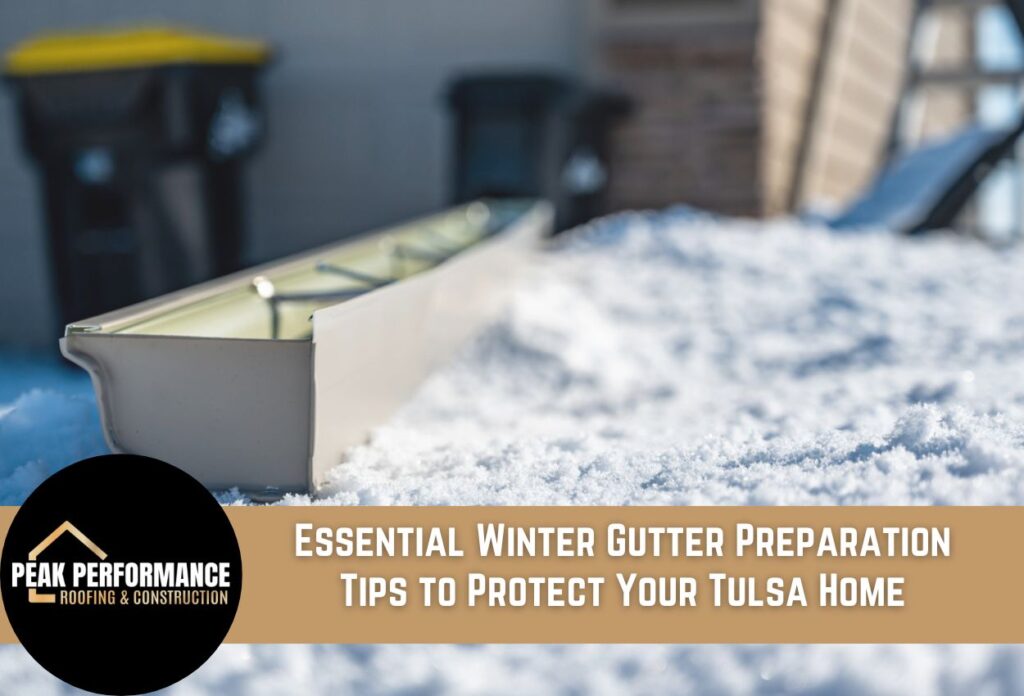
Winter weather poses serious threats to Oklahoma homes, with freezing temperatures and seasonal storms creating conditions that can devastate unprepared gutter systems. Ice dams, frozen downspouts, and debris buildup transform functional drainage systems into expensive repair problems that damage roofs, siding, and foundations.
Gutter preparation is essential before temperatures drop below freezing. Oklahoma homeowners face fluctuating winter temperatures that wreak havoc on gutters filled with leaves, twigs, and standing water. These conditions lead to ice formation that blocks water flow and creates dangerous icicles.
Gutter cleaning before winter removes debris that traps moisture and creates clogs. Other ice dam prevention tips include checking insulation and ensuring clear paths for water flow. Downspout maintenance prevents frozen pipes that redirect water toward building foundations, while gutter guard installation reduces debris accumulation throughout the year.
Winter roof maintenance extends beyond gutter systems but directly impacts drainage performance. Damaged shingles, loose flashing, and compromised roof edges allow water infiltration that compounds gutter problems. Taking care of both systems before winter arrives prevents expensive emergency repairs and protects your property. Taking steps now saves thousands in potential damage costs while ensuring drainage systems function properly throughout Oklahoma’s unpredictable winter months.
Signs Your Gutters Will Not Make it Through Winter
For homeowners in Tulsa, knowing whether your gutters can make it through the winter is essential. Damaged or failing gutters can quickly become a bigger issue once freezing temperatures and seasonal storms arrive. Recognizing the warning signs now can help you prevent emergency repairs later.
One of the most obvious signs is sagging or pulling gutters. If the system is already struggling to hold its weight, the added burden of ice and snow can cause entire sections to detach from your home. Leaks or visible cracks are another red flag, as minor dripping can quickly turn into larger gaps once water freezes and expands. You may also notice peeling paint or rust spots, which suggest long-term water damage and weakened materials that won’t hold up against winter weather.
Clogs are another common issue. If you see overflowing water, plant growth, or nests in your gutters, that buildup can harden into blockages when temperatures drop. This leads to ice dams, which can push water under your roofline and into your home. Finally, check for water pooling near your foundation after rain. This indicates your gutters aren’t directing water properly, which becomes even riskier when freezing and thawing cycles occur.
Addressing these problems before winter hits is especially important in Tulsa, where sudden temperature swings and heavy precipitation are common. Fixing or replacing compromised gutters now ensures your system can handle the season ahead without putting your roof, siding, or foundation at risk.
Importance of Gutter Cleaning and Inspection Before Winter Arrives
Gutter maintenance before winter should include debris removal and an inspection of the entire drainage system. Start by removing all leaves, twigs, and accumulated sediment from gutter channels using a scoop or trowel. Pay special attention to corners and downspout connections where debris typically collects and creates stubborn blockages that prevent proper water flow.
After clearing visible debris, flush gutters with water to identify remaining clogs and test drainage patterns. This step often reveals hidden blockages in downspouts and helps assess whether water flows smoothly toward drainage outlets. Ice dam prevention depends on eliminating these obstructions that cause water backup and freezing.
The inspection process focuses on identifying structural issues, including those mentioned above, that compromise gutter performance during winter. Check mounting brackets for looseness or separation from fascia boards, as these failures cause sagging that creates low spots where water pools and freezes. Examine seams and joints for gaps or separations that allow water to escape and potentially damage building materials.
Look for small holes, rust spots, or corrosion that indicate deteriorating gutter materials requiring immediate attention. Assess gutter slope by observing water flow during testing — proper drainage requires a consistent pitch toward downspouts. Document problem areas like improper slope or damaged sections that need to be fixed before freezing temperatures arrive. Downspout maintenance includes checking connections, clearing obstructions, and verifying that water diverts away from foundation areas effectively. These basic steps can be managed by most homeowners, though it is important to call a professional if major damage is found.
Proven Ice Dam Prevention Strategies for Your Gutter System
Ice dams form when snow melts on warm roof sections and refreezes at cooler gutter edges, creating barriers that trap water behind them. This trapped water backs up under shingles, causing leaks that damage ceilings, walls, and insulation. The weight of accumulated ice also stresses gutter systems, leading to separation from fascia boards and potential collapse that requires expensive emergency repairs.
Preventing ice dams and the associated damage requires addressing the root causes of the problem. Heat escaping through poorly insulated attics creates uneven roof temperatures that trigger the melt-freeze cycle. Blocked gutters filled with debris exacerbate problems by accelerating ice formation and reducing drainage capacity when partial melting occurs.
Improving attic insulation creates consistent roof temperatures that prevent selective snow melting. Adding insulation to recommended R-values reduces heat transfer through the roof deck, while sealing air leaks around penetrations eliminates cold air infiltration. Proper ventilation works alongside insulation by maintaining cool attic temperatures and allowing excess moisture to escape.
Installing adequate soffit and ridge vents creates airflow that keeps roof surfaces consistently cold. This ventilation system prevents the temperature differentials that cause ice dam formation while protecting structural components from moisture damage. Combining these improvements with thorough gutter cleaning and regular downspout maintenance creates comprehensive protection against ice-related damage throughout the winter.
Benefits of Gutter Guards in Winter
Gutter guards provide winter protection by preventing debris accumulation that creates ice dams and drainage blockages. These protective systems work continuously throughout the season, reducing maintenance requirements while ensuring consistent water flow even during freeze-thaw cycles that challenge traditional open gutter systems.
Mesh guards feature fine screening that blocks leaves and small debris while allowing water through. These systems work effectively on standard rooflines but may struggle with heavy Oklahoma ice storms that can damage screening materials. Solid guards with curved designs direct debris away while channeling water into gutters through surface tension and function even when temperatures fluctuate.
Foam inserts fill gutter channels while allowing water absorption and flow toward downspouts. These guards prevent debris accumulation but require more frequent replacement as materials break down over time. Brush-style guards create barriers using bristles that block larger debris while permitting water flow, though they may collect smaller particles that require occasional cleaning.
Selecting appropriate gutter protection systems depends on roof pitch, surrounding vegetation, and local weather patterns. Steep roofs shed debris more effectively but create faster water flow that challenges some guard designs. Properties with heavy tree coverage require more robust protection than homes in open areas. Professional roofing contractors can help you choose a gutter guard system that matches your specific property and provides benefits throughout the season.
Roof and Gutter Connection Points That Need Attention Before Winter
The areas where gutters attach to roofing systems are more vulnerable and require careful inspection and maintenance before winter weather arrives. These connection zones experience the greatest stress during freeze-thaw cycles, as expanding ice and accumulated snow test the integrity of mounting hardware, fascia boards, and sealing materials that keep water flowing away from structural components.
The condition of the fascia board directly impacts gutter stability and overall system performance during winter. These horizontal boards support the gutter weight while providing secure mounting surfaces for brackets and hangers. Damaged or rotting fascia boards cannot adequately support gutters filled with ice and debris, leading to separation failures that dump water against building foundations and cause extensive moisture damage.
Inspect fascia boards for soft spots, discoloration, or visible decay that indicates water infiltration behind gutter systems. Pay attention to areas where gutters have previously sagged or separated, as these locations often reveal underlying fascia deterioration. Replace damaged sections before installing or reattaching gutter systems to ensure adequate structural support throughout the winter.
Proper gutter pitch creates optimal drainage when partial melting occurs during winter temperature fluctuations. Gutters require a consistent slope toward downspouts to prevent water pooling that leads to ice buildup. Use a level to verify the gutter slope, adjusting mounting brackets as needed to create recommended drainage angles. By verifying gutter angle and fascia board conditions, homeowners can protect their property from unexpected winter damage.
When to Call Experts for Professional Maintenance
Establishing a seasonal gutter care routine helps property owners stay ahead of potential winter problems and recognize when professional intervention is necessary. Fall is when gutter cleaning should occur, typically between October and November, before consistent freezing temperatures.
Spring maintenance focuses on assessing winter damage and addressing issues that developed during freeze-thaw cycles. Check for loose brackets, separated joints, and compromised seals that ice and snow may have damaged. Summer provides opportunities for major repairs and gutter guard installation projects when weather conditions remain stable and contractors have more flexible scheduling.
Certain warning signs indicate that immediate professional intervention is needed, regardless of season. Gutters pulling away from fascia boards present structural hazards that need an expert assessment and specialized repair techniques. Multiple leaks along gutter seams suggest system-wide deterioration that exceeds typical maintenance capabilities and requires professional evaluation.
Ice dam formation requires professional removal techniques to prevent roof damage during the extraction process. Attempting to chip away ice deposits risks damaging shingles, gutters, and underlying roof structures. Professional contractors use steam removal methods and safe access equipment that protect both workers and property during emergency winter interventions.
Significant roof damage discovered during maintenance inspections warrants expert evaluation to determine the scope of repairs needed. Damaged flashing, compromised shingles, or structural issues affecting drainage performance require professional solutions rather than temporary fixes that fail when temperatures drop.
Keep Your Gutters in Top Shape this Winter with Peak Performance Roofing & Construction
As the cold weather approaches, it’s time to address any gutter and roof issues to ensure your home remains safe and dry. At Peak Performance Roofing & Construction, we can help you prepare your drainage system for winter. Whether it’s cleaning and inspecting gutters or providing expert ice dam prevention strategies, our team is equipped to handle it all.
Don’t wait to find out your gutters are not ready. Preventive maintenance is key to avoiding major repairs. Let us help you secure your home with our professional gutter services designed specifically for the harsh Oklahoma winters.
Call us today at (918) 694-1483 to schedule a thorough inspection and service appointment. Ensure your home’s gutters are winter-ready with Peak Performance Roofing & Construction: your trusted local experts in winter roof maintenance and gutter preparation.
Related Articles
-
 October 22, 2025Best Siding Options for Easy Home InstallationLooking for the best siding to install? Explore the easiest materials with top durability and energy efficiency ratings.
 -
 April 14, 2025When to Schedule Your Next Siding InspectionWhen should you schedule a siding inspection? Spot warning signs early and protect your Tulsa home.
 -
 August 27, 2025Can You Fix Faded Siding? A Home Restoration GuideFix faded siding with DIY cleaning tips and professional restoration methods to refresh your home’s exterior.
Protect Your Home with Expert Roofing
Don’t wait for leaks or storm damage to cause costly repairs. Our experienced roofing team provides fast, reliable service, high-quality materials, and lasting results. Ensure your home stays safe, secure, and looking great—contact us today for a free estimate.