
 (918) 694-1483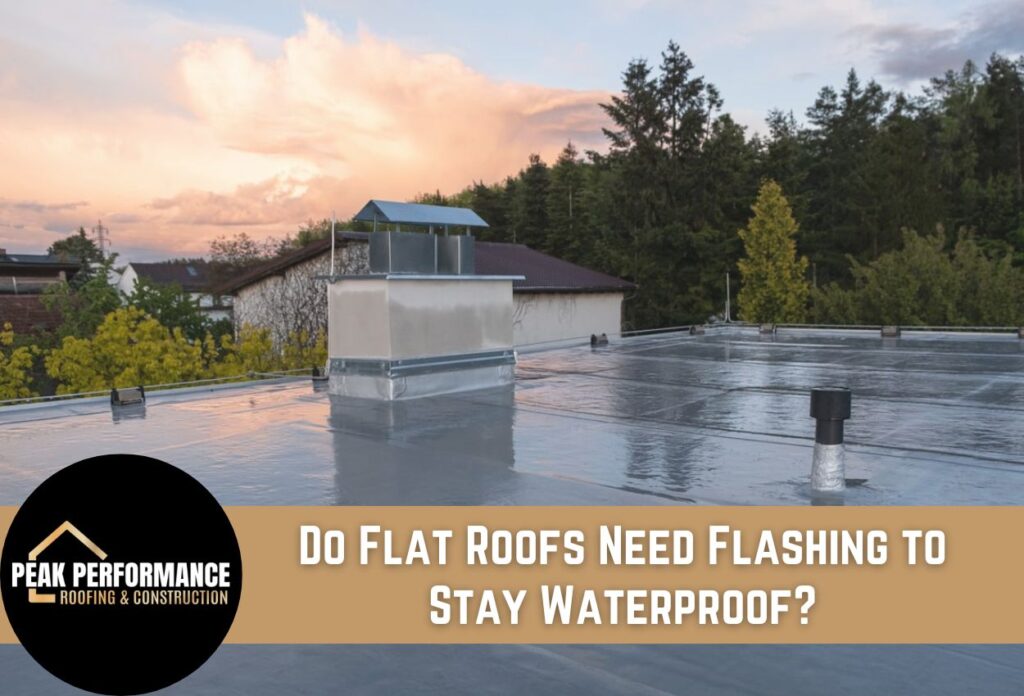
Flat roofs absolutely require flashing to stay waterproof and prevent expensive water damage. This critical roofing component seals vulnerable areas where different materials meet, such as where walls connect to the roof surface, around HVAC units, and at parapet walls. Without adequate flashing, water finds its way into these weak points and causes structural damage, mold growth, and interior flooding.
Many property owners mistakenly believe flashing might be optional for flat roofs. This dangerous misconception stems from flat roofs’ seemingly straightforward design. However, flat roofs actually face greater challenges than pitched roofs because water moves more slowly across their surfaces, creating more opportunities for leaks at unsealed joints.
Properly installed flat roofs always include comprehensive flashing systems designed specifically for the roof type. Whether dealing with TPO, EDPM, or PVC roofs, these protective barriers work alongside the main roofing material to create a complete waterproof system. The type of roof flashing used varies based on location and application, but each serves the same fundamental purpose of directing water away from potential entry points.
Critical Areas Where Flat Roof Flashing Prevents Major Water Problems
Understanding the most vulnerable areas on flat roofs helps property owners recognize where flashing provides essential protection against water infiltration. Roof edges are one of the highest-risk zones, as these perimeter areas experience constant exposure to wind-driven rain and require robust flashing systems to prevent water from seeping beneath the membrane. Any gaps through the roof surface, including vents, pipes, HVAC equipment, and electrical conduits, create natural weak points that need specialized flashing techniques to maintain watertight seals.
Transitions between different materials or elevation changes present additional challenges for flat roof waterproofing methods. Areas where walls meet the roof surface, parapet connections, and expansion joints all require carefully designed flashing systems to accommodate building movement while preventing water entry. These locations often experience thermal expansion and contraction that can compromise seals over time.
Water behavior on flat surfaces creates unique sealing challenges that distinguish these roofs from sloped alternatives. Unlike pitched roofs, where gravity quickly moves water toward gutters, flat roofs allow water to move slowly across the surface. This extended contact time increases pressure on seals and flashing systems, making proper installation crucial for preventing leaks. Quality roof flashing, whether TPO, PVC, or metal, must withstand prolonged water exposure while maintaining flexible, watertight connections at these critical junction points.
Different Flashing Materials That Work Best for Flat Roofs
The flashing material chosen significantly impacts the performance of flat roofs over time. Traditional metal flashing options, including aluminum and galvanized steel, offer proven durability for flat roof installations. Aluminum flashing resists corrosion exceptionally well and maintains flexibility in extreme temperatures, making it ideal for Oklahoma’s variable climate. Steel flashing provides superior strength and puncture resistance, with properly maintained installations lasting decades when protected with appropriate coatings.
Modern membrane flashing solutions are the latest advancement in flat roof leak prevention. TPO roof flashing installation utilizes thermoplastic materials that heat-weld directly to TPO roofing membranes, creating seamless waterproof barriers. This integration eliminates potential failure points between different materials and provides superior adhesion compared to mechanical fastening methods. PVC roof flashing offers similar benefits with enhanced chemical resistance and ultraviolet stability.
These contemporary membrane flashing systems integrate seamlessly with modern roofing materials because they are identical to the roof membrane itself. The compatibility between membrane flashing and roofing materials creates stronger, more durable seals than traditional methods. When properly installed, these types of roof flashing expand and contract uniformly with the roof system, reducing stress concentrations that commonly cause failures in mixed-material applications. The result is enhanced waterproofing performance that maintains integrity throughout the roof system’s service life.
Professional Installation Techniques for Long-Lasting Flat Roof Flashing
The first step in professional flat roof flashing installation is surface preparation to ensure long-term performance. Contractors must clean all surfaces completely, removing debris, oils, and moisture that could compromise bonding between flashing materials and the roof substrate. Surface primers specifically designed for the chosen membrane type create enhanced adhesion, which is particularly critical for TPO and PVC roofs.
Securing methods vary significantly depending on the flashing material and roof membrane type. Heat welding represents the gold standard for thermoplastic membrane installations, creating molecular bonds between flashing and roofing materials that eliminate potential separation points. Mechanical fastening with appropriate plates and screws provides reliable attachment for metal flashing systems, while adhesive applications work best for specific membrane combinations. Professional contractors understand which securing methods optimize performance for different types of roof flashing.
Quality control throughout the installation ensures flashing systems will effectively prevent water infiltration for decades. Experienced contractors perform seam testing using specialized equipment that detects microscopic gaps in welded joints before problems develop. Flood testing of completed installations confirms the effectiveness of flat roof waterproofing methods by subjecting critical areas to controlled water exposure. These comprehensive tests identify potential weaknesses that could compromise flat roofs, allowing corrections before the installation is considered complete.
Warning Signs Your Flat Roof Flashing Needs Immediate Attention
Recognizing early warning signs of flashing failure enables property owners to address problems before they escalate into expensive structural damage. Visual inspection of flashing systems should occur regularly, focusing on areas where different materials connect and around roof penetrations. Visible cracks in flashing materials indicate deterioration that compromises their effectiveness, while separation between flashing and adjacent surfaces creates pathways for water infiltration.
Corrosion on metal flashing components appears as rust stains, pitting, or white chalky deposits that weaken the material’s structural integrity. Membrane flashing may show signs of UV damage through color fading, surface chalking, or brittleness that reduces flexibility. Loose or missing fasteners around flashing perimeters allow wind uplift and create leaks, requiring immediate professional attention to prevent system failure.
Interior warning signs often provide the first indication of compromised flashing performance. Water stains on ceilings or walls near roof edges and vents suggest flashing breaches that allow moisture infiltration. Mold growth in these areas indicates ongoing moisture problems that worsen without proper repairs. Peeling paint, soft ceiling materials, or visible water damage typically signal advanced flashing failure requiring comprehensive evaluation by roofing professionals.
These interior symptoms develop gradually as flat roof leak prevention systems deteriorate, making regular inspections essential for maintaining effective waterproofing throughout the roof system’s service life.
Maintenance Strategies to Extend Your Flat Roof Flashing’s Lifespan
Implementing a consistent maintenance routine dramatically extends the service life of flat roof flashing. Inspections should occur twice annually, often recommended in spring and fall, allowing property owners to identify potential issues before they compromise the roof system. These inspections focus on flashing connections, membrane conditions, and drainage areas where debris commonly accumulates and accelerates deterioration.
Simple cleaning techniques prevent debris buildup that causes premature flashing failure. Removing leaves, dirt, and organic matter from flashing joints eliminates moisture retention that leads to material degradation. Gentle pressure washing with appropriate cleaning solutions removes stubborn deposits without damaging sensitive membrane surfaces. However, property owners should avoid chemicals or abrasive cleaning methods that could compromise the roof’s integrity.
Preventive treatments and protective coatings can enhance flashing longevity when applied according to manufacturer specifications. UV-resistant coatings protect exposed flashing materials from Oklahoma’s intense sunlight, preventing cracking and brittleness that compromise sealing effectiveness. Elastomeric sealants applied to vulnerable joints provide additional protection against thermal movement and weather exposure. These measures work seamlessly with existing flat roof waterproofing methods to prevent leaks and extensive damage.
Professional maintenance programs ensure proper application of protective treatments while monitoring the roof flashing throughout its service life, extending its durability and effectiveness.
Choosing the Right Roofing Professional for Flat Roof Flashing Projects
Selecting qualified roofing professionals for flat roof flashing work requires evaluating specific credentials and experience with membrane roofing systems. Contractors should possess current manufacturer certifications for the specific roofing materials involved, whether TPO, PVC, or another membrane. These certifications demonstrate proven competency with specialized installation techniques and ensure access to manufacturer warranties that protect your investment.
Licensing requirements vary by state, but legitimate contractors maintain proper business licenses, insurance coverage, and bonding appropriate for commercial roofing work. Workers’ compensation insurance protects property owners from liability, while general liability coverage addresses potential property damage during installation. Established contractors typically carry higher coverage limits that reflect their commitment to professional standards and financial responsibility.
Experience with flat roofs distinguishes qualified professionals from general contractors who may lack specialized knowledge of membrane systems. Contractors should have extensive experience with the specific types of roof flashing required for the project, proper surface preparation, adhesion techniques, and sealing procedures that ensure effective flat roof leak prevention.
Asking questions helps evaluate contractor qualifications and their approach to the project. Property owners should inquire about recent projects involving similar roofing systems, available references from commercial clients, and specific warranty terms covering both materials and workmanship. Understanding the contractor’s approach to quality control testing and post-installation inspection reveals their commitment to delivering reliable waterproofing performance that protects the building and your investment long-term.
Keep Your Flat Roof in Top Shape with Peak Performance Roofing & Construction
As your local roofing experts, Peak Performance Roofing & Construction understands the critical role flashing plays in maintaining the integrity of your flat roof. Flashing is not just an optional add-on — it’s a fundamental component that protects your property from water damage by sealing the most vulnerable parts of your roof. Whether it’s the edges, vent pipes, or transitions, proper flashing installation is key to preventing leaks and extending the lifespan of your roof.
If you’ve noticed any signs of wear or if it’s time for a routine check-up, don’t hesitate to contact us. Our skilled team is ready to provide top-notch flashing installation and maintenance services. Call today at (918) 694-1483 to ensure your flat roof remains in peak condition!
Related Articles
-
 April 8, 2026What Is the Wind Rating for a Flat Roof?Not sure what wind rating your flat roof needs? Learn how it protects your property and keeps you code-compliant, get expert guidance now.
 -
 July 21, 2025Are Modified Bitumen Roofs Waterproof? The Guide to Roof ProtectionAre modified bitumen roofs waterproof? See how they protect commercial buildings and get tips for proper installation and maintenance.
 -
 September 14, 2025Best Drainage System for a Flat Roof: Interior vs. Exterior SolutionsDealing with flat roof water damage? Explore top drainage options like interior drains, scuppers, and siphonic systems.
Protect Your Home with Expert Roofing
Don’t wait for leaks or storm damage to cause costly repairs. Our experienced roofing team provides fast, reliable service, high-quality materials, and lasting results. Ensure your home stays safe, secure, and looking great—contact us today for a free estimate.