 (918) 694-1483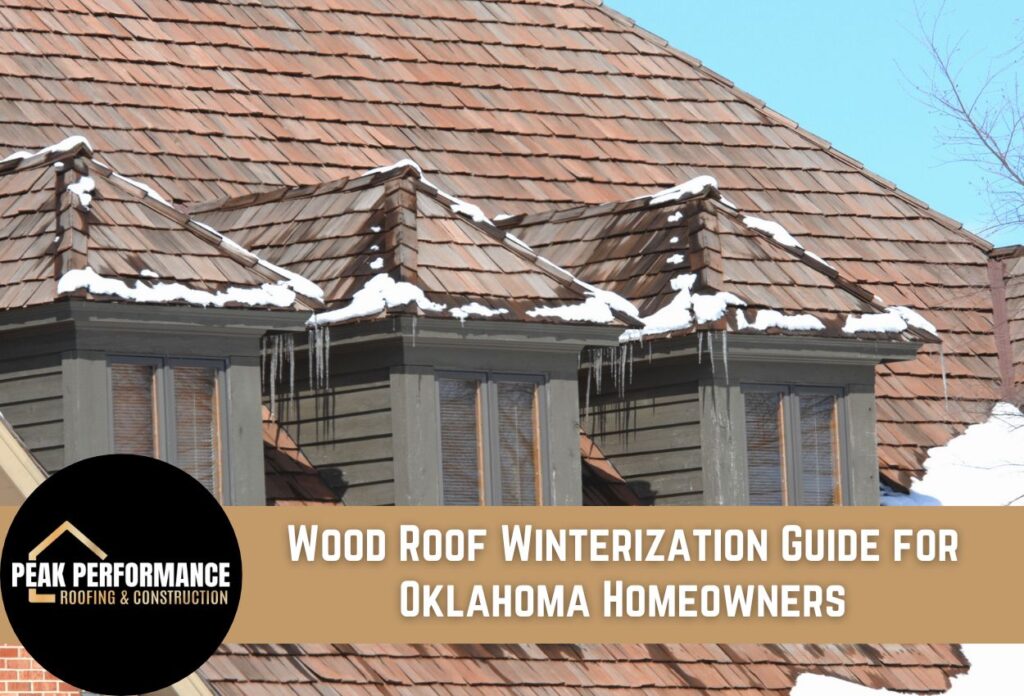

Wood roofs often face severe challenges when winter weather arrives. Temperature swings cause wood shingles and shakes, which are typically made of cedar, to expand and contract repeatedly, creating cracks and splits that allow moisture to seep into the material. Snow accumulation adds significant weight, while ice dams force water under roofing materials. These conditions create the perfect environment for rot, decay, and structural damage that can compromise your entire roofing system.
Cedar roof cold-weather maintenance becomes critical as freezing temperatures approach. Without proper wood roof winterization, small issues that could have been easily prevented can worsen quickly.
Winter roof inspections for wood roofing systems often reveal problems before they become disasters. Loose or damaged materials need immediate attention, while clogged gutters and poor ventilation create moisture buildup that accelerates wood deterioration. Protecting wood shingles from winter damage starts with understanding how cold weather affects natural roofing materials.
Seasonal wood roof care tips focus on preparation rather than reaction. Simple maintenance tasks performed before winter arrives can save homeowners thousands in repair costs. Proper winterization extends roof life, maintains structural integrity, and provides peace of mind throughout the harshest weather conditions.
Pre-Winter Inspection Checklist for Wood Shingles and Shakes
A thorough pre-winter inspection is the first step in wood roof winterization. Start by examining each section of the roof systematically, looking for loose or damaged shingles that could lead to leaks down the line. Check for curled edges, split wood, or missing pieces that need to be replaced before freezing temperatures arrive.
Pay close attention to areas where different roof planes meet, around chimneys, and near gutters, where ice dams commonly form. These vulnerable spots require extra scrutiny during pre-winter roof inspections. Look for dark staining or discoloration that indicates moisture problems, as wet wood becomes especially susceptible to freeze-thaw damage.
Early warning signs of structural weakness include sagging areas, soft spots when walking on the roof, and visible fungal growth between shingles. Protecting wood shingles from winter damage means addressing these issues as soon as possible rather than waiting until spring. Wood shake roof moisture prevention starts with identifying problem areas where water pools or drainage appears inadequate.
Pre-winter maintenance also includes checking flashing around vents and pipes, and ensuring proper ventilation in attic spaces. Seasonal wood roof care tips usually include a pre-winter assessment, as small problems discovered now prevent major repairs later when winter weather makes roof work difficult and dangerous.
Cleaning and Debris Removal Strategies
Effective cleaning is a crucial component of wood roof winterization, as accumulated debris creates ideal conditions for moisture retention and eventual wood rot. Leaves, twigs, and organic matter that collect between wood shakes or shingles trap water against the surface, preventing proper drying and creating perfect breeding grounds for decay-causing organisms during winter.
Remove all loose debris using a soft-bristled broom or leaf blower, working from the ridge down to avoid driving materials under shingles. Pay particular attention to valleys and areas where roof planes intersect, as these spots collect the most debris. Wood roofs require gentle cleaning techniques that protect the surface while removing harmful organic buildup.
Gutter and drainage system maintenance plays an equally important role in protecting wood shingles from winter damage. Clear all gutters and downspouts of leaves, seed pods, and accumulated sediment that can cause water backup. When gutters overflow, water spills onto wood roofing materials, where it can freeze, creating ice dams that force moisture under the roof and accelerate deterioration.
Inspect drainage pathways to ensure water flows away from the structure rather than pooling near the foundation. Wood shake roof moisture prevention includes maintaining clean gutters that channel water efficiently during winter thaws. These seasonal wood roof care tips prevent expensive damage by addressing moisture problems before they compromise the roofing system.
Moisture Prevention and Ventilation Solutions
Attic ventilation stands as the most critical defense against moisture damage in wood roof systems. Without adequate air circulation, warm indoor air rises and creates condensation when it meets cold wood shakes or shingles, leading to rot from beneath the surface. Installing ridge vents paired with soffit vents creates natural airflow that prevents this damaging moisture buildup throughout the winter months.
Wood roofs require balanced ventilation that removes excess humidity while maintaining stable temperatures. Too little ventilation allows condensation to form on the underside of wood, while excessive airflow can create ice dam conditions. A professional assessment ensures ventilation systems match the specific requirements of wood roofing materials and local climate conditions.
Sealing air leaks in the attic prevents warm, moist air from reaching cold roof surfaces where condensation occurs. Focus on areas around plumbing vents, electrical conduits, and HVAC equipment where gaps commonly develop. Preventing moisture damage to wood roofs involves careful sealing that blocks unwanted air movement without restricting necessary ventilation.
Strategic sealing techniques protect wood shingles from winter damage by controlling moisture while maintaining healthy air circulation. Use appropriate sealants that remain flexible in cold temperatures and allow wood to expand naturally. Wood roofs benefit from a balance between moisture control and ventilation, as both elements work together to preserve these roofing systems through harsh winter conditions.
Protective Treatments and Coatings for Wood Roofs
Wood preservatives and water-repellent treatments provide essential protection for wood shakes and shingles facing harsh winter conditions. These specialized coatings seep into the wood fibers, creating barriers against moisture infiltration while allowing the natural material to breathe properly. Quality preservatives contain fungicides that prevent rot and decay, extending the lifespan of wood roofing materials significantly.
Water-repellent treatments form protective shields that cause moisture to bead and roll off rather than soaking into the wood surface. Unlike waterproof coatings that can trap harmful vapors, these breathable treatments allow natural wood movement while preventing moisture damage. Wood roofs benefit greatly from these protective applications, as treated wood resists freeze-thaw cycles more effectively.
Application timing is crucial for optimal results in wood roof winterization projects. Apply treatments during dry periods when temperatures remain above 50 degrees Fahrenheit, allowing proper curing before winter weather arrives. Most protective coatings require 24 to 48 hours of dry conditions to be fully effective.
Professional application ensures even coverage and allows the preservative treatments to seep into the wood. Spray applications work well for large areas, while brush techniques provide better control around detailed sections. Protective coatings generally require reapplication every few years, depending on exposure and local climate conditions affecting the treated surfaces.
Emergency Winter Maintenance and Damage Response
Winter storms can cause immediate damage to wood roofing systems that requires prompt attention to prevent structural compromise. Safe snow removal techniques protect wood shingles from impact damage while addressing dangerous accumulation that creates structural overload. Heavy snow can exceed design limits and cause catastrophic roof collapse if not properly managed.
Use plastic snow rakes with extendable handles to remove snow from ground level, avoiding dangerous ladder work during icy conditions. Work systematically from the eaves upward, removing small sections at a time to prevent sudden load shifts that could damage wood shakes. Cedar roof cold-weather maintenance includes monitoring snow depth and taking action when accumulation exceeds the roof’s weight capacity. Along with snow, ice dams create immediate threats to wood roofing systems. When ice blocks normal drainage, water backs up under shingles and causes rapid deterioration of wood materials.
Professional roofing contractors should handle emergency repairs involving structural damage, extensive leaks, or situations requiring roof access during dangerous conditions. Protecting wood shingles from winter damage sometimes means recognizing when temporary measures suffice until professional help arrives. Quick response strategies prevent minor storm damage from causing structural problems that threaten the entire roofing system.
Spring Assessment and Long-Term Wood Roof Care
Spring inspections are just as important as pre-winter assessment and reveal the true impact of freezing weather on wood roofing systems and establish priorities for maintaining optimal performance. After months of freeze-thaw cycles, snow, and moisture exposure, wood shakes and shingles require a careful evaluation to identify damage that may have occurred despite winter preparation efforts. This post-winter assessment guides repair decisions and prevents small issues from developing into major structural problems.
Begin spring evaluations by examining areas that experienced the heaviest winter stress, including valleys, eaves, and sections with southern exposure where temperature fluctuations were most severe. Look for new splits, loose shingles, or displacement caused by ice expansion. Maintenance efforts may have prevented major damage, but smaller issues often emerge as temperatures stabilize and wood materials adjust to seasonal changes.
Document findings, photograph problem areas, and list damage based on severity and potential for continued deterioration. Wood shake roof moisture prevention continues beyond winter months, as spring rains can exploit weaknesses created during cold weather. Address urgent repairs immediately while scheduling less critical maintenance for optimal weather conditions.
Homeowners can also create comprehensive maintenance schedules that build on successful wood roof winterization practices throughout all seasons. Regular inspections, cleaning routines, and protective treatments preserve wood roofs year-round, ensuring homes are protected against weather-related damage regardless of seasonal conditions.
Protect Your Investment with Peak Performance Roofing & Construction
As the cold season approaches, ensuring your wood roof is prepared can save you from expensive repairs and extend the lifespan of your roof. At Peak Performance Roofing & Construction, we specialize in wood roof winterization to protect your home from the harsh elements. Don’t wait for the first snowfall to discover leaks or damage. Take action now by scheduling a comprehensive pre-winter inspection with our expert team.
Our services include detailed inspections to identify potential problems, effective moisture prevention strategies, and the application of high-quality protective treatments and coatings designed for wood roofs. We understand the unique challenges that wood shingles and shakes face during winter, and we are here to ensure your roof maintains its integrity and beauty throughout the season.
To ensure your peace of mind this winter, call Peak Performance Roofing & Construction at (918) 694-1483 and book your wood roof winterization service. Protect your investment and secure your home with the help of our experienced professionals.