 (918) 694-1483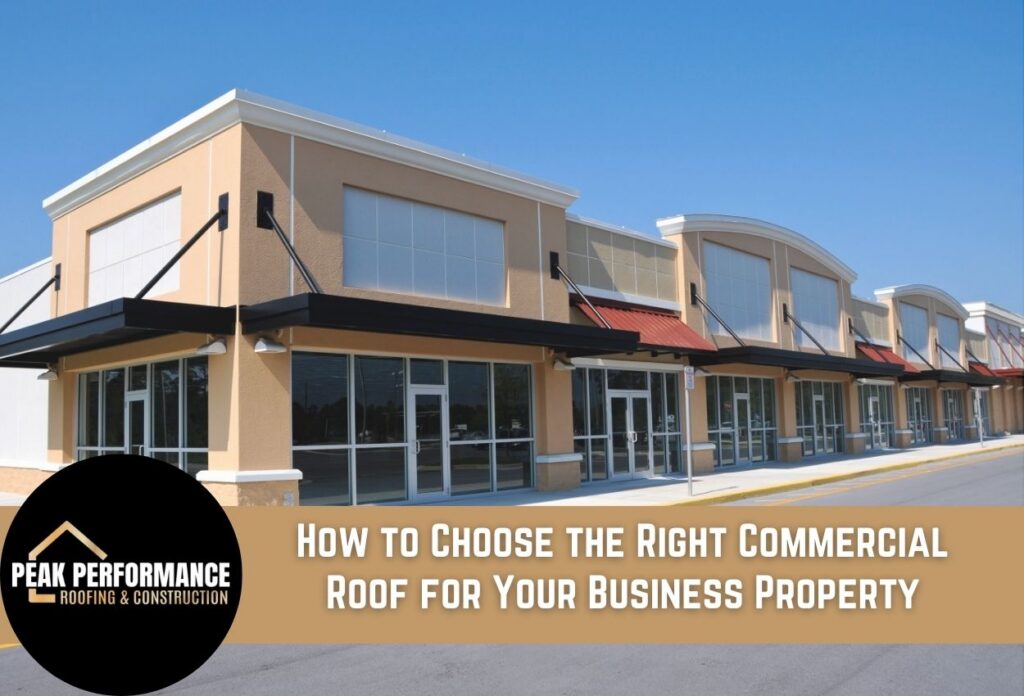
Selecting the appropriate commercial roofing system represents one of the most significant decisions property owners face when constructing or renovating business facilities. The choice between flat roof and pitched roof designs, various commercial roofing materials, and energy-efficient roofing systems directly impacts operational costs, building performance, and long-term property value.
Commercial roof selection involves evaluating multiple important factors that extend beyond initial installation considerations. Building structure, local climate conditions, intended use, and commercial roof maintenance requirements all influence which roofing system will deliver the best possible performance. Property owners must also consider how different materials and designs affect energy consumption, weather resistance, and compliance with local building codes.
Understanding these interconnected factors helps business owners make informed decisions that protect their investment while supporting daily operations. Regular commercial roof inspection schedules and maintenance capabilities vary significantly between roofing types, making system compatibility with operational needs essential for successful long-term performance.
Evaluating Your Building Structure and Roofing Requirements
Understanding your building’s structural capacity forms the foundation for selecting appropriate commercial roofing materials. Older structures may require reinforcement to support heavier systems, while newer buildings often accommodate various roofing options. The existing framework determines whether flat roof or pitched roof configurations are feasible, as load-bearing calculations vary significantly between these designs.
Building age and architectural style also influence material compatibility. Structures built decades ago may lack the insulation requirements that modern energy-efficient roofing systems require. A thorough commercial roof inspection reveals structural limitations that could affect installation methods and material choices.
Local climate conditions and building codes establish additional parameters for roofing decisions. Wind ratings, snow, and temperature extremes determine which materials will perform reliably in specific environments. Municipal regulations often dictate fire ratings, drainage requirements, and energy efficiency standards that narrow available options.
Commercial roof maintenance requirements should align with your facility’s operational capabilities. Some systems need frequent inspections and specialized care, while others offer lower maintenance alternatives. Evaluating these structural and regulatory factors ensures your chosen roofing system integrates successfully with your property’s existing infrastructure and local compliance requirements.
Flat Roofing Systems vs. Pitched Roof Designs for Commercial Properties
Flat roofing systems offer distinct advantages for commercial applications, particularly in installation flexibility and space utilization. These systems accommodate HVAC equipment placement, rooftop gardens, and future building expansions more easily than sloped alternatives. However, drainage considerations become important with flat roof designs, requiring proper slope engineering and reliable drainage systems to prevent water accumulation and structural damage.
Pitched roof designs excel in natural water runoff capabilities and typically demonstrate superior longevity compared to flat alternatives. The sloped configuration naturally directs moisture away from the building, reducing maintenance needs and extending system lifespan. Traditional pitched roofs also provide curb appeal that complements certain architectural styles and neighborhood requirements.
When evaluating flat roof and pitched roof options, consider your building’s intended use and expansion plans. Flat systems work well for properties requiring rooftop access or equipment placement, while pitched designs suit buildings prioritizing minimal maintenance and traditional appearance. Energy-efficient roofing systems are available in both configurations, though installation methods and commercial roof maintenance requirements differ significantly between these approaches. The decision ultimately depends on balancing functional needs with structural capabilities and long-term operational goals.
Commercial Roofing Material Options and Their Performance Characteristics
TPO roofing delivers excellent heat reflection properties and chemical resistance, making it suitable for buildings with HVAC equipment or industrial operations. This single-ply membrane installs efficiently over various roof decks and typically lasts 20 to 30 years with proper maintenance. EPDM rubber roofing offers superior flexibility and weather resistance, particularly in extreme temperature conditions, though it requires careful seam installation to prevent leaks.
Modified bitumen systems combine traditional asphalt benefits with modern polymer technology, creating durable surfaces that handle thermal expansion effectively. These multi-layer systems perform well in harsh weather conditions and accommodate heavy foot traffic. Metal roofing systems provide exceptional longevity and fire resistance, often lasting 30 to 50 years while supporting energy-efficient roofing systems through reflective coatings and insulation options.
Material selection depends on specific building requirements and environmental conditions. TPO works well for standard commercial applications, while EPDM suits buildings experiencing significant temperature fluctuations. Modified bitumen handles high-traffic situations effectively, and metal systems excel where durability and fire resistance are priorities. Each material requires different commercial roof maintenance requirements and installation techniques, influencing both initial costs and long-term performance expectations for your commercial roofing materials investment.
Energy Efficiency and Environmental Impact Considerations
Modern commercial roofing materials incorporate advanced technology that significantly reduces energy consumption and operational expenses. Cool roofing systems utilize highly reflective surfaces that deflect solar radiation, maintaining lower surface temperatures and reducing cooling needs throughout hot seasons. These reflective materials can decrease temperatures on the surface of a roof by 50 to 60 degrees compared to traditional dark surfaces, translating directly into reduced HVAC workloads and utility expenses.
Proper insulation integration enhances energy performance regardless of chosen roofing materials. High-performance insulation systems create thermal barriers that maintain consistent interior temperatures while reducing heating and cooling requirements. Energy-efficient roofing systems often combine reflective membranes with advanced insulation layers, creating thorough thermal management solutions that improve building performance year-round.
Sustainable roofing choices provide measurable business benefits beyond immediate energy savings. Federal and state tax incentives reward property owners who install qualifying energy-efficient systems, offering substantial financial returns on initial investments. Enhanced property values result from improved energy ratings and reduced operational costs, making sustainable roofing an attractive long-term investment that supports both environmental responsibility and business profitability through demonstrated utility savings and increased market appeal.
Professional Roof Inspection and Assessment Process
A commercial roof inspection provides the foundation for making informed roofing decisions. Professional roofing contractors conduct detailed evaluations that examine structural integrity, drainage systems, existing material conditions, and potential installation challenges. This assessment process identifies important factors that determine which commercial roofing materials will perform the best on your specific building.
During the evaluation, contractors analyze load-bearing capacity, existing insulation performance, and structural modifications needed for different roofing systems. They examine current drainage patterns, identify potential problem areas, and assess whether flat roof or pitched roof configurations suit your building’s architecture. Professional inspectors also evaluate existing ventilation systems and determine compatibility with energy-efficient roofing systems.
The inspection reveals hidden issues that influence material selection and installation methods. Contractors identify structural weaknesses, moisture damage, or code compliance concerns that affect the scale of the project and its timeline. They assess commercial roof maintenance requirements for different materials based on your building’s specific conditions and operational needs.
This thorough evaluation ensures your new roofing system addresses existing challenges while meeting performance expectations. Professional assessment eliminates guesswork and prevents expensive mistakes by identifying the most suitable materials and installation approaches for your property’s unique requirements and structural characteristics.
Maintenance Requirements and Long-Term Investment Planning
Different commercial roofing materials present varying maintenance requirements that significantly influence long-term operational costs and system performance. TPO and EPDM single-ply membranes typically require semi-annual inspections focusing on the seam’s structural integrity and surface damage, while modified bitumen systems need more frequent attention to prevent aggregate loss and membrane deterioration. Metal roofing systems require periodic fastener tightening and coating renewal, though they generally require less frequent interventions than membrane alternatives.
Understanding total ownership costs enables better decision-making when selecting commercial roofing materials. Flat roofing systems often require more intensive drainage maintenance and membrane repairs compared to pitched alternatives, though their accessibility simplifies inspection procedures. Energy-efficient roofing systems may incorporate additional components like reflective coatings that require periodic renewal to maintain performance benefits.
Replacement timelines vary considerably across roofing types, affecting long-term financial planning. EPDM systems typically last 20 to 25 years, while properly maintained metal roofs can perform effectively for 40 to 50 years. Commercial roof inspection schedules should align with manufacturer recommendations and local climate conditions to maximize system lifespan. Planning maintenance budgets around these timelines prevents unexpected expenses and ensures continuous building protection while optimizing your roofing investment returns.
Expert Commercial Roofing Solutions with Peak Performance Roofing & Construction
Choosing the right commercial roof impacts not only the appearance of your property but also its long-term viability and efficiency. With numerous factors to consider, from the type of materials to the design that best suits your building’s structural needs and local climate, making an informed decision is important. Peak Performance Roofing & Construction specializes in guiding you through these choices to ensure your commercial property is equipped with a roof that offers durability, cost-efficiency, and compliance with all regulatory standards.
Don’t compromise on quality when it comes to protecting your investment. Call Peak Performance Roofing & Construction today at (918) 694-1483 to schedule a roof inspection and consultation tailored to your specific needs. Let us help you make the best roofing choice that aligns with your business goals and budget.
Frequently Asked Questions
Got questions about your roof? We’ve got answers. From maintenance tips to insurance claims and repair timelines, our FAQ section covers the most common concerns homeowners have. Get informed and make confident decisions about protecting your home.
People Also Ask
How can I minimize disruption to my business operations when installing a new commercial roof?
Coordinate closely with your contractor on a phased installation schedule, or off-hours work to maintain business continuity. Discuss access points, material staging, and noise mitigation strategies upfront to reduce impact on customers and staff during your commercial roof project.
Beyond material lifespan, what kind of warranty should I look for when selecting a commercial roofing system?
Seek both a manufacturer’s material warranty and a contractor’s workmanship warranty. Manufacturer warranties cover defects in commercial roofing materials, while workmanship warranties protect against installation errors. Review coverage terms, transferability, and exclusion clauses carefully.
How does a building’s commercial use affect roof selection?
Different building uses create different roofing needs. Manufacturing facilities often require durable, chemical-resistant materials that handle heavy equipment and provide proper ventilation. Retail properties may prioritize visually appealing roofs or energy-efficient systems to improve customer comfort and reduce utility costs.
Related Articles
-
 August 30, 2025Pitched Roof vs. Flat Roof: Pros and Cons for Your HomeDeciding between a pitched or flat roof? Compare durability, drainage, and costs to choose the best option for your home.
 -
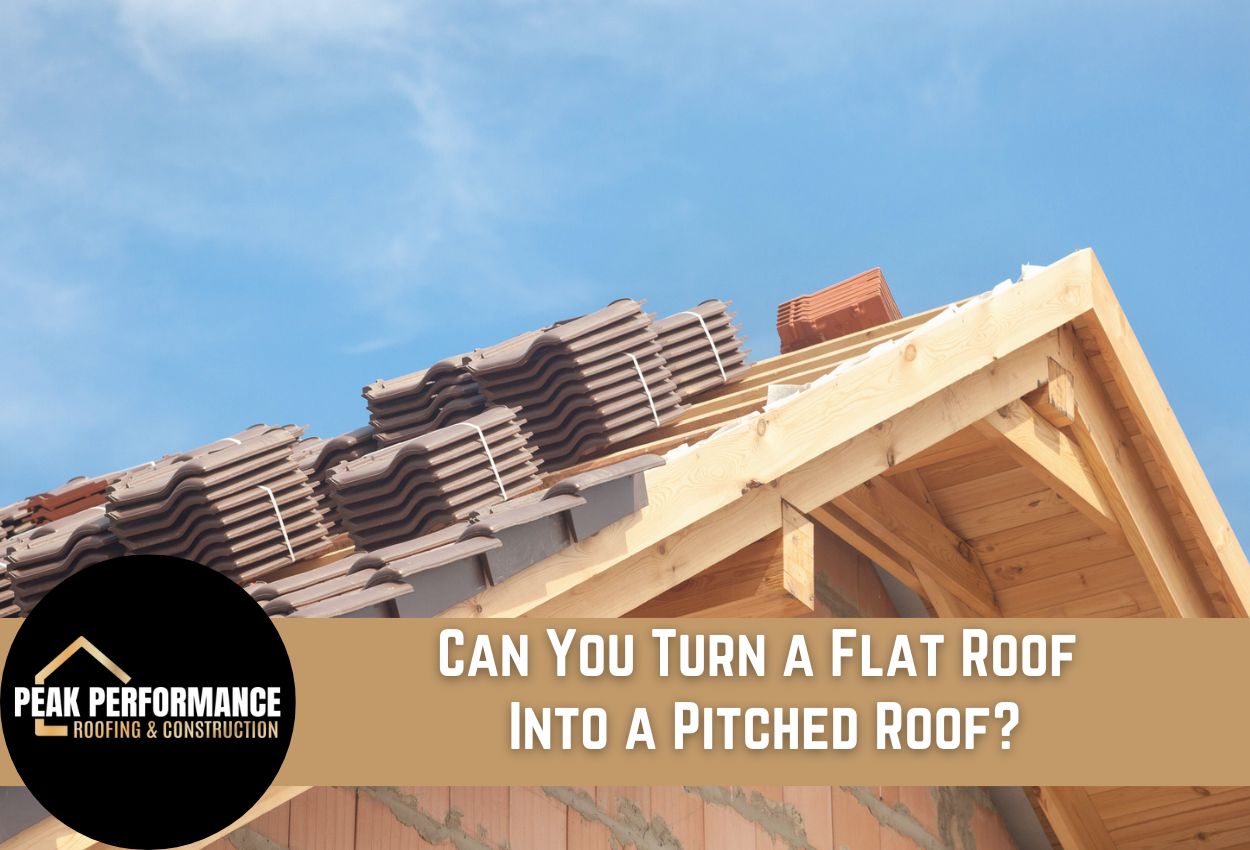 October 6, 2025Can You Turn a Flat Roof Into a Pitched Roof?Having trouble with your flat roof? Find out if converting it to a pitched roof is possible plus the benefits, costs.
 -
 October 16, 2025Complete Guide to Commercial Roof Tear-Off: Everything You Need to Know Before Starting Your ProjectRemoving your old commercial roof? Learn the tear-off process, costs, and why it beats a roof-over.
Protect Your Home with Expert Roofing
Don’t wait for leaks or storm damage to cause costly repairs. Our experienced roofing team provides fast, reliable service, high-quality materials, and lasting results. Ensure your home stays safe, secure, and looking great—contact us today for a free estimate.