
 (918) 694-1483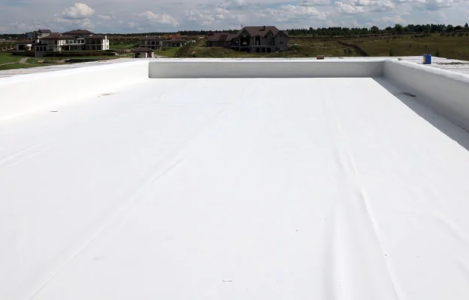
Trusted by Tulsa homeowners and recognized for our dedication to quality and customer service.
Performance Peaked, Every Time!
Performance Peaked, Every Time!
Northeast Oklahoma is not easy on commercial roofing. In Kiefer, TPO membranes deal with summer heat that pushes well into the 90s, hailstorms that can punch through or tear a membrane without warning, and repeated temperature swings between seasons that put constant stress on seams and adhesive bonds. Over time, that expansion and contraction causes seams to separate and membranes to weaken at the edges, especially on flat and low-slope roofs where water has nowhere to drain quickly. Left unchecked, ponding water works its way into those vulnerable spots and turns a minor seam issue into something far more serious for your building.
Professional TPO roof repair addresses those problems at the source. Patches are heat-welded at temperatures between 1,000 and 1,100 degrees Fahrenheit, creating a bond as strong as the original membrane. Drainage is checked, flashings are inspected, and every repair is finished with UV-resistant edge sealant to hold up against Oklahoma's intense sun. Peak Performance Roofing & Construction works with property owners and managers in Kiefer who need repairs done the first time correctly, without shortcuts that fail before the next storm season arrives.
A TPO roof repair requires a clear understanding of the membrane's condition before any repair method is selected. Peak Performance Roofing & Construction evaluates the damaged areas, explains the recommended approach, and completes the work with a process designed to restore the roof properly.
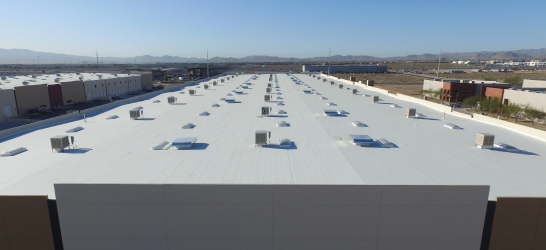
Flat and low-slope commercial roofs in Kiefer deal with a range of problems that tend to show up in predictable ways. Knowing what causes each issue helps you understand what a repair is actually fixing and why certain details matter for long-term results.
| Issue | Common Cause | Repair Priority |
|---|---|---|
| Seam separations | Repeated temperature swings causing expansion and contraction over time | High: open seams allow water to reach the underlayment quickly |
| Membrane punctures | Foot traffic near rooftop HVAC units and equipment access points | High: reinforced walkway pads help prevent repeat damage |
| Ponding water | Blocked or undersized drains on flat roof surfaces | High: drainage correction is part of the repair, not a separate job |
| Chemical contamination | Oil or industrial residue that prevents direct adhesion | Moderate: requires a sacrificial TPO layer over the affected area |
| Flashing failures | UV exposure and edge stress from Oklahoma's intense summer sun | Moderate: left unaddressed, flashing gaps become active leak points |
Each of these issues has a specific fix, and skipping any one of them during a repair visit tends to bring you back to the same roof sooner than you should be. Getting all active problems addressed in a single visit protects your facility and helps your TPO membrane reach its full service life.
Every patch we apply is cut with rounded corners rather than square ones. Square-cut patches are more likely to snag, lift, and peel over time, especially during Kiefer's hailstorms and high winds, and rounded edges distribute stress more evenly across the repair.
On flat commercial roofs where technicians regularly access HVAC equipment and rooftop systems, we install reinforced walkway pads in high-traffic zones to protect the membrane from future foot traffic damage. This is one of the most overlooked parts of a complete TPO repair, and skipping it often leads to new punctures in the same areas within a season or 2.
When your primary drain is undersized or prone to blocking, trapped water creates a bathtub effect on the surface of the roof that accelerates membrane wear. Where needed, we address this by recommending or installing a secondary drain at a higher level to keep water moving off the roof even when the primary drain is compromised.
Oil and industrial residue on a roof surface prevent patches from bonding correctly, and trying to adhere directly over contaminated areas leads to early repair failure. In those situations, we apply a sacrificial sheet of TPO with a sand barrier over the affected zone, giving the new membrane a clean, stable surface to bond to instead of fighting the contamination underneath.
Oklahoma's weather conditions are hard to predict and even harder on flat roofing systems. Fall tends to be the best window for TPO repairs in this area, with cooler temperatures that allow membrane patches to bond and seal correctly before winter arrives. Getting repairs done before the colder months also means fewer surprises when rain and temperature drops return. Your facility and everything inside it depend on a roof that holds up between service visits, and a properly repaired TPO membrane goes a long way toward reducing long-term costs and keeping operations running without interruption.
Peak Performance Roofing & Construction is ready to help property owners and managers in Kiefer get their TPO roofs back in reliable shape. If you've noticed signs of damage or just want a professional set of eyes on your roof before the season changes, reaching out is a simple first step. We're here to answer questions and help you figure out the right path forward for your property.
Got questions about your roof? We’ve got answers. From maintenance tips to insurance claims and repair timelines, our FAQ section covers the most common concerns homeowners have. Get informed and make confident decisions about protecting your home.
Yes, and it matters more than most building owners realize. TPO membrane patches need moderate temperatures to bond and cure correctly, and Kiefer's summer heat or mid-winter cold can both interfere with that process. The window between late September and early November tends to produce the most reliable results because temperatures stay in a range that allows the repair to set without fighting the weather conditions. Repairs done outside that window can still hold, but they require more attention to material handling and timing during the job.
A reputable contractor should be able to tell you honestly whether the damage you have is isolated or part of a pattern that points to broader membrane failure. If the issues are concentrated around seams, flashings, or high-traffic zones near equipment, targeted repairs typically hold well for years. If the membrane itself is brittle, heavily cracked across large areas, or showing widespread adhesive failure from years of Oklahoma's UV exposure and temperature changes, a repair may buy you time but replacement becomes the more practical path forward.
It can, and this is one of the most common reasons repairs do not last as long as expected. Standing water puts constant pressure on seams and patch edges, and over time it works into any weak spot left behind during the repair. That is why addressing the drainage issue is just as important as fixing the damaged membrane itself. A repair that does not correct the underlying drainage problem is essentially fighting the same battle again the next time heavy rain hits Kiefer.
Call now for a free inspection and estimate—let's protect your home or business today!
Trusted by Tulsa homeowners and recognized for our dedication to quality and customer service.
Our 24/7 support and emergency response mean your needs come first, every step of the way.
Get In Touch Today
