 (918) 694-1483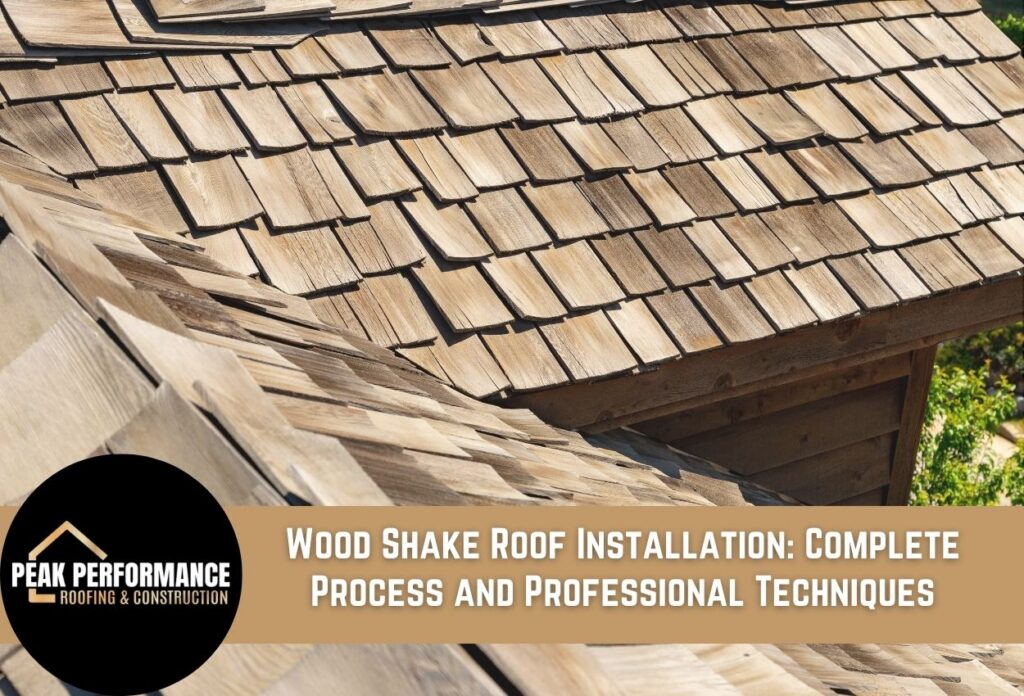
Key Points:
- Wood shake roof installation is a multi-step process requiring specialized tools, materials, and precise techniques for proper underlayment, shake placement, and weatherproofing.
- Unlike shingles, wood shake installation requires unique methods to manage natural variations, ensure consistent spacing, and accommodate expansion for durability.
- Meticulous preparation, quality control throughout, and specialized handling of roof features like hips and valleys are important for a long-lasting wood shake roof.
Wood shake roof installation requires precise techniques and specialized knowledge to ensure long-lasting performance and weather protection. The installation process for wood shake roofs involves multiple important steps, from proper underlayment preparation to strategic shake placement and weatherproofing measures. Cedar shake roofing installation differs significantly from standard asphalt shingle work, requiring specific tools, materials, and expertise to achieve the best possible results.
Understanding wood shake roof installation steps becomes essential for property owners considering this premium roofing option. The natural variations in wood shakes create unique installation challenges that affect spacing, alignment, and weather resistance. Wood shingle installation techniques must account for expansion and contraction while maintaining proper water drainage patterns. Shake roof underlayment requirements exceed standard roofing specifications due to the dimensional nature of wood materials and their interaction with moisture and temperature fluctuations. Success depends on using appropriate wood roof installation tools and following proven methods that accommodate the organic characteristics of cedar and other wood roofing materials.
Essential Tools and Materials for Wood Shake Installation
Proper wood shake roof installation requires specialized professional-grade tools that differ significantly from standard roofing equipment. Cedar shake roofing installation requires precision instruments, including shake gauges for consistent exposure measurements, specialized roofing hatchets with adjustable exposure guides, and pneumatic nailers designed specifically for wood materials. Wood roof installation tools needed also include chalk lines for accurate alignment, utility knives with replaceable blades for trimming, and safety equipment such as non-slip boots and harnesses essential for rooftop work.
Material specifications play an important role in successful wood shingle installation techniques. Premium cedar shakes should meet specific grade requirements, with clear grades recommended for highly visible roof sections and standard grades suitable for less prominent areas. Shake roof underlayment requirements include synthetic or felt materials with appropriate weight ratings to handle moisture protection. Fasteners must be corrosion-resistant, typically stainless steel or hot-dipped galvanized nails with proper length specifications. Flashing components require compatible metals that prevent galvanic corrosion while providing long-term weather protection around gaps and roof transitions.
Preparing Your Roof Structure and Underlayment System
Roof deck inspection forms the foundation of successful wood shake roof installation steps, requiring a thorough structural assessment before material placement begins. The deck surface must remain clean, dry, and free from protruding nails or debris that could interfere with proper shake alignment. Structural engineers often recommend evaluating load-bearing capacity since cedar shake roofing installation adds considerable weight compared to lighter roofing materials. Proper ventilation setup includes installing ridge vents, soffit vents, and adequate air circulation pathways that prevent moisture accumulation beneath wood shakes.
Shake roof underlayment requirements exceed standard roofing specifications due to the wood’s natural expansion and contraction properties. Installing synthetic underlayment or high-grade felt paper creates essential moisture barriers while allowing necessary vapor transmission. Wood shingle installation techniques require overlapping underlayment seams by a minimum of 6 inches with proper fastening patterns every 12 inches along edges. Wood roof installation tools needed for underlayment work include staple guns, utility knives, and measuring devices to ensure precise coverage and proper overlap specifications throughout the entire surface of the roof.
Starting Your Installation with Proper Foundation Courses
Establishing accurate starter courses forms the cornerstone of professional wood shake roof installation, determining the alignment and weatherproofing success of the entire system. Cedar shake roofing installation begins with precise measurements at eaves and rake edges, ensuring proper overhang dimensions that protect the underlying roof structure while maintaining curb appeal. Wood shingle installation techniques require close and careful attention to starter course positioning, as these initial rows establish the foundation for all subsequent shake placement and exposure calculations.
Important spacing and alignment methods for foundation courses involve strategic chalk line placement across the entire surface of the roof, creating reference points that guide consistent shake positioning throughout the installation process. The wood shake roof installation steps for starter courses include measuring and marking exposure lines at predetermined intervals, typically ranging from 7 ½ to 10 inches, depending on shake length and manufacturer specifications. Proper overhang measurements at eaves should extend approximately 1½ inches beyond the fascia board, while rake edge overhangs require ¾ inch extensions. Wood roof installation tools needed for accurate foundation work include measuring tapes, chalk lines, and spacing gauges that ensure uniform exposure calculations and straight installation lines that prevent leaking problems.
Specialized Installation Techniques for Roof Features
Hip and ridge installations represent the toughest aspect of a wood shake roof installation, requiring specialized cap shakes and precise cutting techniques to achieve weathertight seals. Cedar shake roofing installation at roof peaks needs custom-fitted ridge caps that accommodate the natural irregularities of wood materials while preventing leaks. Professional contractors utilize specialized cutting methods to create interlocking joints at hip intersections, ensuring proper overlap patterns that maintain structural integrity and weather resistance.
Valley installation procedures require meticulous attention to flashing integration and water flow management around these vulnerable roof areas. Wood shingle installation techniques for valleys involve installing metal flashing systems before shake placement, creating channels that direct water away fromthe roof deck materials. The installation process accommodates natural wood expansion through strategic spacing and flexible fastening methods. Shake roof underlayment requirements in valley areas include additional waterproof membrane layers that extend beyond standard coverage areas. Wood roof installation tools needed for specialized features include metal snips for flashing work, specialized measuring devices for angle calculations, and cutting tools designed to maintain the shake’s structural integrity while achieving precise fits around complex roof geometries and intersection points.
Quality Control and Weather Protection Measures
Inspection checkpoints throughout wood shake roof installation provide essential quality assurance that prevents expensive repairs and ensures the best roof performance. Cedar shake roofing installation requires systematic evaluation at each stage, examining fastener placement, exposure consistency, and alignment accuracy before advancing to subsequent courses. Important inspection points include starter course positioning, mid-installation spacing verification, and final ridge cap assessments. Wood shingle installation techniques benefit from regular quality checks that identify and address installation irregularities before they compromise weather protection capabilities.
Weather considerations during wood shake roof installation steps become particularly important during Oklahoma’s volatile storm seasons, requiring temporary protection methods that secure partially completed sections against wind and precipitation. Shake roof underlayment requirements include immediate weatherproofing for any exposed areas during multi-day installation projects. Professional contractors utilize tarping systems and temporary fastening methods that protect completed work while allowing continued progress during favorable weather windows. Wood roof installation tools needed for weather protection include heavy-duty tarps, temporary fasteners, and securing devices that withstand sudden weather changes. Proper staging techniques ensure materials remain dry and installation quality stays consistent regardless of weather interruptions during the project timeline.
Final Installation Steps and Long-Term Success Factors
Completing wood shake roof installation requires meticulous finishing touches that ensure weather-tight performance and professional appearance. Cedar shake roofing installation concludes with trim work that seals all roof gaps and transitions. Wood shingle installation techniques for the final phases include installing drip edge flashing along eaves and rakes, securing all fascia board connections, and verifying proper gutter integration points. Final fastener checks become important during this stage, ensuring all shakes remain securely attached while maintaining proper expansion allowances.
Gutter integration represents an important finishing element that affects long-term roof performance and water management effectiveness. Proper spacing between shake edges and gutter systems prevents ice dam formation while allowing adequate drainage during heavy precipitation. Wood shake roof installation steps for completion include adjusting downspout positioning and verifying proper slope calculations that direct water away from foundation areas.
Post-installation maintenance recommendations help property owners preserve their investment and identify potential issues before they develop into expensive repairs. Signs of proper wood shake installation include uniform appearance, secure fastening without visible nail heads, and consistent exposure patterns across all roof sections. Professional cedar shake systems should demonstrate effective water shedding, proper ventilation airflow, and the absence of lifting or curling shake edges that indicate installation problems requiring immediate attention.
Expert Wood Shake Roof Installation by Peak Performance Roofing & Construction
If you’re planning to install a wood shake roof in Oklahoma and need professional guidance or services, Peak Performance Roofing & Construction has the expertise you require. We understand the nuances of cedar shake and wood shingle installation, ensuring your roof withstands Oklahoma’s challenging weather while enhancing your home’s curb appeal. Don’t compromise on quality; trust our skilled team to manage your roofing project from start to finish with precision and care.
Ready to start your wood shake roof installation? Call us now at (918) 694-1483 to schedule a consultation and ensure your roof is built to last with the right materials, tools, and expert techniques. Secure your home with Peak Performance Roofing & Construction, where quality meets craftsmanship.