 (918) 694-1483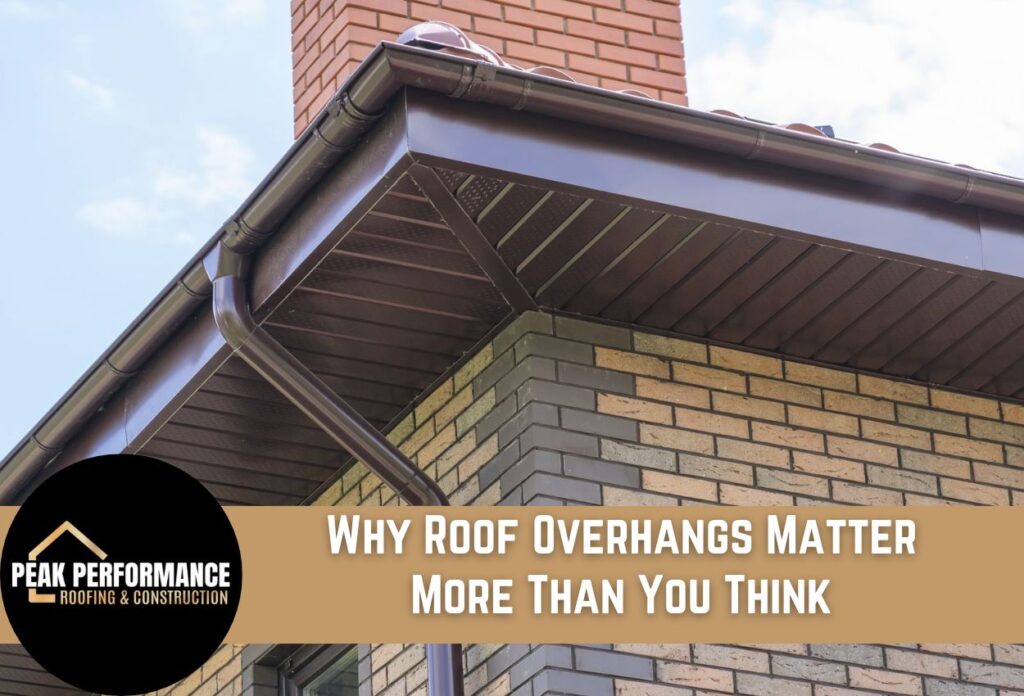
Key Points:
- Yes, roof overhangs are essential for protecting your home from water damage, foundation issues, and expensive structural deterioration.
- Beyond protection, proper roof overhangs enhance energy efficiency, extend exterior material lifespan, and significantly improve curb appeal.
- The best roof overhang length depends on design, climate, and structural needs, requiring professional assessment and adherence to building codes.
A roof absolutely should have an overhang, and the reasons go beyond basic architectural appeal. Roof overhangs are your home’s first line of defense against leaks, foundation damage, and structural deterioration that plague countless homeowners each year.
The importance of roof eaves becomes crystal clear when examining how they channel rainwater away from exterior walls and foundations. Without proper roof overhang protection, water goes directly down the siding, seeping into vulnerable joints and eventually compromising a home’s exterior structural integrity. This protection is especially important during Oklahoma’s intense thunderstorms and seasonal weather patterns.
The benefits of a roof overhang go beyond moisture control into energy efficiency territory. These architectural features create valuable shade during scorching summers while allowing winter sunlight to warm interior spaces naturally. The proper length of a roof overhang acts as a thermal barrier, reducing cooling costs and maintaining comfortable indoor temperatures year-round.
Essential Protection Benefits That Overhangs Provide for Your Home
Roof overhangs deliver important water damage prevention by directing rainfall away from your home’s foundation and exterior walls. Without adequate roof overhang protection, rainwater flows directly down the siding materials, creating leaks that lead to rot, mold, and structural damage. The proper roof overhang length ensures water lands several feet from the foundation, preventing expensive basement flooding and foundation settling issues.
Beyond moisture control, the benefits of a roof overhang include substantial UV protection for exterior materials. Direct sunlight degrades siding, paint, and trim materials rapidly, causing fading, cracking, and premature replacement needs. Overhangs create protective shadows that significantly extend the lifespan of these components.
The importance of roof eaves is clear when comparing homes with and without adequate overhangs. Properties lacking proper house roof design overhang features typically require exterior maintenance twice as frequently, while protected homes maintain their appearance and structural integrity for decades longer. These architectural elements represent essential investments in long-term property protection rather than optional design features.
Roof overhangs also contribute to improved indoor comfort by reducing direct sunlight and glare through windows, helping maintain a more stable light and temperature balance inside the home. This passive shading effect protects interior furnishings, flooring, and finishes from premature fading due to prolonged UV exposure. By limiting harsh sunlight from entering living spaces, overhangs reduce the reliance on blinds or curtains, enhancing natural ambiance without increasing cooling costs. These subtler benefits complement the core protective and energy advantages of properly designed roof overhangs.
Finding the Right Overhang Length for Your Specific Needs
Determining the proper roof overhang length requires a look at your home’s architectural style and local climate conditions. Standard overhang measurements typically range from 12 to 24 inches for most residential applications, though specific requirements vary based on structural design and environmental factors.
Traditional ranch-style homes generally benefit from 18 to 24-inch overhangs, while Colonial and craftsman designs often feature longer eaves extending 24 to 36 inches. These measurements provide the best roof overhang protection while maintaining a proportional look that complements each style.
Regional weather patterns play an important role in determining the ideal overhang depth. Areas experiencing heavy rainfall require longer overhangs to ensure adequate water diversion, while regions with intense sun exposure benefit from extended coverage for UV protection. Roof pitch significantly influences these calculations, as steeper slopes direct water further from the structure naturally.
The importance of roof eaves becomes apparent when balancing protection needs with design constraints.
Structural Considerations When Adding or Modifying Roof Overhangs
Modifying existing overhangs or adding roof overhang protection requires careful structural evaluation to ensure safe distribution. The existing framework must adequately support additional weight from extended rafters, fascia boards, and accumulated snow or debris. Professional assessment determines whether the current framing can handle increased stress or requires reinforcement through additional supports.
Load-bearing calculations become important when extending the proper roof overhang length beyond its original specifications. These modifications may require upgraded rafters, additional blocking, or supplemental support posts to maintain structural integrity.
Building code compliance remains essential for any overhang modifications in the Tulsa area, with specific requirements governing maximum projection distances and structural support methods. Permit requirements typically apply to extensions exceeding certain measurements or modifications affecting load-bearing parts of the system. Understanding these regulations prevents expensive corrections and ensures the importance of roof eaves modifications meet safety standards while delivering the intended benefits.
Design Impact and Appearance Enhancement Through Strategic Overhang Placement
Strategic roof overhang placement dramatically transforms a home’s curb appeal while delivering substantial curb appeal improvements across diverse architectural styles. Well-proportioned overhangs create balanced rooflines that can enhance a property’s value through sophisticated design elements that complement both traditional Colonial homes and sleek contemporary structures.
The importance of roof eaves is also important for the appearance of your home, as proper proportions establish visual harmony between rooflines and exterior walls. Traditional homes benefit from deeper overhangs that emphasize horizontal lines and create welcoming covered entryways, while modern designs often feature clean, minimalist overhangs that accentuate geometric forms and angular profiles.
Achieving the best visual balance requires matching the proper roof overhang length to your home’s scale and proportional relationships. Oversized overhangs overwhelm smaller structures, while inadequate projections appear disproportionate on larger homes. These roof overhang benefits translate directly into enhanced marketability and increased property values when executed thoughtfully.
A thought-out roof design should consider how shadows, lines, and proportions interact with existing architectural features to create a cohesive design that maximizes both roof overhang protection and appearance impact for lasting visual appeal.
Proper roof overhangs also help protect exterior landscaping and walkways by redirecting rainwater away from vulnerable areas. By channeling water to designated drainage zones, overhangs reduce soil erosion, prevent damage to plants, and limit puddling around entranceways or patios. These secondary benefits contribute to overall property preservation and reduce maintenance needs for outdoor features over time.
Common Overhang Problems and How to Avoid Them
Despite the benefits of a roof overhang, poorly maintained or inadequately designed overhangs can create serious problems that can compromise your home’s protection. Ice dam formation represents one of the most destructive issues, occurring when inadequate ventilation allows heat to accumulate in roof cavities.
Pest infiltration frequently occurs through gaps in fascia boards, soffit panels, or inadequate screening around overhang ventilation areas. Birds, squirrels, and insects exploit these vulnerabilities to establish nests within roof structures, causing insulation damage and creating fire hazards. Proper maintenance requires regular inspection of all overhang components to identify and seal potential entry points before infestations develop.
Ventilation problems develop when the airflow coming in from soffit vents is overlooked during construction or renovation projects. Blocked soffit vents or inadequate ridge ventilation create moisture buildup that leads to rot, mold growth, and premature shingle deterioration. Recognizing sagging fascia boards, peeling paint, or visible water stains signals that professional roofing contractor evaluation is necessary to restore proper roof overhang protection and house roof design overhang functionality.
Making the Right Decision for Your Roofing Project
Determining when roof overhangs are necessary versus situations where minimal projections might suffice depends on several critical factors specific to your property and local conditions. Homes exposed to prevailing wind-driven rain require substantial roof overhang protection to prevent leaks, while properties with extensive covered porches or other architectural features may function adequately with shorter overhangs.
Working with experienced roofing professionals ensures the best possible balance between protection requirements and design preferences while maximizing roof overhang benefits for your specific situation. Professional roofers evaluate factors including roof pitch, wall height, window placement, and regional weather patterns to recommend the proper roof overhang length that addresses your home’s unique vulnerabilities.
The importance of roof eaves becomes most apparent during severe weather when inadequate protection leads to expensive damage that proper planning could have prevented. Quality roofing contractors design roof overhang solutions that integrate seamlessly with existing architecture while delivering maximum protection against moisture infiltration, UV damage, and foundation problems. Professional installation ensures structural integrity while meeting local building codes for long-term performance and safety compliance.
Maximize Your Home’s Protection with Peak Performance Roofing & Construction
Understanding the necessity of proper roof overhangs can significantly impact the longevity and efficiency of your home. At Peak Performance Roofing & Construction, we emphasize the importance of designing and installing the right overhang length to shield your home from water damage, enhance energy efficiency, and improve overall climate control.
Don’t let inadequate roof overhangs compromise your home’s integrity. Call us today at (918) 694-1483 to discuss how we can help protect and beautify your property with expertly designed roof overhangs tailored to your home’s style and environmental demands.