 (918) 694-1483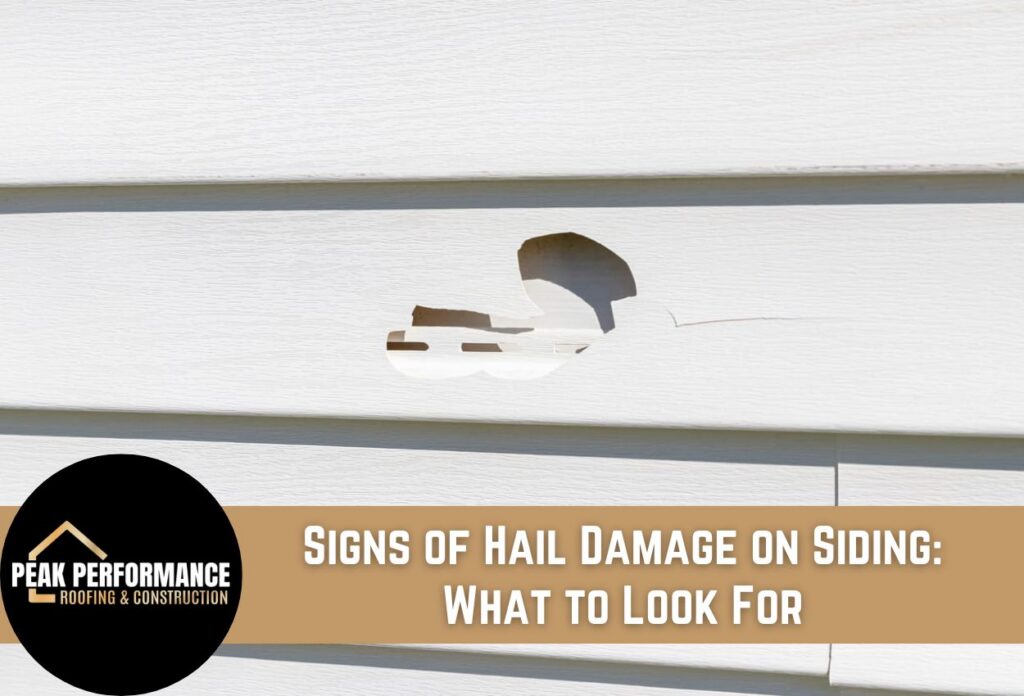

Hail damage on siding shows up as dents or divots, cracks or splits, chipped paint or coating, and circular bruising patterns, and in Tulsa, OK, where the area sees 2 to 3 significant hailstorms per year, spotting these signs fast matters. Hailstones as small as 1 inch in diameter can leave visible marks on vinyl or aluminum siding after a single storm. That means even a moderate storm can cause more damage than it appears from the ground.
Each of the four damage types looks a little different. Dents and divots leave shallow impressions in the siding surface. Cracks or splits break through the material entirely. Chipped paint or coating exposes the base layer underneath. Circular bruising patterns appear as darkened or discolored spots that follow the round shape of a hailstone.
Most Oklahoma homeowners’ insurance policies require a damage assessment within 30 days of a storm to keep a claim eligible. Waiting longer can result in a denied claim even when the damage is real. This article walks through what each type of damage looks like, which siding materials are most at risk, and what to do after a hailstorm hits.
*Please note, price ranges listed in this article may not reflect the final cost of your project. Prices are subject to change based on various factors such as local labor rates, material quality, and more. All costs established in this article are rough estimates based on average industry rates.
What Does Hail Damage Siding Look Like By Material Type?
Vinyl siding shows the most obvious hail damage, cracks and punctures appear at hailstone sizes as small as 1 inch, while fiber cement requires hailstones of at least 1.5 inches to produce visible chips or surface fractures.
| Siding Material | Damage Appearance | Minimum Hail Size to Cause Damage | Damage Visibility | Typical Repair or Replacement Threshold |
|---|---|---|---|---|
| Vinyl | Cracks, splits, punctures | 1 inch | Easy | Replace if >25% of panels are cracked or split |
| Aluminum | Small, permanent dents | 0.75 inches | Moderate | Replace if dents cover >30% of the surface area |
| Fiber Cement | Chips, surface fractures | 1.5 inches | Difficult | Replace if >30% shows chipping or cracking |
| Engineered Wood | Gouges, surface compression, paint loss | 1 inch | Moderate | Replace if leaks are found in >20% of boards |
Aluminum siding is especially prone to dents from hailstones as small as 0.75 inches, which are permanent and do not need to show moisture damage to justify replacement. Fiber cement holds up better in storms but hides damage well, so a close inspection is necessary after any storm producing hail above 1.5 inches. Homeowners with fiber-cement or engineered wood siding should have a professional inspect after every significant storm, since damage that looks minor from the street can hide fractures that allow water behind the wall.
How Can You Tell If Siding Has Hail Damage During a Self-Inspection?
A reliable self-inspection follows a specific sequence, starting with safety and ending with documentation, and should be completed within 24 to 48 hours of a storm while evidence is fresh for an insurance claim.
- Walk the perimeter first from 10 to 15 feet back: Look for obvious cracking, missing sections, or surface discoloration before getting close. This gives a baseline view of which elevations took the hardest hits.
- Move within 3 to 5 feet of each wall for close-range inspection: Dents smaller than 0.5 inches are nearly invisible from ground level but easy to spot up close. Check at least 3 separate wall elevations: front, back, and one side at a minimum.
- Use a raking light to catch shallow dents: Shine a flashlight or position yourself so daylight hours hit the surface at a low angle. This technique reveals shallow impressions that disappear under direct overhead light.
- Inspect window trim, J-channel, and downspout screens as proxy indicators: These softer materials dent more easily than siding and confirm impact severity. If the window trim shows 5 or more visible dents, the adjacent siding likely has damage too.
- Apply the 10-inch-by-10-inch test square method: Contractors and insurance inspectors count impact points within a 10-inch-by-10-inch area. Eight or more hits in that square generally qualify as functional damage under most insurance standards.
- Check all four elevations, not just the side facing the storm: Hail bounces and wind shifts direction, so damage often appears on protected-facing walls as well.
- Photograph every damaged area within 48 hours. Include a ruler or coin next to dents for scale. Insurance adjusters rely on dated photos to verify storm-related damage versus pre-existing wear.
Small dents in siding after a hailstorm are easy to miss, but missing them can cost thousands in denied claims or undetected water intrusion. If any step in this checklist raises questions, a professional siding inspection from Peak Performance Roofing & Construction can confirm what a self-inspection may not catch.
Do the Signs of Hail Damage on Siding Justify an Insurance Claim?
File an insurance claim for hail damage to siding when hailstones are measured 1 inch or larger, more than 20% of the siding surface is affected, or any evidence of water intrusion appears within 72 hours of the storm. Not every hailstorm clears that bar, but Tulsa storms frequently do. Use these five criteria to decide.
- Hailstone size at time of storm: Hailstones at or above 1 inch in diameter are the standard threshold for a viable claim. Anything smaller often produces only cosmetic damage that many policies exclude from coverage.
- Percentage of siding surface affected: Damage covering more than 20% of a wall elevation gives a strong claim basis. Scattered dents across less than 20% of the surface may only qualify as cosmetic, depending on policy language.
- Functional damage versus cosmetic only: Functional damage cracks, splits, or any breach that allows water behind the siding carries far more weight with adjusters than surface dents that leave the material intact. Document any gap, fracture, or lifted panel separately from surface-only marks.
- Age of siding at time of damage: Siding over 15 years old often receives an Actual Cash Value (ACV) payout rather than a Replacement Cost Value (RCV) payout. RCV policies typically return 25% to 40% more on siding claims than ACV policies for materials over 10 years old, a difference worth confirming before filing.
- Water intrusion evidence within 72 hours: Interior moisture, wall staining, or wet insulation found within 72 hours of the storm directly links water damage to the hailstorm and substantially strengthens the claim.
Most Oklahoma homeowners’ insurance policies require claims to be filed within 2 years of the damage. However, contractor documentation gathered within 30 days of the storm strengthens claim outcomes far more than documentation collected later. Learn more about navigating the insurance claim process and contact Peak Performance Roofing & Construction quickly after any qualifying storm to get that documentation in place.
What Does Hail-Damaged Vinyl Siding Repair Cost in Tulsa?
Hail-damaged vinyl siding repair costs in Tulsa range from $150 to $400 for a small spot repair, up to $14,000 or more for a full replacement, and material choice alone can shift that number by $4 to $10 per square foot. Vinyl siding sits at the low end, running $2 to $5 per square foot for materials, while fiber cement runs $6 to $12 per square foot. That gap matters when calculating what an insurance claim should actually cover.
| Repair Scenario | Average Material Cost | Average Labor Cost (Tulsa) | Total Estimated Cost Range |
|---|---|---|---|
| Spot Repair (1 to 5 panels) | $50 to $150 | $100 to $250 | $150 to $400 |
| Partial Replacement (one wall elevation) | $300 to $900 | $500 to $1,600 | $800 to $2,500 |
| Full Replacement (whole home) | $2,500 to $7,000 | $2,500 to $7,000 | $5,000 to $14,000 |
Delaying repairs by more than 60 to 90 days after storm damage is an expensive mistake. Water intrusion behind loose or cracked panels can lead to wall remediation costs ranging from $1,200 to $4,500 on top of whatever the siding repair itself costs. Acting fast after a storm is not just about protecting a claim, it is about avoiding a second, larger bill that insurance may not cover. Get an inspection scheduled quickly, document everything, and know what your siding material costs before talking to an adjuster.
Does Filing a Hail Damage Claim Affect Your Homeowner’s Insurance Rate?
In Oklahoma, a single weather-related claim typically raises homeowner’s insurance premiums by 9% to 12% at renewal, but that increase is often worth absorbing when the claim value is high enough. On a $400 to $600 annual premium increase, a $5,000 hail damage claim breaks even within the first year and puts money back in a homeowner’s pocket over time. The math shifts when the claim is small.
Oklahoma insurers in hail-prone areas commonly apply a separate wind and hail deductible ranging from 2% to 5% of the home’s insured value. On a $250,000 home, that means $2,500 to $5,000 comes out of pocket before coverage applies at all. Filing a claim for damage worth less than that deductible raises rates without paying out a single dollar for a loss in every direction.
Getting 2 to 3 contractor estimates before filing helps confirm whether the damage value actually clears the deductible threshold, which protects homeowners from submitting a claim that costs more in rate increases than it ever pays back. If repair costs fall at or near the deductible amount, paying out of pocket is often the smarter financial move.
Peak Performance Roofing & Construction provides documented estimates and offers financing options that give homeowners the numbers they need before making that call.
Ready to Assess Your Siding? Get a Free Hail Damage Inspection in Tulsa
Professional documentation gathered within 30 days of a storm is the single most effective tool for a successful insurance claim, and Peak Performance Roofing & Construction completes hail damage inspections in Tulsa within 24 to 48 hours of scheduling. To request a storm damage inspection, contact our team promptly so we can document potential damage and help keep your claim evidence fresh and your options open.
Don’t let the filing window close before you know what your siding is worth. One call starts the process.
Schedule your free inspection today.
Not ready to schedule? Learn more about hail damage roof and siding repair.