 (918) 694-1483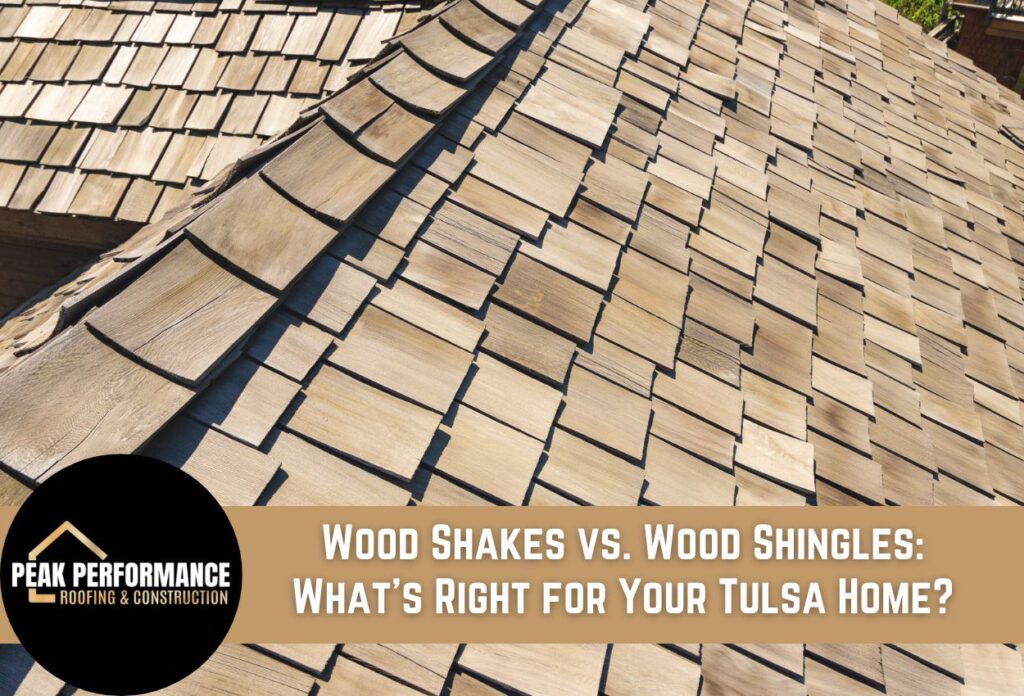

The distinct profile of a wood roof creates an unmistakable charm that has adorned Tulsa homes for generations. When considering natural wood roofing options, homeowners often find themselves at a crossroads between wood shakes and wood shingles. Both materials offer authentic beauty, but they differ in appearance, performance, and maintenance requirements.
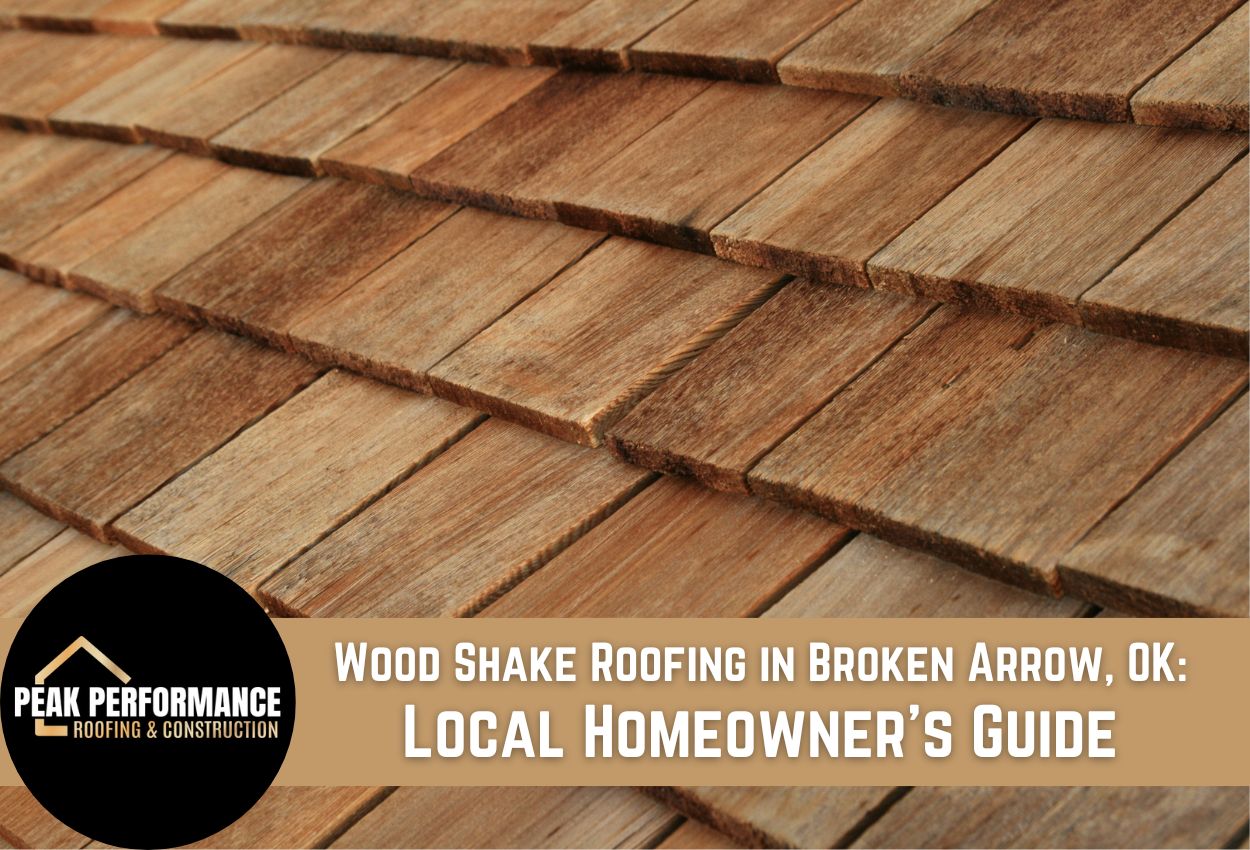
Wood shakes deliver a rustic, textured look with their hand-split surface and thicker dimensions. In contrast, wood shingles present a more uniform, smooth appearance thanks to precise machine cutting. This fundamental difference affects not just the visual appeal of your Tulsa home but also how the roof performs against Oklahoma’s challenging weather patterns.
For Tulsa residents, the choice between these traditional wood roofing materials is significant. Our region’s hot summers, occasional hailstorms, and seasonal temperature fluctuations demand roofing materials that can withstand environmental stress while maintaining their beauty. Cedar roof installations, in particular, have become popular among homeowners looking for a balance of curb appeal and durability.
Understanding the distinctions between these natural wood options helps ensure your roofing investment aligns with your home’s architecture and your expectations for longevity. The right choice delivers decades of protection while enhancing your property’s curb appeal and its market value.
Key Takeaways: Wood Shakes vs. Wood Shingles
- Lifespan Advantage: Wood shakes last 30-50 years with proper maintenance, while wood shingles provide 20-30 years—making shakes the better long-term investment despite higher upfront costs.
- Material Cost Difference: Expect to pay $8-$16 per square foot for wood shakes versus $6-$10 for shingles, with shakes costing 50-100% more initially.
- Maintenance Schedule: Both wood roofing options require professional inspections twice yearly and cleaning every 3-5 years at $300-$600 per visit to prevent decay and moss growth.
- Best Style Match: Choose wood shakes for historic or craftsman homes needing rustic texture; select shingles for Colonial or Cape Cod styles requiring clean, uniform lines.
Understanding the Fundamental Differences Between Wood Shakes and Shingles
Wood shakes and wood shingles represent two distinct approaches to natural wood roofing. The differences begin with how these materials are created and extend to their visual impact on your home.
Wood shakes are hand-split from logs, resulting in a textured, rustic appearance with varying thicknesses and irregular surfaces. Wood shakes typically range from 1/2 to 3/4 inch thick, while wood shingles are thinner at 3/8 to 1/2 inch. This traditional production method gives each shake unique character, creating a roof with dimensional shadow lines and an organic, weathered look that many Tulsa homeowners prefer for historical or craftsman-style homes.
In contrast, wood shingles are precisely sawn on both sides, producing uniform thickness and smooth surfaces. This manufacturing process creates a more refined, consistent appearance ideal for Colonial, Cape Cod, or Victorian-style homes throughout the Tulsa area. The clean lines of wood shingles offer a more tailored aesthetic while still providing natural beauty.
The visual difference between these traditional wood roofing materials is clear: shakes create deep, irregular shadow lines with a three-dimensional quality, while shingles lay flatter with a cleaner profile. This distinction influences not just curb appeal but also how each material sheds water, handles Oklahoma’s weather extremes, and ages over time. When selecting between these natural wood roofing options, Tulsa homeowners should consider both immediate appearance and long-term performance.
| Feature | Wood Shakes | Wood Shingles |
|---|---|---|
| Manufacturing | Hand-split or sawn, irregular texture | Machine-sawn, uniform appearance |
| Thickness | 1/2 to 3/4 inch | 3/8 to 1/2 inch |
| Lifespan | 30-50 years | 20-30 years |
| Material Cost | $8-$16 per sq ft | $6-$10 per sq ft |
| Installation Complexity | Higher (hand-split requires skilled labor) | Moderate (uniform pieces, easier placement) |
| Maintenance Frequency | Inspections twice yearly; cleaning every 3-5 years | Inspections twice yearly; cleaning every 3-5 years |
| Weather Resistance | Superior (thicker profile, natural expansion/contraction) | Good (thinner, more vulnerable to splitting) |
| Best For | Historic homes, rustic aesthetics, maximum durability | Craftsman styles, budget-conscious projects, cleaner lines |
Weather Resistance: How Each Wood Roofing Option Performs in Oklahoma’s Climate
Oklahoma’s climate can be challenging for wood roofing materials. Both wood shakes and shingles withstand Tulsa’s weather extremes when correctly installed and maintained. During severe thunderstorms, these traditional wood roofing materials can withstand high winds due to their lightweight nature and flexible installation methods that allow for natural expansion and contraction. Cedar shakes expand slightly in humid conditions and contract during drier periods without negatively influencing the roof’s integrity.
Hail resistance is a critical consideration for Tulsa homeowners. The thicker profile of wood shakes provides slightly better impact resistance against the region’s occasional hailstorms. However, both wood roofing types have natural give that helps them absorb impact better than rigid roofing materials. While not immune to hail damage, this inherent flexibility allows wood roofs to weather storms that might damage other roofing systems. Cedar’s natural compounds resist moisture, decay, and insect damage, providing additional protection beyond just the material’s thickness.
Beyond storm protection, wood roofs offer excellent natural insulation properties. The cellular structure of wood creates tiny air pockets that improve thermal efficiency. Cedar shakes provide up to twice the insulating capability of asphalt shingles. This natural insulation helps Tulsa homes stay cooler during scorching summer months and warmer during winter cold snaps. Both shakes and shingles provide this benefit, contributing to potential energy savings throughout Oklahoma’s seasonal temperature swings.
Installation Considerations for Wood Roofing Materials
The installation process for wood shakes differ from shingles. Wood shakes have more complex installation methods due to their irregular thickness and texture. Proper installation includes using high-quality underlayment between each course of shakes, creating a water barrier that helps protect against Oklahoma’s heavy downpours.
Wood shingles, with their uniform dimensions, also require a strong underlayment and precise spacing to allow for expansion in Tulsa’s fluctuating temperatures. Both wood roof installation types need proper ventilation systems to prevent moisture accumulation and extend their lifespan. This is especially important in our region, where humidity levels can accelerate wood deterioration if proper airflow isn’t maintained beneath the roofing material.
Professional expertise makes a substantial difference in the performance of wood roofs over time. Experienced Tulsa roofers understand the nailing patterns for each traditional wood roofing material and use corrosion-resistant fasteners. Correct overhang at eaves and precise ridge cap installation significantly impact how these natural wood roofing options perform during Oklahoma’s severe weather.
The care taken during installation directly affects the lifespan of wood roofs. Correctly installed wood shakes can last 30 to 50 years in Tulsa, while properly placed wood shingles typically provide 20 to 30 years of protection. This difference in longevity often justifies the additional installation complexity for homeowners seeking maximum durability from their wood roofing investment.
Maintenance Requirements and Long-Term Care
Maintaining wood roofing materials in Tulsa requires dedicated attention to preserve both beauty and functionality. Wood shakes need more frequent maintenance than shingles due to their textured surface, which can trap debris and moisture. For optimal performance, shake roofs should be professionally inspected twice yearly and cleaned every 3 to 5 years to remove leaves, pine needles, and other debris that may accumulate between the thick, irregular pieces. Routine maintenance visits typically range from $300-$600.
Wood shingles, with their smoother surface, generally require less intensive maintenance but still benefit from regular care. Both roofing types need periodic treatments to prevent moss and algae growth, particularly on north-facing slopes where Tulsa’s occasional humidity creates ideal conditions for biological growth. For cedar roofs, natural oils provide initial protection, but as these oils deplete over time, specialized sealants need to be applied every few years to extend roof life.
| Maintenance Task | Frequency | Typical Cost | Purpose |
|---|---|---|---|
| Professional Inspection | Twice yearly | Included in cleaning visit | Identify damage, moss, or wear early |
| Professional Cleaning | Every 3-5 years | $300-$600 | Remove debris, moss, and prevent decay |
| Protective Treatment Application | Every 3-5 years | Varies by product | Preserve color, enhance weather resistance |
| Minor Repairs (split/damaged pieces) | As needed | $200-$500 | Prevent water infiltration and extend lifespan |
Preventive maintenance makes a significant difference in the longevity of wood roofing systems. Removing overhanging branches prevents physical damage and reduces debris accumulation. After severe storms, Tulsa homeowners should check for displaced or damaged shakes or shingles and address them immediately to prevent water infiltration. Professional roof cleanings using appropriate low-pressure methods preserve the wood’s integrity while removing harmful buildup.
With proper care, cedar shakes and shingles develop a distinguished silver-gray patina over time that many homeowners find appealing. This natural aging process doesn’t compromise performance when accompanied by consistent maintenance. Regular professional roof inspections help identify issues before they become serious problems, ensuring your natural wood roof continues protecting your Tulsa home for decades.
Lifespan and Value: Comparing Long-Term Investment Potential
When comparing the lifespan of wood roofing options, properly installed and maintained wood shakes generally outperform wood shingles in Tulsa’s climate. Premium shakes can last 30 to 50 years when given appropriate care, while wood shingles typically provide 20 to 30 years of service. This difference stems from the thicker profile of shakes, which provides additional weather protection against Oklahoma’s intense sun exposure and occasional severe storms.
Your investment in a wood roof is about more than just durability. Wood roofing materials of both types typically increase a home’s resale value, particularly for historical properties or custom homes where architectural authenticity matters. Natural wood roofing options often enhance curb appeal and create a distinctive look that can command premium pricing when selling a home.
Insurance considerations also play into the overall value equation. Insurers may charge higher premiums for wood roofs due to perceived fire concerns. Homeowners should consult with their insurance agent about specific policy implications before making a final decision.
The long-term value of traditional wood roofing materials extends beyond financial considerations. The natural aging process of cedar creates a distinguished silvery patina that many homeowners find attractive over time. This aesthetic evolution, combined with proper maintenance, ensures your investment in a wood roof continues to deliver both practical protection and visual appeal throughout its service life.
At the end of their lifespan, wood shakes can be recycled into mulch, composted, or repurposed for landscaping applications. This environmental benefit adds to the overall value proposition for homeowners concerned about sustainability and responsible disposal of roofing materials.
Deciding Between Wood Shakes vs. Wood Shingles in Tulsa
When choosing between wood shakes and shingles, consider several factors specific to your Tulsa home. The architectural style of your house should heavily influence your decision. Historic or craftsman homes often pair beautifully with the rustic texture of wood shakes, while Colonial or Cape Cod styles frequently complement the clean lines of wood shingles.
Your neighborhood context matters too. Some Tulsa historic districts or homeowners associations have specific guidelines regarding roofing materials. Check local regulations before proceeding, as certain areas may require traditional wood roofing materials that match the neighborhood’s character.
Consider your property’s exposure to elements. Homes with significant tree coverage may benefit from wood shingles’ smoother surface, which sheds debris more easily. Conversely, properties in open areas exposed to Tulsa’s occasional severe weather might warrant the thicker protection of wood shakes.
Budget planning should account for both initial wood roof installation costs and long-term maintenance requirements. Wood shakes often cost 50-100% more than standard shingles, with material costs ranging from $8-$16 per square foot compared to $6-$10 for shingles. While wood shakes typically cost more upfront, their extended lifespan may offer better value over time for many Tulsa homeowners.
When looking for qualified contractors, seek specialists with experience installing natural wood roofing options in Tulsa specifically. Request local references, verify their licenses, and choose professionals who understand the specific challenges of Oklahoma’s climate and how it affects wood roofing materials. Look for Forest Stewardship Council (FSC) certified cedar products when discussing material options. The right contractor can guide you through material selection and provide ongoing maintenance to maximize your investment.
Choose Peak Performance Roofing & Construction for Wood Shake Roof Installation in Tulsa
Deciding between wood shakes and wood shingles for your Tulsa home is a significant choice that impacts not only the aesthetic appeal of your residence but also its resilience in the face of Oklahoma’s harsh weather conditions. At Peak Performance Roofing & Construction, we specialize in wood shakes and provide solutions that align with your home’s style and your personal preferences.
Our expert team guarantees high-quality installation and long-term durability, making us the trusted choice in Tulsa.
Don’t settle for less when it comes to your home. Call us today at (918) 694-1483 to discuss your roofing needs and how we can help bring your vision to life. Experience the difference with Peak Performance Roofing & Construction.
Can I install wood shakes or shingles on a low-slope roof?
Wood roofing materials perform best on roofs with a minimum pitch of 4:12 or steeper. Lower slopes don’t allow water to shed quickly enough, increasing the risk of moisture infiltration and premature decay. Steeper pitches enhance drainage and extend the lifespan of your wood roof in Tulsa’s climate.
How do fire ratings affect my wood roofing choices in Oklahoma?
Untreated wood shakes and shingles typically receive Class C fire ratings, while pressure-treated options can achieve Class A ratings. Some municipalities and insurance providers require fire-retardant treatments for wood roofs. Check local building codes and discuss treatment options with your contractor to ensure compliance and safety.
What wood species work best for shakes and shingles in Tulsa?
Western red cedar remains the most popular choice due to its natural oils that resist decay, insects, and moisture. Other options include redwood and cypress, which also contain natural preservatives. Cedar’s dimensional stability and resistance to warping make it particularly well-suited for Oklahoma’s temperature fluctuations and humidity variations.
Will moss growth damage my wood roof, and how can I prevent it?
Moss retains moisture against wood surfaces, accelerating decay and reducing lifespan. Trim overhanging branches to increase sunlight exposure, ensure proper roof ventilation, and consider installing zinc or copper strips along the ridge. These metals release ions during rain that naturally inhibit moss and algae growth on north-facing slopes.
Can wood shakes or shingles be installed over existing roofing materials?
Wood roofing typically requires removal of existing materials to ensure proper ventilation and substrate condition. Installing over old roofing can trap moisture, create uneven surfaces, and void warranties. A clean deck allows for proper inspection, necessary repairs, and correct installation of underlayment critical for wood roof performance.