 (918) 694-1483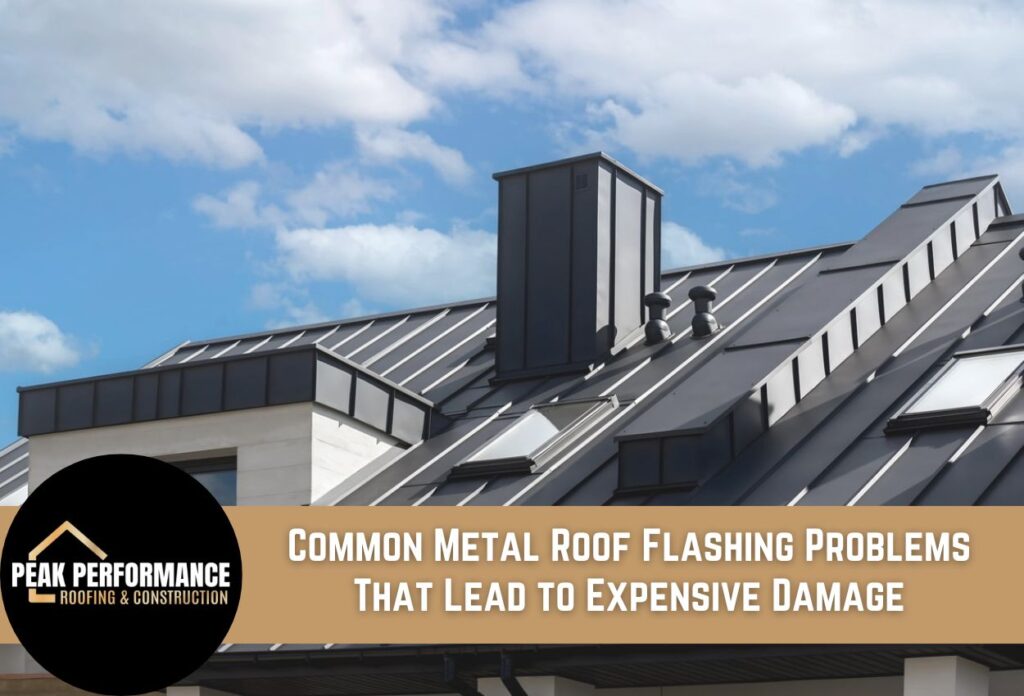
Metal roof flashing is an important barrier that prevents water from seeping into vulnerable areas where your roof meets walls, chimneys, vents, and other structural elements. When this protective seal fails, even minor flashing issues can spiral into expensive repairs that threaten your home’s structural integrity and safety.
Issues with metal flashing on a metal roof typically develop gradually, making it easy to overlook until significant damage occurs. Corroded roof flashing, improper installation, and normal wear from weather exposure create weak points that allow leaks to form. Once water finds its way past compromised flashing, it can damage insulation, rot wooden framing, and promote dangerous mold growth throughout your home.
Roof flashing leaks often start small but expand rapidly during heavy rains and seasonal temperature changes. What begins as a minor drip can quickly turn into major water damage affecting multiple rooms, ceilings, and walls. The hidden nature of many flashing problems means homeowners frequently discover issues only after extensive damage has already occurred.
Warning Signs Your Metal Roof Flashing Needs Immediate Attention
Recognizing early warning signs of problems with metal flashing on a metal roof can save homeowners from water damage and expensive repairs. Several visual indicators signal that metal roof flashing repair may be necessary before major issues develop.
From ground level, homeowners should watch for rust stains running down exterior walls, particularly around chimneys, vent pipes, and roof valleys. These orange or brown streaks indicate corroded roof flashing that no longer provides adequate protection. Visible gaps between flashing and roofing materials, loose or bent flashing sections, and missing sealant around flashing edges also require immediate attention.
Interior warning signs often appear before obvious exterior damage becomes visible. Water stains on ceilings or walls near roof gaps suggest that the leaks have already formed. Musty odors in attic spaces or upper rooms frequently indicate moisture buildup from failing flashing. Peeling or bubbling paint near ceiling corners, especially after storms, points to water infiltration through compromised flashing systems.
Attic inspections reveal additional symptoms of flashing problems. Damp insulation, water droplets on rafters, or dark staining on wooden structural elements signal that the flashing requires professional evaluation.
Why Metal Roof Flashing Fails and What Causes These Issues
Most flashing failures come from either weather exposure or installation issues. Understanding these root causes helps homeowners identify potential issues before they result in significant water damage and expensive repairs.
Oklahoma’s extreme weather conditions accelerate metal flashing problems through rapid temperature fluctuations that cause expansion and contraction cycles. This constant movements stresses flashing materials and create gaps where water can get in. Severe thunderstorms with high winds lift flashing edges, while hail impacts can dent or crack protective barriers. Our state’s temperature swings, from freezing winters to scorching summers, cause different materials to expand at varying rates, breaking seals between flashing and roofing components.
Installation mistakes create immediate vulnerabilities that lead to roof flashing leaks:
- Poor material selection, such as mixing incompatible metals, causes galvanic corrosion that rapidly deteriorates flashing systems.
- Inadequate fastening allows wind uplift, while insufficient overlap between flashing sections creates water entry points.
Many corroded roof flashing problems result from using substandard materials or improper sealant application during initial installation.
Material incompatibility accelerates deterioration when different metals contact each other in the presence of moisture. This galvanic reaction causes rapid corrosion that compromises the flashing’s structural integrity. Professional metal roof maintenance addresses these issues through proper material selection and installation techniques that prevent premature failure and extend the lifespan of the flashing.
The Hidden Dangers of Ignoring Flashing Problems on Your Metal Roof
Ignoring any warning signs can create serious issues that go beyond simple roof leaks. When damaged flashing allows leaks to form, moisture gets deep into your home’s structure, causing damage that often remains hidden until extensive (and expensive) repairs become necessary.
Once insulation becomes damp, it can no longer regulate temperature effectively and stays wet long enough for mold and mildew to form. The moisture doesn’t stop there, as water can gradually work itself into the surrounding wood, softening and weakening structural components as they remain exposed. Over time, this hidden deterioration compromises the areas that supports your roof and upper floors.
Secondary problems develop rapidly when flashing issues persist without proper repairs. Compromised insulation forces heating and cooling systems to work harder, dramatically increasing energy costs throughout the year. During the winter, inadequate insulation and air leaks from corroded roof flashing contribute to ice dam formation along the edge of the roof, creating additional water backup that adds to the existing damage.
The structural implications of ignored flashing problems can be severe. Rotten wooden framing loses load-bearing capacity, potentially creating safety hazards and requiring expensive structural reinforcement. Regular metal roof maintenance and prompt flashing installation on a metal roof prevent these cascading problems from compromising your home’s safety and value.
Professional Repair Solutions for Different Types of Flashing Damage
When metal flashing on a metal roof requires immediate attention, homeowners can perform several temporary emergency fixes to prevent further damage while awaiting professional repair services. These short-term solutions help minimize water infiltration during storms and protect interior spaces from additional moisture damage.
Emergency temporary repairs include applying roofing cement or high-quality sealant around loose flashing edges to restore basic water resistance. Plastic sheets or tarps secured with roofing nails can cover larger damaged sections as well during severe weather. For minor gaps in roof flashing, waterproof tape designed for metal surfaces provides temporary protection. However, these emergency measures only serve as quick, temporary solutions and require professional metal roof flashing repair for permanent resolution.
Roofing professionals use permanent repair methods that fix both the symptoms and causes of flashing failure. Complete flashing replacement involves removing deteriorated materials and installing new components with proper overlap, adequate fastening, and compatible sealants. For corroded roof flashing, professionals often upgrade to higher-grade materials that resist galvanic corrosion and provide superior weather resistance.
Advanced repair techniques include step flashing replacement around chimneys, valley flashing reconstruction in roof intersections, and pipe boot installations around vent gaps. Professional contractors ensure proper flashing installation on a metal roof by using compatible fasteners, applying appropriate sealants, and creating drainage pathways that channel water away from vulnerable areas. These permanent solutions restore flashing and establish effective metal roof maintenance protocols that prevent future problems.
Preventive Maintenance Steps to Extend the Lifespan of Metal Roof Flashing
Regular maintenance helps prevent flashing problems and extends the life of your roof. An approach to flashing maintenance prevents minor issues from developing into expensive repairs while protecting your home from water damage throughout changing seasons.
Seasonal inspection schedules form the foundation of effective metal roof maintenance programs. Spring inspections should focus on assessing winter damage, checking for loose fasteners, cracked sealants, and debris accumulation around flashing areas. Summer evaluations examine heat-related expansion damage and verify that all flashing sections remain properly secured. Fall maintenance includes cleaning gutters and ensuring proper drainage away from flashing before winter weather arrives.
Regular cleaning prevents debris buildup that traps moisture against flashing materials and accelerates corrosion. Removing leaves, branches, and accumulated dirt from valleys and flashing intersections maintains proper water flow and reduces the risk of roof flashing leaks. Annual sealant inspection and reapplication around flashing edges prevent leaks before they begin.
Protective treatments significantly enhance flashing durability in harsh weather conditions. Applying high-quality metal primers and protective coatings creates additional barriers against corroded roof flashing. Professional-grade sealants formulated for metal-to-metal connections provide superior adhesion and flexibility during temperature changes. These preventive measures, combined with prompt attention to minor repairs, ensure optimal flashing installation on a metal roof and minimize long-term metal roof flashing repair needs.
When to Call a Professional vs. DIY Flashing Repairs
Determining whether to attempt metal roof flashing repair yourself or hire professional roofing contractors depends on several critical safety and skill factors. Working on metal roofing systems presents unique challenges that require specialized knowledge and equipment to complete safely and effectively.
Safety considerations should be the primary determining factor for any flashing work. Metal roofs become extremely slippery when wet and dangerously hot during summer. Luckily, professional contractors have proper safety equipment, including specialized footwear, harnesses, and fall protection systems designed for metal roofing work. They also understand how to navigate metal panels without causing damage or creating new leak points.
Simple maintenance tasks like visual inspections and minor sealant touch-ups around flashing edges may be appropriate for experienced homeowners with proper safety equipment. However, metal flashing damage involving structural repairs, complete flashing replacement, or corroded roof flashing removal require professional expertise. Complex flashing installation on a metal roof around chimneys, valleys, or vent gaps also demands specialized tools and extensive knowledge of proper water management techniques.
When choosing roofing professionals in the Tulsa area, verify their licensing, insurance coverage, and experience with metal roofing systems specifically. Quality contractors provide detailed estimates, explain repair processes clearly, and offer warranties on their work. During the repair process, expect a thorough damage assessment, proper material selection, and comprehensive testing to ensure roof flashing leaks are permanently resolved through professional metal roof maintenance standards.
Expert Metal Roof Flashing Repairs in Tulsa
At Peak Performance Roofing & Construction, we specialize in addressing and repairing all types of metal roof flashing problems, ensuring your home remains safe and your investment protected.
Don’t wait for minor flashing issues to turn into major headaches. Call us today at (918) 694-1483 for a thorough inspection and reliable repair services tailored to the unique challenges of Oklahoma weather. Trust us to extend the lifespan of your metal roof with professional, durable solutions.