 (918) 694-1483
 Are Modified Bitumen Roofs Waterproof? The Guide to Roof Protection
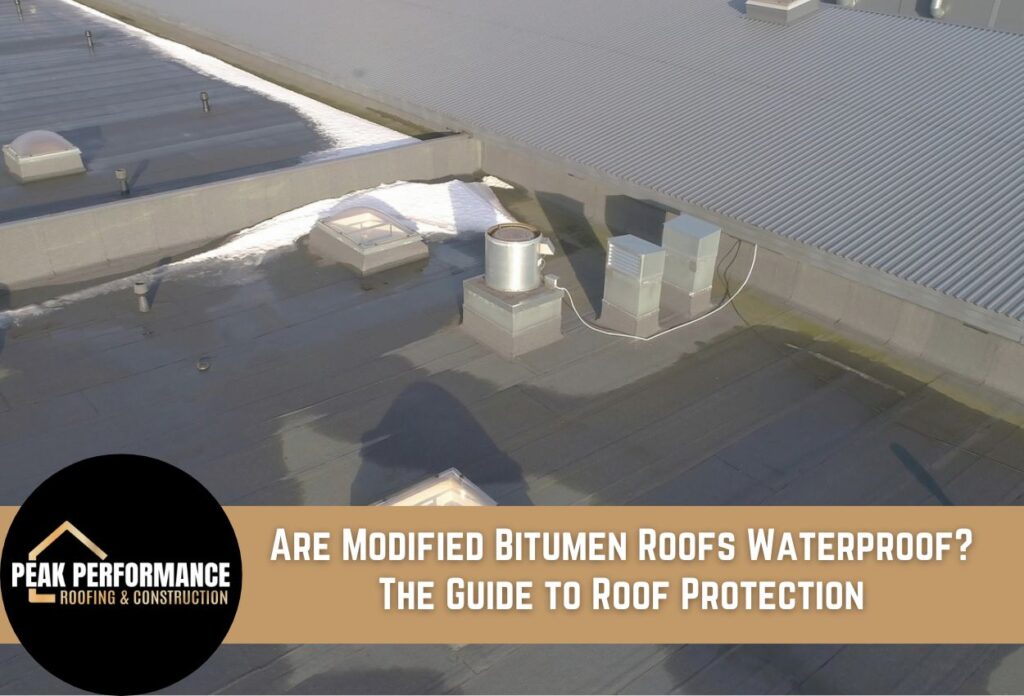
Modified bitumen roofing systems have become one of the more popular waterproofing solutions for flat and low-slope commercial buildings across Tulsa. With Oklahoma’s unpredictable weather patterns that range from hot summers to freezing winters and everything in between, building owners need roofing materials that can reliably keep water out year-round.
But exactly how waterproof are modified bitumen roofs? This question sits at the forefront of the minds of many property managers and building owners when considering roofing options. Modified bitumen combines asphalt with polymer modifiers to create a rubber-like membrane that’s designed to resist water infiltration while maintaining flexibility in varying temperatures.
Both SBS and APP modified bitumen varieties offer distinct waterproofing qualities that perform differently under Tulsa’s diverse climate conditions. Torch-down systems, self-adhered membranes, and cold-applied methods each provide varying levels of water resistance and longevity.
Understanding the true waterproofing capabilities of modified bitumen requires examining how these systems are constructed, installed, and maintained. Factors including membrane thickness, installation quality, and regular maintenance all significantly impact a modified bitumen roof’s ability to keep buildings dry and protected from water damage.
Understanding How Modified Bitumen Roofs are Structured
Modified bitumen roofing systems are engineered with multiple layers that work together to create a waterproof barrier for commercial buildings. At its core, a modified bitumen roof consists of three essential components: reinforced layers, a specialized bitumen compound, and protective surfacing.
The reinforced layer typically uses fiberglass, polyester, or a combination of both to provide structural strength and dimensional stability. This foundation helps the roof withstand the physical stresses of Oklahoma’s weather while maintaining its waterproof integrity.
What truly sets modified bitumen apart from traditional asphalt roofing systems is the polymer-modified bitumen. By adding polymers like SBS (which creates a rubber-like quality) or APP (which enhances high-temperature performance), manufacturers transform standard asphalt into a superior waterproofing material. These polymers dramatically improve flexibility, durability, and water resistance compared to conventional asphalt roofing.
The protective surfacing layer is typically made up of granules, reflective coatings, or smooth finishes, providing the final level of defense against UV radiation and physical damage while enhancing waterproof performance.
For Tulsa property owners, this advanced composition means modified bitumen membranes can maintain their waterproof qualities through Oklahoma’s intense summer heat, winter freezes, and seasonal storms, offering reliable protection against leaks for years when properly installed.
Installation Methods and Waterproofing Integrity
The waterproofing effectiveness of a modified bitumen roof largely depends on the way it’s installed. Torch-down application, commonly used in Tulsa commercial buildings, creates exceptional waterproof seals when properly executed. During this process, the membrane’s underside is heated until the bitumen liquefies, forming a seamless bond with the substrate. Proper seam overlapping of 4 to 6 inches and thorough heating ensure water cannot pass between layers.
Flashing details around roof penetrations, edges, and corners require particular attention during torch-down installation. These vulnerable areas must be sealed meticulously to maintain the waterproof integrity of the entire roofing system. An experienced Tulsa roofing contractor will ensure these critical details receive proper treatment to prevent future leaks.
Self-adhered and cold-applied modified bitumen systems offer alternative installation methods with distinct waterproofing advantages. Self-adhered membranes feature factory-applied adhesive backing that creates consistent adhesion across the roof’s surface without applying heat. This technique particularly excels for waterproofing around HVAC units, vents, and other complex penetrations where using a torch-down method might pose safety risks.
Cold-applied systems utilize special adhesives or asphalt emulsions to bond the membrane layers. While requiring longer curing times than torch-down methods, cold-applied installations maintain excellent waterproof qualities and are ideal for sensitive areas where open flames aren’t practical. The SBS modified bitumen waterproof qualities particularly shine with these installation methods, providing reliable protection against Oklahoma’s unpredictable precipitation patterns.
Preventing Modified Bitumen Membranes from Failing
Even the most well-installed modified bitumen roofs can develop issues with water resistance over time, especially in Tulsa. Understanding common points of failure is essential for maintaining a watertight commercial roof. Seam failures represent the most frequent problem, as these areas between membrane sheets can separate during Oklahoma’s extreme temperature fluctuations when it’s not properly overlapped and sealed during installation.
Flashing that’s deteriorated around roof penetrations like vents, HVAC equipment, and drainage systems creates critical weak points. These areas experience accelerated wear from pooling water and often develop cracks that allow moisture in during heavy spring showers. Membrane punctures from foot traffic, dropped tools, or storm debris also instantly compromise the material’s waterproof abilities.
Prevention requires a multi-faceted approach that includes debris removal, professional inspections twice a year, and consistent applications of reflective coatings. For buildings with high-value contents or operations, installing additional reinforcement along vulnerable areas provides extra protection against Oklahoma’s occasional severe weather events. These preventative measures significantly extend the waterproof performance of modified bitumen roofing systems throughout their service life.
Extending the Lifespan of Waterproof Modified Bitumen Roofs
Modified bitumen roofing systems can provide decades of protection against water damage for Tulsa commercial buildings when properly maintained and restored. As these roofs age, their waterproofing capabilities naturally diminish due to UV exposure, thermal cycling, and Oklahoma’s seasonal weather extremes. Luckily, several restoration options can significantly extend their waterproof performance without full replacement.
Acrylic, silicone, or aluminum roof coatings applied to properly prepared modified bitumen surfaces create an additional waterproofing layer that seals minor cracks and reinforces seams. These coatings not only restore water resistance, they also reflect UV rays, reducing thermal stress that compromises the waterproofing abilities of modified bitumen. For roofs with more significant deterioration, fabric reinforcement techniques can strengthen compromised areas while maintaining flexibility across the membrane.
A tailored maintenance schedule is crucial for maximizing waterproof performance through Tulsa’s challenging seasons. Spring inspections after winter should focus on repairing any freeze-thaw damage that may have compromised waterproofing. Summer maintenance should include reflective coating touch-ups to prevent heat-related deterioration. Fall preparations must address drainage systems and prevent moisture from pooling that can enter even smallest breaches in the modified bitumen.
Professional Assessment: When to Repair or Replace
Evaluating the waterproof condition of an existing modified bitumen roof requires careful inspection by knowledgeable professionals. Tulsa property owners should watch for several telltale signs that their roof’s water resistance is compromised. These include blistering or bubbling on the membrane’s surface, which indicates trapped moisture beneath the waterproof layer. Cracking or alligatoring patterns also suggest that the bitumen has deteriorated from UV exposure and can no longer effectively repel water.
Seam separation, particularly around flashing, represents a critical failure point that requires immediate attention. Recurring leaks after rainstorms, water stains on interior ceilings, or unexplained increases in energy costs may also indicate compromised waterproofing performance in your modified bitumen system.
In many cases, localized repairs can restore a roof’s effectiveness at being water resistant. Isolated membrane damage, minor seam separations, or flashing issues can typically be fixed without full replacement. However, when a modified bitumen roof shows widespread deterioration, has multiple leaks across different areas, or has exceeded its 15 to 20 year expected lifespan, complete replacement becomes the more cost-effective waterproofing solution.
Qualified Tulsa roofing contractors will conduct thorough moisture scanning, core sampling, and comprehensive membrane assessment to determine whether repair or replacement will best restore your roof’s waterproof qualities. Choose contractors with specific experience installing and repairing modified bitumen systems, proper licensing, and documented expertise with both SBS and APP modified bitumen roofing systems.
Ensure Your Property’s Protection with Peak Performance Roofing & Construction
Are you concerned about the water resistance of your commercial roof? At Peak Performance Roofing & Construction, we specialize in installing and maintaining modified bitumen roofing systems that stand the test of time and weather. Our expert team in Tulsa understands the critical importance of a roof that can withstand Oklahoma’s weather. Whether you’re considering a new roof installation or need to assess and repair your current roofing system, don’t wait until it’s too late.
To discuss your roofing needs and ensure your property is protected with a reliable, waterproof roofing solution, call us today at (918) 694-1483. Let us help you keep your property safe and dry with a roofing system built to last.