 (918) 694-1483
 Warning Signs of Damaged Roof Flashing: Protecting Your Tulsa Home from Water Damage
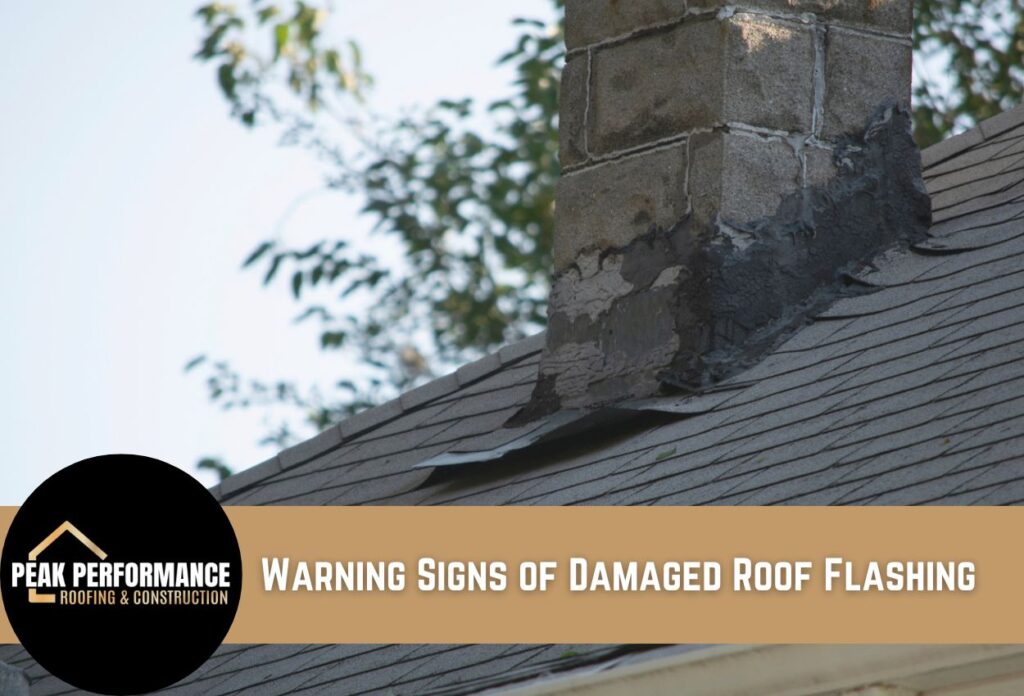
Roof flashing is a critical defense for Tulsa homes, preventing water from infiltrating vulnerable areas where roofing materials meet walls, chimneys, skylights, and valleys. When this essential barrier becomes damaged, your home’s structural integrity faces serious risk. Recognizing the signs of damaged roof flashing early can save homeowners thousands in potential water damage repairs and preserve their property’s value.
Tulsa’s severe thunderstorms, occasional hail, and seasonal temperature fluctuations create challenges for roof flashing durability. Oklahoma documented 200–270 hail storms annually in recent years, with Tulsa’s highest probability of hail (55–65%) occurring in April and May. These weather conditions, combined with improper installation or natural aging, contribute to flashing deterioration. Even small compromises in flashing integrity can allow moisture to penetrate your roofing system, leading to problems that worsen over time.
Homeowners often miss the subtle indicators of leaking roof flashing until significant damage has occurred. Understanding how to identify compromised roof flashing through visual inspection can help catch problems before they escalate. From rust stains and loose materials to interior water spots, these warning signs are alerts that your roof needs professional attention.
This guide examines the most common roof flashing failure signs Tulsa homeowners should watch for and explains why quick repair from qualified roofing contractors is essential for maintaining your home against Oklahoma’s challenging weather.
Visible Deterioration: Physical Indicators of Compromised Flashing
Roof flashing often shows clear physical signs when it begins to fail. One of the most common warning signs is the appearance of rust, corrosion, or oxidation on metal flashing. These issues typically begin as small spots or discolorations but progressively worsen without intervention. In Tulsa’s climate, where seasonal rains and humidity are common, metal flashing can deteriorate more rapidly than in drier regions, making regular inspection essential. While flashing in mild climates may last 15–25 years, local experts report that in Tulsa’s extreme weather, it can fail in as little as 5–10 years without maintenance.
Warping, lifting, and separation between flashing and adjacent roofing materials are critical warning signs that need immediate attention. When flashing pulls away from surfaces it’s designed to protect, it creates entry points for water. Look for gaps where the flashing meets walls, chimneys, or other roof penetrations. Even small separations can allow significant water in during Tulsa’s heavy downpours.
Damaged roof flashing may also display visible bending, denting, or physical damage from impacts. After severe weather, inspect for new deformations in flashing. Professional roofing contractors often identify compromised roof flashing problems that homeowners miss, particularly in less visible areas like roof valleys or behind chimney structures, where leaking roof flashing indicators may be less obvious but equally damaging.
Types of Flashing Installations
Understanding the different flashing components helps homeowners know what to inspect. Step flashing consists of rectangular pieces installed along roof-to-wall intersections, while valley flashing protects the vulnerable V-shaped areas where roof planes meet. Chimney flashing systems use multiple components including base flashing, step flashing, counter flashing, and cap flashing that work together to create an impenetrable barrier where the brick structure intersects the roof surface. Drip edges help guide runoff away from fascia boards.
Common Installation Mistakes
Common installation errors that homeowners should watch for include using incompatible metals that can cause galvanic corrosion, improper sealing that allows water penetration, insufficient anchoring that leads to flashing displacement during storms, and inadequate overlap between flashing sections. These mistakes often become apparent through accelerated deterioration patterns.
Moisture and Water-Related Evidence of Flashing Failure
Flashing failure is cited as the single most common cause of roof leaks in the region, particularly around chimneys, skylights, and valleys. Interior water stains and discoloration provide telltale indicators of damaged roof flashing that Tulsa homeowners should never ignore. These moisture markers typically appear as yellowish-brown rings or irregular patches on ceilings and walls, often developing slowly over time. The location of these stains can help identify where flashing has failed, such as around chimneys, skylights, or where roof planes intersect. Even minor dampness on interior surfaces suggests that water has breached your roof.
Tulsa’s winter conditions create additional challenges for roof flashing integrity. While less common, when snow accumulates on roofs and begins to melt, ice dams can form along eaves, forcing water backward under shingles where it tests the effectiveness of flashing installations. This trapped moisture seeks the path of least resistance, often finding entry points where flashing has deteriorated or separated from adjacent surfaces. Temperature fluctuations that cause repeated freezing and thawing throughout the winter can widen existing gaps in flashing, exacerbating leaking roof flashing indicators.
Be especially vigilant for increased moisture problems following major precipitation. Damp attic insulation, water droplets on rafters, or frost accumulation in attic spaces during cold weather suggest that roof flashing may be compromised. Moisture entering through compromised flashing can rot roof decking, destroy insulation’s thermal properties, and create conditions for black mold growth that threatens indoor air quality and family health. These compounding issues not only require expensive remediation but can significantly reduce your home’s market value. Addressing these roof flashing repair symptoms promptly can prevent more extensive damage to your Tulsa home’s interior, insulation, and structural elements while avoiding emergency repairs during harsh weather.
Structural Concerns: Beyond Surface-Level Symptoms
Damaged roof flashing often creates problems that extend far beyond visible leaks, potentially harming your entire roof’s structural integrity. When examining your Tulsa home for compromised roof flashing, pay close attention to the flashing installations around chimneys, skylights, and roof valleys. These areas frequently show signs of loose or missing flashing that create vulnerable entry points for water. Even small gaps can allow moisture to penetrate the roof deck and eventually reach support structures.
Sagging or uneven roof sections near flashing installations are critical warning signs of potential water damage beneath the surface. This irregularity develops when prolonged moisture exposure causes roof decking and supporting timber to weaken and deteriorate. In Tulsa, where heavy seasonal rains can exacerbate existing flashing failures, these structural issues may progress rapidly once water infiltration begins.
Professional roofing contractors can identify subtle signs of underlying damage that homeowners might miss during a casual inspection. These include slight dips in rooflines, compressed insulation in attic spaces near flashing installations, or darkened wood in roof framing components. Addressing these roof flashing failure signs as soon as possible is essential, as structural repairs are significantly more costly once water damage progresses to load-bearing elements. Minor flashing repairs typically range from $200–$1,000, whereas ignoring the issue can lead to structural water damage costing $5,000–$10,000 or more. Regular inspection by qualified Tulsa roofing professionals can detect these subtle indicators before catastrophic damage occurs.
| Repair Timing | Typical Cost Range | Scope of Work |
|---|---|---|
| Minor Flashing Repair (Early Detection) | $200–$1,000 | Seal small cracks, reattach loose sections, replace limited damaged areas |
| Section Replacement (Moderate Damage) | $1,000–$3,000 | Replace corroded sections, address multiple failure points, reseal connections |
| Structural Water Damage (Deferred Maintenance) | $5,000–$10,000+ | Repair rotted decking, replace insulation, remediate mold, complete flashing replacement |
.
Seasonal Inspection Guide: Monitoring Flashing Performance Year-Round
Tulsa’s seasonal weather patterns mean vigilant monitoring of roof flashing is needed throughout the year. Spring thunderstorms, summer heat, fall winds, and winter freezes each can challenge flashing integrity. Creating a consistent inspection routine that accounts for these seasonal variations helps homeowners identify damaged roof flashing before major problems develop. Industry guidelines recommend quarterly inspections for roofs aged 10–15+ years, and immediate checks after hail exceeding 0.75 inches or winds over 50 mph.
After severe weather, particularly following Tulsa’s notorious thunderstorms and hail, perform a thorough visual inspection of all accessible flashing points. Use binoculars to check high areas safely from the ground, looking for new dents, displaced materials, or areas where the flashing has pulled away from surfaces. Pay special attention to valleys, chimney flashing, and roof-wall intersections where leaking roof flashing indicators often first appear.
DIY Flashing Assessment vs. Professional Inspection
Homeowners can safely conduct preliminary roof flashing inspections without climbing onto their roofs. Using binoculars from the ground is an effective way to spot warning signs of damaged roof flashing. Look for visible rust streaks, separated or lifted metal pieces, and misaligned flashing around chimneys and roof penetrations. Pay closer attention to areas where flashing meets roofing materials, checking for gaps or unusual shadows that might indicate separation.
While a DIY assessment offers early detection, certain symptoms need professional expertise. Contact a qualified Tulsa roofing contractor immediately if you notice interior water stains on ceilings or walls, especially following rain. Multiple or spreading water spots typically indicate progressive flashing failure that requires experienced evaluation. Similarly, visible sagging near flashing, bent or missing materials, or mold growth on exterior walls beneath rooflines are serious indicators of compromised roof flashing.
Delaying necessary flashing repairs can transform minor issues into major structural problems. What begins as a simple flashing replacement can quickly escalate to extensive repairs involving roof decking, insulation, and even home interior if left unaddressed. Tulsa homes are more vulnerable to rapid deterioration when flashing fails because of our region’s heavy seasonal precipitation. Remember that professional roofers have the safety equipment, specialized tools, and experience to accurately diagnose and repair roof flashing issues before they threaten your home’s integrity.
Common Repair Approaches
Understanding different repair methodologies helps homeowners know what to expect when flashing issues are identified. For minor issues like small holes or cracks, applying roofing cement or specialized flashing sealant can effectively restore the waterproof seal. Loose flashing often requires reattachment with appropriate fasteners along with fresh sealant to prevent future displacement.
More significant damage typically calls for section replacement, where corroded or extensively damaged portions are removed and new flashing is installed. For extensive corrosion or multiple failing sections, complete flashing replacement might be the most cost-effective long-term solution, particularly when the existing system has reached the end of its expected lifespan.
Preventative Measures: Extending the Life of Your Roof Flashing
Implementing a proactive maintenance strategy specifically tailored to Tulsa’s climate can significantly extend the lifespan of your roof flashing. Regular cleaning to remove debris that collects around flashing prevents moisture retention that accelerates corrosion. This is especially important in autumn when falling leaves can trap dampness against metal flashing. During Oklahoma’s storm season, checking flashing integrity after severe weather events can catch displacement or damage before water infiltration begins.
Maintaining your roofing system involves more than just flashing. Proper attic ventilation and insulation work with your flashing by reducing moisture buildup that could otherwise compromise flashing adhesion and accelerate deterioration. In Tulsa homes, where summer heat can create significant temperature differentials between attic spaces and the outdoors, adequate ventilation and insulation help prevent expansion and contraction cycles that stress flashing connections.
Professional roofers can evaluate whether your current ventilation and insulation systems adequately support your flashing components, creating a comprehensive protection strategy that addresses the challenges Oklahoma weather presents to your home.
Call Peak Performance Roofing & Construction for Flashing Repair Services in Tulsa!
If you’ve noticed any warning signs of damaged roof flashing mentioned above, it’s essential to act fast to protect your Tulsa home from potential water damage. At Peak Performance Roofing & Construction, we understand the urgency of these issues and are equipped to provide prompt and professional solutions. Whether it’s rust, corrosion, warping, or water stains, our expert team is ready to restore the integrity of your roof’s flashing and prevent further damage.
Don’t wait until minor flashing issues become major headaches. Call us today at (918) 694-1483 to schedule an inspection or repair service. Trust Peak Performance Roofing & Construction to keep your home safe and dry through every season.
How often should I have my roof flashing professionally inspected in Tulsa?
For roofs under 10 years old, annual professional inspections are typically sufficient. However, if your roof is older or you’ve experienced severe weather events like hail or high winds, schedule inspections more frequently to catch deterioration early.
Can damaged flashing cause mold problems inside my home?
Yes, when flashing fails and allows water infiltration, the resulting moisture creates ideal conditions for mold growth in attic spaces, insulation, and wall cavities. This can compromise indoor air quality and require expensive remediation beyond just roof repairs.
What’s the difference between flashing repair and flashing replacement?
Flashing repair addresses specific problem areas through resealing, reattachment, or patching small sections. Complete replacement involves removing all existing flashing and installing new materials, which is necessary when corrosion is widespread or the system has reached its lifespan.
Will homeowners insurance cover roof flashing damage in Tulsa?
Coverage depends on the cause of damage. Storm-related flashing damage from hail or wind is often covered, while deterioration from age or lack of maintenance typically isn’t. Document damage immediately after severe weather and contact your insurer promptly.
Why does flashing around chimneys fail more frequently than other areas?
Chimney flashing experiences greater stress because it bridges two different materials (masonry and roofing) that expand and contract at different rates with temperature changes. This constant movement can break seals and loosen fasteners faster than flashing in other locations.