 (918) 694-1483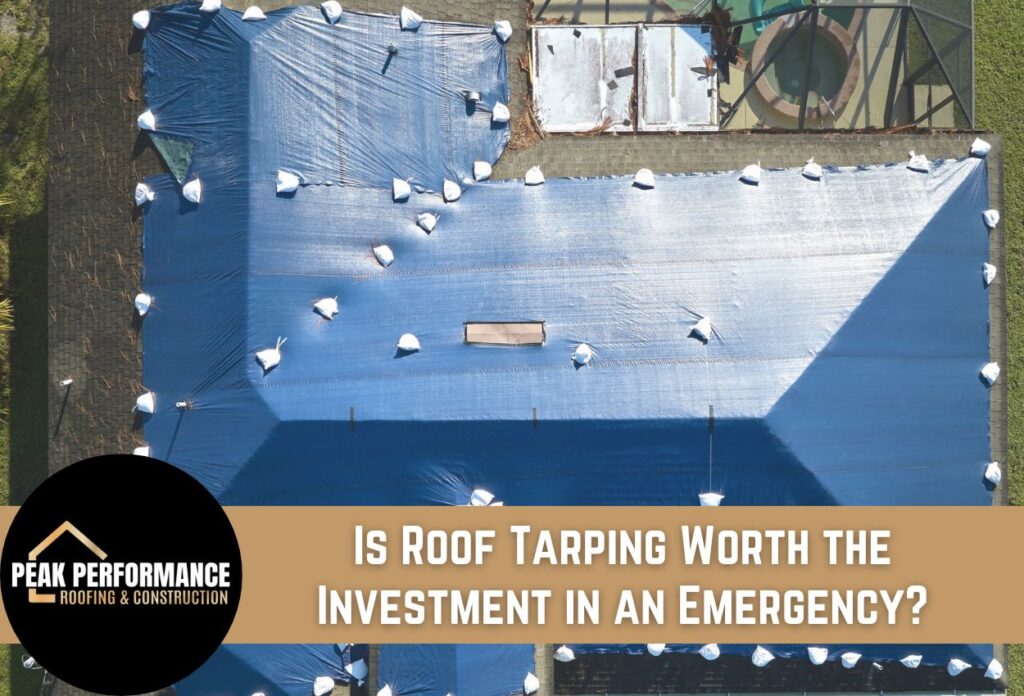
Key Points:
- Roof tarping is a cost-effective emergency investment, preventing significant further damage and saving you money on future repairs.
- Factors like roof size, damage severity, accessibility, and emergency response time significantly influence roof tarping costs.
- Opting for professional tarping ensures safety, proper installation, and insurance coverage, outweighing hidden DIY risks and expenses.
When severe weather, fallen debris, or sudden leaks compromise your roof, quick tarping can prevent interior damage. This temporary solution involves covering affected areas with durable, waterproof tarps, protecting your home until permanent roof repairs are completed.
Using professionally installed roof tarps provides immediate protection, reducing the risk of water seeping into ceilings, walls, insulation, and personal belongings. By establishing a secure barrier against rain and wind, expert tarping gives homeowners and contractors the necessary time to plan and execute long-term repairs without further jeopardizing the property’s structural integrity or its contents.
The cost of roof tarping represents a fraction of what unprotected damage could ultimately require. Storm damage roof protection through tarping prevents minor roofing issues from escalating into major structural problems. Professional contractors use specialized materials and securing techniques that outlast temporary fixes, ensuring reliable coverage during extended repair timelines. This investment protects both the structural integrity of the home and the financial well-being of property owners facing unexpected roofing emergencies.
Breaking Down the Factors That Influence Roof Tarping Pricing
Several key elements determine the investment required for emergency roof tarping services. The size of the roof plays a role as well, as larger areas require more materials and extended labor for proper roof tarp installation. The extent of the damage from a storm directly impacts the installation’s complexity, with multiple breach points or severe structural compromise requiring additional securing methods and specialized techniques.
Accessibility challenges significantly affect roof tarping costs. Steep slopes, multiple stories, or obstacles like chimneys and skylights increase both safety requirements and installation time. Properties with limited access for equipment or materials may require additional manpower and specialized approaches for effective temporary roof repair.
Labor also needs to be considered. The size of the crew, safety equipment, and the skill level necessary for a secure installation are all factored in with a professional installation. Experienced contractors bring specialized knowledge for proper attachment methods that prevent tarp failure during further bad weather, ensuring reliable protection throughout the repair process.
Emergency Response Timing and How It Affects Your Roof
Storm season creates significant fluctuations in the availability of emergency roof tarping and the costs associated with it. During peak bad weather, the need for temporary roof repair services surges dramatically as multiple properties require attention all at once. This increased demand naturally influences pricing structures, with contractors prioritizing emergency calls based on severity and scheduling constraints.
After-hour service calls for roof tarp installation typically have premium rates compared to standard business-hour responses. Emergency roof tarping at night, on weekends, and during holidays requires contractors to mobilize crews outside normal operations, resulting in higher labor costs. Weather conditions during response periods also affect the job, as rain, wind, or darkness create additional safety challenges for crews.
Immediate emergency response within hours of a storm’s impact requires contractors to maintain standby crews and equipment stockpiles, operational costs reflected in urgent service pricing. Properties requiring same-day roof tarping cost more than situations allowing flexible scheduling. Peak storm seasons often stretch contractor availability thin, making rapid response a premium service that prevents extensive interior damage but requires higher investment levels.
Comparing Professional Tarping Services Against DIY Alternatives
DIY roof tarping attempts often result in hidden expenses that exceed professional service costs. Homeowners typically underestimate the material requirements, purchasing inadequate tarps that fail during bad weather and require repeated replacement. Safety equipment rental, ladder costs, and proper fastening hardware add significant expenses to the job when it’s attempted without professional expertise.
Professional roof tarp installation provides value through specialized materials and proven techniques. Licensed contractors carry liability insurance that protects property owners from potential damages caused during a temporary roof repair process. Their experience ensures proper securing methods that prevent tarp failure, wind uplift, and additional structural damage that commonly occurs with amateur installations.
Injuries that happen during work can create additional medical expenses and potential liability issues not covered by standard insurance policies. Additionally, improperly installed tarps may void insurance claims if inadequate protection allows continued water damage. Professional services eliminate these risks while delivering reliable coverage that insurance companies recognize as appropriate emergency response measures.
Storm Damage and Its Impact on Tarping
Different storm damage patterns create varying complexity levels that directly influence the requirements of emergency roof tarping. Hail damage typically produces scattered punctures across a roof’s surface, requiring tarp coverage to address multiple breach points effectively. Wind damage often creates localized tears or missing shingle sections that may need targeted temporary roof repair approaches with strategic tarp placement.
Tornado and severe thunderstorm impacts frequently combine multiple types of damage, including structural displacement, debris, and widespread material loss. Damage from falling trees creates unique challenges where roof tarp installation must accommodate irregular breach patterns and potential ongoing structural instability. These complex scenarios require extensive storm damage roof protection measures.
Insurance coverage plays an important role in tarping decisions. Most policies cover reasonable emergency roof tarping costs as part of immediate damage mitigation requirements. Proper documentation of temporary protection measures supports claim processing and demonstrates policyholder responsibility in preventing additional damage. Professional tarping services provide detailed reports and photographic evidence that insurance adjusters expect during claim evaluations, ensuring smooth restoration workflows and appropriate coverage determinations.
Geographic and Market Factors That Influence Local Tarping Rates
Regional weather patterns significantly impact emergency roof tarping and pricing structures throughout Oklahoma. Areas prone to severe thunderstorms, hail, and tornado activity experience higher seasonal demand that influences local market rates. The frequency of bad weather in storm-prone regions creates greater contractor specialization but also increases competition.
Local contractor availability directly affects roof tarp pricing differences between markets. Rural areas with limited roofing professionals may experience higher rates due to travel distances and reduced competition. Urban markets typically offer more service options but face capacity constraints during widespread storms that impact multiple properties simultaneously.
Spring and early summer traditionally see increased storm activity, driving up the need for roof tarp installation services. Winter often provides more competitive rates as emergency calls decrease, though weather conditions may complicate installation processes. Market saturation levels vary by region, with established roofing markets offering more stable pricing compared to underserved areas where storm damage roof protection services command premium rates due to limited availability.
Making Smart Decisions About Emergency Roof Tarping Investments
Recognizing the warning signs helps property owners determine when emergency roof tarping transitions from an optional precaution to an essential investment. Active leaks through visible ceiling stains, dripping, or standing water indicate an immediate need for temporary roof repair intervention. Missing shingles, exposed underlayment, or debris punctures create urgent situations requiring professional roof tarp installation to prevent escalating damage.
Structural indicators such as sagging rooflines, damaged flashing, or compromised gutter systems signal scenarios where storm damage roof protection becomes the smart choice. Weather forecasts predicting additional precipitation following initial damage make tarping a necessary investment rather than a discretionary expense. Insurance companies typically expect reasonable mitigation efforts, making professional tarping services a documented requirement for claim protection.
Proactive planning reduces both roof tarping costs and overall restoration expenses through early intervention. Property owners who act quickly following storm damage minimize interior exposure and reduce the size of the permanent repairs needed. Strategic decision-making about temporary protection creates long-term savings by preventing minor roofing issues from developing into major structural problems requiring extensive reconstruction.
Explore Affordable Emergency Roof Tarping Solutions with Peak Performance Roofing & Construction
When facing urgent roof damage, deciding on the right protective measures is crucial. Emergency roof tarping by Peak Performance Roofing & Construction offers a cost-effective solution to safeguard your home from further harm.
Peak Performance Roofing & Construction is your trusted partner in emergency roof tarping across the Tulsa area. Call us now at (918) 694-1483 for a consultation and immediate assistance. Protect your home effectively and affordably with our expert tarping services.