
 (918) 694-1483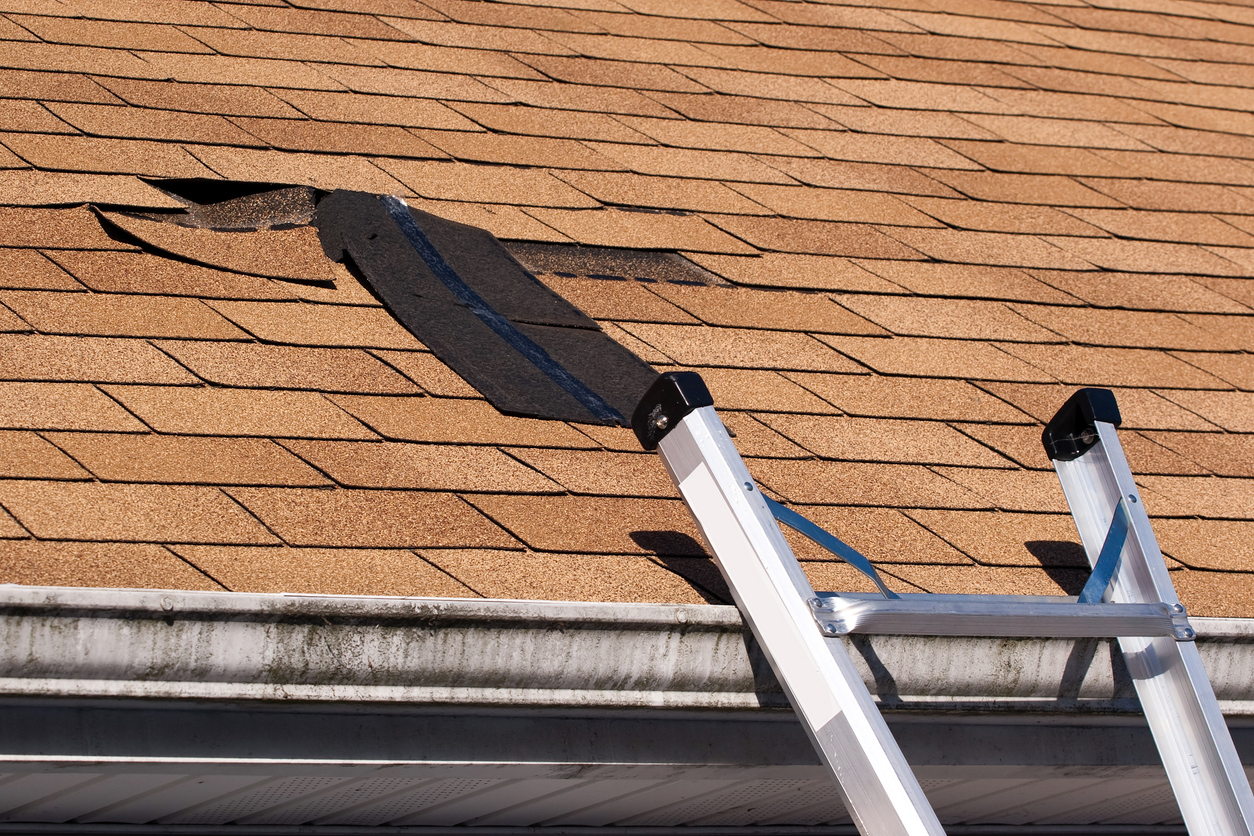
Trusted by Tulsa homeowners and recognized for our dedication to quality and customer service.
Performance Peaked, Every Time!
Performance Peaked, Every Time!
Catoosa sits in a part of Oklahoma where the weather rarely goes easy on a roof. Spring storms roll through with hail and high winds that can crack shingles, tear up flashing, and leave behind damage that isn't always obvious from the ground. Winter brings its own problems, with freezing temperatures and moisture cycling that stress roofing materials over time. With around 50 inches of rainfall hitting the area each year, your roof is under constant pressure, and even a small failure can let water into places that get expensive to fix the longer they go unaddressed.
That kind of weather environment is exactly why professional roof repair for your home matters here. A lot of Catoosa homes have asphalt shingle roofs that are well into their middle years, which means repair needs are becoming more common and more important to stay ahead of. Whether the issue is a few missing shingles after a storm, a flashing failure around a chimney or vent, or a slow leak that's been quietly spreading, the right repair done at the right time protects your home and extends the life of your existing roof.
Peak Performance Roofing and Construction works with Catoosa homeowners who want straight answers and reliable work. Knowing the local weather patterns and the specific ways they wear on roofs here makes a real difference in how a repair is diagnosed and handled from the start.
Most homeowners are not sure what to expect once they call a roofer, so here is exactly what the process looks like from the first contact to the finished repair.
Catoosa's weather puts roofs through a real workout year-round. Heavy rain, hail, wind, and temperature changes all take a toll in different ways, and knowing what typically causes repair needs can help you spot problems before they get out of hand.
| Repair Type | Common Cause | Typical Urgency |
|---|---|---|
| Shingle damage or loss | High winds and hail impact during spring storms | Address quickly to prevent leaks |
| Flashing failures | Temperature changes stress seals around chimneys, vents, and skylights | High: exposed gaps allow water in quickly |
| Slow or hidden leaks | Persistent moisture exposure over time, often from small gaps or worn sealant | Easy to underestimate: damage spreads |
| Pipe and gap leaks | Aging pipe boot flashing that cracks or separates from the surface of the roof | Moderate to high: depending on location |
| Post-winter wear | Moisture cycling and temperature changes through the fall and winter | Spring inspection helps catch this early |
Most repairs, when caught at a reasonable stage, can be completed in a few hours to a single day. The bigger risk is waiting. Catoosa gets enough rainfall each year that even a minor gap in your roof's protection can become a much larger problem in a short amount of time.
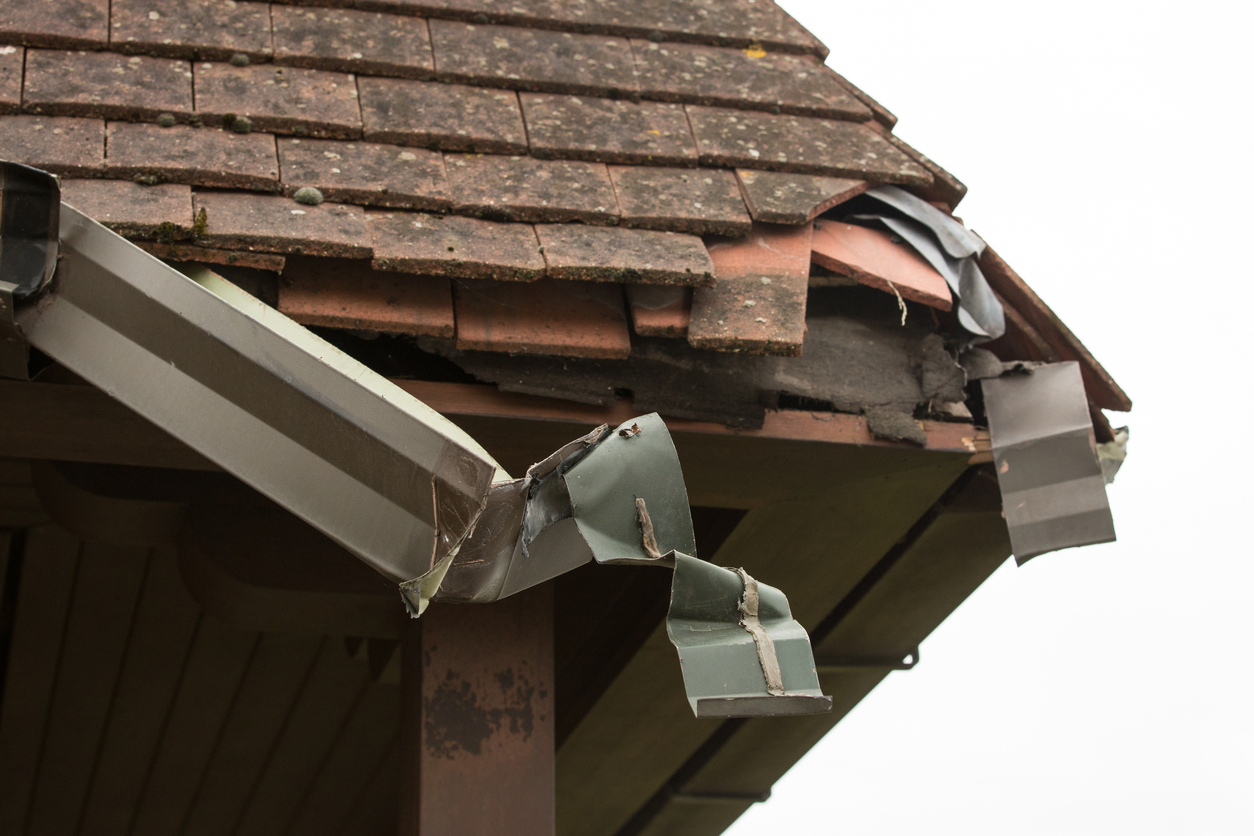
When a storm leaves your roof exposed, waiting days for a full repair isn't always an option with Catoosa's rainfall. Tarping and emergency protection measures keep water out of your home while materials are sourced and the permanent repair is scheduled.
A good repair blends in, and that means sourcing shingles, flashing, and sealants that are as close to your current roof as possible in color, profile, and weight. This matters for your home's appearance and for making sure repaired sections perform the same way as the rest of the roof around them.
Pipe boots are one of the most common failure points on Catoosa homes, and they often go unnoticed until a leak shows up inside. Worn or cracked boots around plumbing vents get replaced as a standalone repair, not just patched, so the seal holds up against repeated moisture exposure.
Oklahoma's exposure to severe weather means repairs have to be installed to hold, not just cover the problem. Shingles and flashing are fastened and sealed to meet the wind resistance standards that matter in this part of the state, so a repaired section doesn't become the first thing to fail in the next storm.
Catoosa's weather doesn't let up, and a roof that's been through a few Oklahoma seasons has earned its share of wear. The combination of heavy rainfall, temperature swings, and wind exposure means even a well-built roof will need attention over time. Taking care of repairs at the right stage keeps your home protected and helps you avoid the kind of damage that turns a straightforward fix into a much bigger project. Spring and fall are both good windows to get repair work done, but the best time is honestly whenever you notice something isn't right.
If you're seeing signs of a problem or just want to know where your roof stands, Peak Performance Roofing and Construction serves the Catoosa area and is ready to help. Reach out when you're ready, and someone will walk you through what comes next.
Got questions about your roof? We’ve got answers. From maintenance tips to insurance claims and repair timelines, our FAQ section covers the most common concerns homeowners have. Get informed and make confident decisions about protecting your home.
Hail damage can weaken shingles in ways that aren't always visible on the surface, leaving them brittle and more vulnerable to the next storm, even after a repair. A thorough inspection after any significant hailstorm should look at the overall condition of surrounding shingles, not just the obvious damage, to make sure a targeted repair is going into a roof section that's still structurally sound. If the shingles around a repair area are already compromised, the repair itself may not perform the way it should when the next round of severe weather moves through.
Flashing repairs are often more involved than they look because the real fix requires removing and resetting the flashing properly, not just running sealant over the top of an old seal. Caulk-only repairs around chimneys and vents tend to hold for a short time before failing again, which is why the same spots often get repaired repeatedly without anyone addressing the root cause. A repair that pulls the flashing, resets it correctly, and seals it properly takes more effort upfront but holds up far better against the moisture and temperature changes your roof sees year-round.
Most standard repairs, like replacing shingles or fixing flashing, don't require a permit, but larger jobs can trigger the permit and inspection process through the city. Your contractor should be able to tell you upfront whether the work falls into a category that needs municipal approval, so there are no surprises once the job is underway. When a permit is required, building in time for the inspection process is part of scheduling the job correctly, and skipping that step can create problems when you sell your home or file a future claim.

Call now for a free inspection and estimate—let's protect your home or business today!
Trusted by Tulsa homeowners and recognized for our dedication to quality and customer service.
Our 24/7 support and emergency response mean your needs come first, every step of the way.
Get In Touch Today
