 (918) 694-1483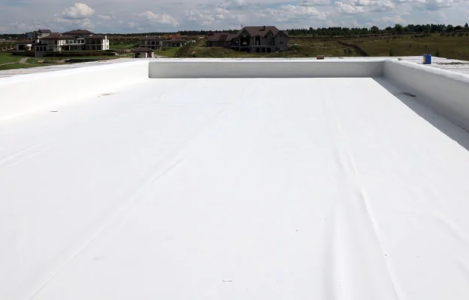
Trusted by Tulsa homeowners and recognized for our dedication to quality and customer service.
Performance Peaked, Every Time!
Performance Peaked, Every Time!
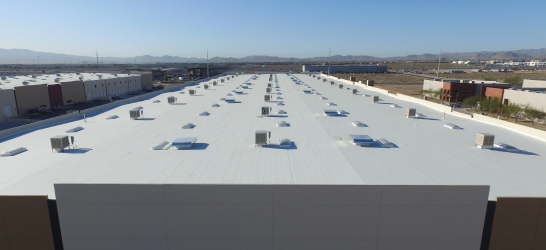
Verdigris sits in a part of Oklahoma where the weather puts flat and low-slope roofs through a serious workout. Summers push temperatures into the 90s, winters can drop into the 20s, and the area receives close to 45 inches of rain each year. That kind of range causes TPO membranes to expand and contract repeatedly through the seasons, and over time, that movement takes a toll on seams and flashing. Add in wind gusts that can reach 50 mph and occasional hail from spring and summer storms, and you have conditions that will find every weak point in a TPO system. Properties that have been around for a few decades are especially vulnerable, since many of those roofs were installed during a period of regional growth and are now showing wear at the seams, edges, and puncture points.
Getting ahead of those issues matters because a small seam failure does not stay small for long in this climate. Water that gets under a membrane during a heavy rainstorm creates problems that spread well beyond the original breach. That is where Peak Performance Roofing & Construction comes in. Our team works with commercial building owners and low-slope residential property owners across Verdigris, bringing direct knowledge of local conditions to every storm-related roof repair we handle. We understand what this region demands from a TPO system, and we approach every job with the kind of attention to detail that flat roofs require to perform reliably year after year.
Not knowing what to expect from a repair process can add stress to an already active issue. Here is a general breakdown of how a TPO roof repair process is typically handled from start to finish.
Knowing what typically goes wrong with TPO roofs in this area helps you catch problems before they grow. Rogers County's weather patterns create specific, repeatable failure points that show up on commercial buildings and low-slope residential properties alike.
| Issue Type | Common Cause in Verdigris | Repair Priority |
|---|---|---|
| Seam separation | Membrane expansion and contraction through seasonal temperature changes | High: water enters quickly once a seam opens |
| Punctures and surface tears | Hail up to golf ball size from spring and summer storms | High: standing water accelerates damage spread |
| Edge lifting at the perimeter | Clay soil moisture retention is causing movement under the TPO edges | Moderate to high: depending on the extent |
| Flashing deterioration | Wind-driven debris and abrasion from highway grit | Moderate: inspect every 5 to 7 years at a minimum |
| Surface contamination | Pollen, dust, and granule embedment reduce adhesion quality | Address before any patch or heat-weld repair |
Each of these issues is repairable when caught early. The slope standard of at least 1/4 inch per foot is verified on every repaired area to keep water moving off the surface properly, which is especially important given how quickly heavy rains arrive in this region.
Where seams have separated or thinned, we use heat-welding to fuse the membrane back together with a bond that holds up through repeated temperature changes. This is more reliable than adhesive-only patches for properties in Verdigris, where seasonal expansion and contraction continue to stress the same seam lines year after year.
Flat terrain and steady winds in this area put constant pressure on roof edges, and lifted perimeters are one of the more common failure points we see on local properties. We apply enhanced sealant along the perimeter and secure edge terminations so wind cannot work its way under the membrane between repair visits.
Pollen, highway dust, and embedded granules from regional conditions can prevent a patch from bonding correctly if the surface is not cleaned first. We treat contaminated TPO surfaces before any repair material goes down, which directly affects how long the repair holds up on your property.
After repairs are complete, we verify that the affected areas meet the minimum slope standard to keep water moving off the roof rather than sitting on it. With the heavy, fast-moving rainstorms common to this part of Rogers County, proper drainage on every repaired section is not optional, it is what separates a repair that lasts from one that fails again within a season.
Oklahoma's weather doesn't give flat and low-slope roofs much of a break. The same seasonal shifts that stress seams in spring and fall, the heavy rain that arrives fast, and the wind that works at edges all year long, all keep working on your roof whether a repair is scheduled or not. Addressing TPO issues before the next wave of wet weather arrives is simply the more practical path, and spring and fall tend to offer the most workable conditions for adhesives and surface prep.
If you've noticed a bubble, a seam that doesn't look right, or water showing up where it shouldn't, that's usually a signal worth acting on. Peak Performance Roofing & Construction works with commercial property owners and low-slope residential owners across Verdigris and is ready to take a look at what your roof needs. Reach out when you're ready, and we'll walk through it with you from there.
Got questions about your roof? We’ve got answers. From maintenance tips to insurance claims and repair timelines, our FAQ section covers the most common concerns homeowners have. Get informed and make confident decisions about protecting your home.
It does, and it's one of the more overlooked factors in this area. Clay soil absorbs moisture and shifts as it dries out, and that movement transfers to the perimeter of a flat roof over time, gradually lifting TPO edges away from the roof deck. Properties sitting on poorly draining soil near the lower terrain in Rogers County tend to show this kind of edge separation earlier than you might expect, which is why perimeter conditions are part of any thorough inspection here.
Timing genuinely affects how well a repair holds. TPO adhesives bond best when surface temperatures sit between 50 and 80 degrees Fahrenheit, and Verdigris summers push roof surfaces well past that range by midday, which can compromise adhesion quality even when the air temperature seems manageable. Deep winter brings its own complications with ice on the surface and cold deck temperatures that slow proper sealing. Spring and fall are the most reliable windows, though urgent repairs after a hailstorm should not wait, regardless of season.
Abrasive debris carried in from nearby roads gradually wears down TPO edges and flashing terminations in ways that aren't always obvious until a seam or edge starts to fail. That surface wear also makes contamination a bigger issue here than on properties in more sheltered locations, since embedded grit has to be fully removed before any patch or heat-weld will bond correctly. Skipping that cleaning step is one of the more common reasons a repair doesn't last as long as it should.
Call now for a free inspection and estimate—let's protect your home or business today!
Trusted by Tulsa homeowners and recognized for our dedication to quality and customer service.
Our 24/7 support and emergency response mean your needs come first, every step of the way.
Get In Touch Today
