 (918) 694-1483
Choosing the right siding material can transform your home’s appearance while providing years of protection against harsh weather conditions. Modern siding options offer homeowners durability, energy efficiency, and installation simplicity that make renovation projects more manageable than ever before.
The siding market has evolved significantly, with manufacturers developing materials specifically designed for a straightforward installation process. These innovations help reduce labor time and complexity while maintaining superior performance standards. Energy-efficient siding materials have become particularly popular as homeowners seek ways to reduce utility costs and improve comfort levels throughout their homes.
Climate considerations play an important role in determining what siding options are best for installation in specific regions. Oklahoma’s weather patterns, including intense summer heat, occasional severe storms, and temperature fluctuations, require siding materials that can withstand these challenging conditions without compromising structural integrity or curb appeal.
The benefits of insulated vinyl siding extend beyond simple weather protection, offering enhanced thermal performance that traditional siding materials cannot match. Foam-backed siding installation provides additional R-value compared to conventional options, creating better barrier systems against heat transfer and moisture infiltration. Understanding the differences between insulated siding and traditional siding helps homeowners make informed decisions that balance immediate installation needs with long-term performance expectations and maintenance requirements.
Vinyl Siding Advantages for Quick and Affordable Projects
Vinyl siding continues to dominate the residential exterior market due to its exceptional combination of affordability, durability, and installation efficiency. The lightweight properties of vinyl make it significantly easier to handle during installation compared to heavier alternatives like fiber cement or natural wood. This reduced weight translates to faster project completion times and less structural stress on existing wall systems.
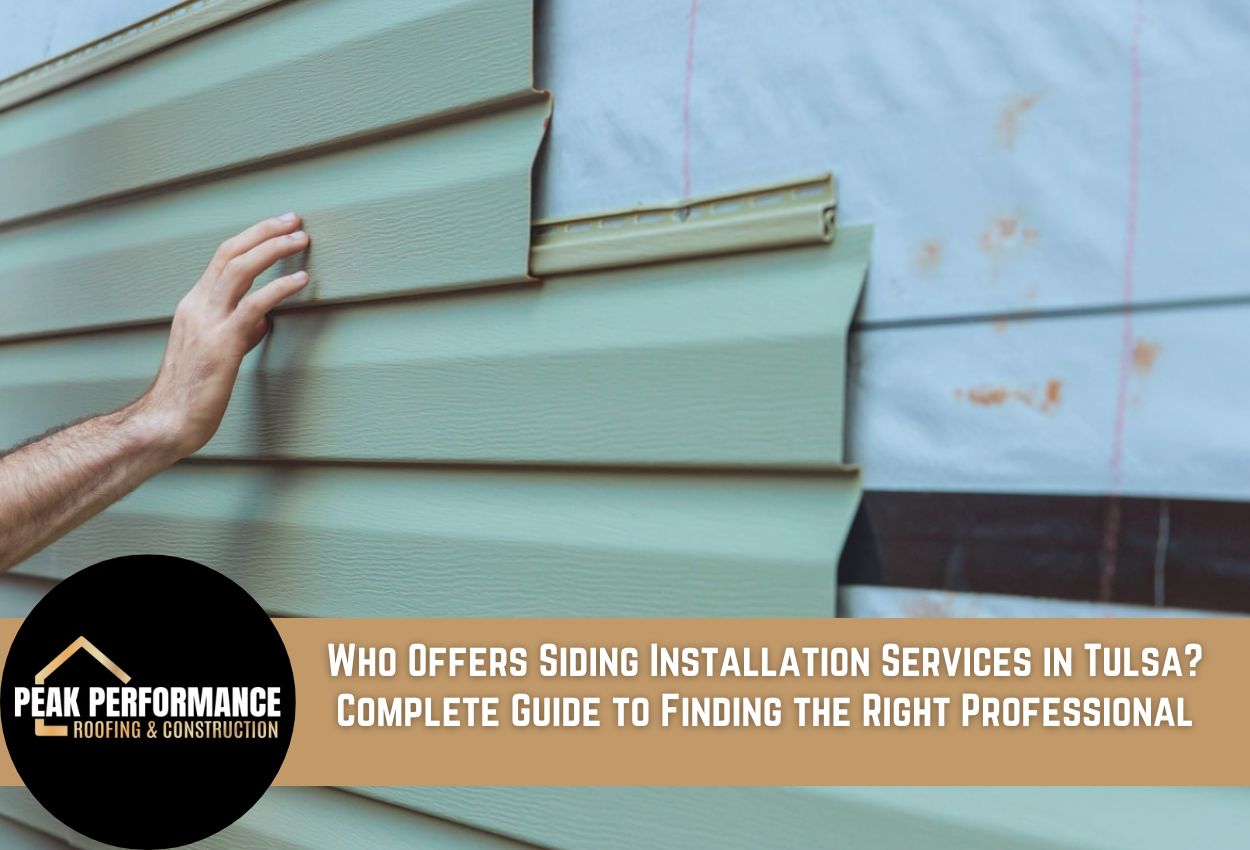
The innovative snap-together installation system represents one of vinyl’s greatest advantages for what siding options are best for installation. These interlocking mechanisms create secure connections without requiring specialized fastening techniques or expensive tools. Professional installers can achieve consistent results while maintaining proper expansion gaps that accommodate thermal movement throughout Oklahoma’s temperature extremes.
The benefits of insulated vinyl siding become particularly evident when comparing gauge measurements and thickness options. Standard vinyl typically ranges from 0.040 to 0.050 inches, with thicker gauges providing enhanced impact resistance and improved dimensional stability. Foam-backed siding installation adds another layer of performance.
Energy-efficient siding materials like insulated vinyl perform exceptionally well against severe weather conditions common throughout the region. The foam backing creates continuous insulation that reduces thermal bridging, while the outer vinyl layer resists hail damage, high winds, and UV degradation. When evaluating insulated siding against traditional siding, homeowners should consider both the immediate installation benefits and long-term energy savings potential that quality vinyl products deliver.
Insulated Siding Benefits That Go Beyond Basic Protection
Insulated siding systems represent a significant advancement in exterior wall protection, combining weather resistance with enhanced thermal performance. These innovative materials incorporate foam backing directly attached to the siding substrate, creating continuous insulation that traditional siding cannot match. The foam backing eliminates thermal bridging while providing additional structural support that improves the durability of the system.
Standard vinyl siding provides minimal insulation value, typically around R-0.6, while foam-backed siding installation can achieve R-values between R-2 and R-5, but it depends on the thickness of the foam. Energy-efficient siding materials with integrated insulation create thermal barriers that reduce heat transfer by up to 20% compared to traditional systems.
Installation considerations for insulated siding products require additional attention to proper alignment and secure fastening techniques. The added thickness requires adjustments around windows, doors, and trim elements to maintain proper proportions and weather sealing. Professional installation becomes particularly important because improper fastening can compress the foam backing, reducing its thermal effectiveness and potentially creating moisture infiltration points.
The enhanced thermal performance of insulated vinyl siding benefits go beyond energy savings to improve indoor comfort levels. These systems reduce temperature fluctuations and eliminate cold spots along exterior walls. When comparing insulated siding and traditional siding, the integrated foam backing also provides superior impact resistance and dimensional stability that maintains appearance and performance over extended service life.
Fiber-Cement Siding for Long-Term Durability
Fiber-cement siding has fantastic longevity and weather resistance that makes it an attractive option for homeowners seeking minimal maintenance requirements. This engineered material combines cement, cellulose fibers, and sand to create a composite that resists fire, insects, and moisture damage while maintaining the natural appearance of wood grain textures. Unlike traditional wood siding that requires regular painting and treatment, fiber cement maintains its appearance for decades with minimal upkeep.
The installation process for fiber cement requires specialized tools and techniques that differ significantly from vinyl applications. Professional installers use carbide-tipped saw blades and dust collection systems when cutting fiber-cement panels to ensure clean edges and safe working conditions. The material’s density and weight necessitate proper structural support and careful handling during installation to prevent cracking or damage.
When evaluating what siding options are best for installation, fiber cement presents unique challenges that require experienced contractors. The cutting process generates silica dust that requires proper safety equipment and ventilation systems, and each panel must be pre-drilled for fasteners to prevent splitting, using proper spacing techniques to accommodate thermal expansion without compromising weather sealing.
Energy-efficient siding materials like fiber cement provide excellent thermal mass properties that help stabilize indoor temperatures. While not offering the same R-value siding comparison benefits as foam-backed siding installation, fiber cement’s density creates thermal stability that reduces temperature fluctuations and enhances the overall energy performance of the building throughout changing weather conditions.
Wood and Engineered Siding Installation Basics
Natural wood siding maintains enduring appeal among homeowners who value authentic texture and timeless appearance that synthetic materials cannot replicate. Cedar, redwood, and pine represent the most popular wood species for residential siding applications, each offering distinct characteristics that influence installation requirements and long-term performance. Cedar naturally resists moisture and insect damage, while redwood provides superior dimensional stability, and pine offers economical alternatives with proper treatment.
Installation methods for natural wood siding require careful attention to moisture management and thermal movement. Proper preparation involves installing moisture barriers and ensuring adequate ventilation behind siding panels to prevent trapped moisture that leads to rot and decay. Sealing becomes critical in Oklahoma’s variable climate conditions, where temperature fluctuations and seasonal moisture changes stress wood materials significantly more than stable environments.
Engineered wood alternatives combine the appearance of natural wood with enhanced durability characteristics that address traditional wood siding limitations. These manufactured products incorporate wood fibers with binding agents and moisture-resistant treatments that improve dimensional stability while reducing maintenance requirements. Engineered wood products typically feature consistent dimensions and pre-finished surfaces that streamline installation processes.
When comparing what siding options are best for installation, engineered wood offers easier handling and more predictable installation outcomes than natural wood. The manufacturing process eliminates knots, splits, and grain irregularities that complicate natural wood installation. While engineered options may not match the R-value siding comparison benefits of energy-efficient siding materials with foam backing, they provide superior moisture resistance and thermal stability compared to traditional wood siding systems.
Metal Siding Options for Modern Home Exteriors
Metal siding systems offer exceptional durability and a contemporary appearance that appeals to homeowners seeking low-maintenance exterior solutions. Aluminum and steel represent the two primary metal siding materials, each delivering distinct advantages for residential applications. Both materials excel in fire resistance, providing superior protection compared to combustible siding options like wood or vinyl, making them particularly valuable in areas prone to wildfire risks or extreme weather conditions.
Aluminum siding benefits include natural corrosion resistance and lightweight properties that simplify handling during installation. The material expands and contracts predictably during temperature changes, requiring specific installation techniques that accommodate thermal movement without compromising structural integrity. Steel siding offers superior impact resistance and dimensional stability, though it requires protective coatings to prevent rust formation in humid environments.
Professional installation techniques for metal siding systems require precise fastening methods that prevent oil-canning and ensure proper thermal expansion accommodation. Installers must maintain consistent spacing between panels and utilize specialized fasteners designed for metal applications. Achieving clean seams and corners needs careful measurement and cutting techniques that preserve protective coatings and prevent moisture infiltration.
The recyclability of aluminum and steel siding makes these materials environmentally responsible choices compared to other energy-efficient siding materials. Both metals provide natural pest protection, eliminating concerns about insect damage that affects wood products. When evaluating what siding options are best for installation, metal siding requires experienced contractors familiar with expansion joint placement and proper fastening techniques that maintain long-term performance and weather resistance throughout Oklahoma’s temperature variations.
Making the Right Siding Choice for Your Home
A comprehensive comparison framework should examine installation difficulty, energy efficiency ratings, maintenance requirements, and expected lifespan to ensure the best material selection for specific property needs and budget considerations.
Installation difficulty varies significantly among different siding materials, with vinyl representing the easiest option for contractors and experienced DIY homeowners. Insulated vinyl siding benefits include straightforward snap-together installation systems that reduce labor time while providing enhanced thermal performance. Foam-backed siding installation requires additional care during handling, but maintains relatively simple installation procedures compared to heavier alternatives like fiber cement or metal systems.
Energy-efficient siding materials should be evaluated using R-value siding comparison charts that demonstrate thermal performance differences. Insulated siding vs. traditional siding reveals substantial energy savings potential, with foam-backed options achieving R-values between R-2 and R-5 compared to conventional materials providing minimal insulation value. These thermal improvements translate to reduced heating and cooling costs throughout Oklahoma’s temperature extremes.
Discover the Best Siding Options for Your Oklahoma Home with Peak Performance Roofing & Construction
Choosing the right siding for your home is crucial for both aesthetic appeal and long-term durability, especially in Oklahoma’s unique climate. At Peak Performance Roofing & Construction, we understand the importance of selecting siding that not only is easy to install but also stands up to the weather and enhances your home’s energy efficiency. Whether you’re considering the low-maintenance appeal of vinyl siding, the superior insulation benefits of foam-backed options, or the robust protection of fiber cement, we are here to help.
Each material offers distinct advantages, such as the easy snap-together installation of vinyl siding and the high R-value of insulated siding for better energy conservation. Not sure which siding is best for your home? Let the experts at Peak Performance Roofing & Construction guide you through the options most suitable for your needs and local climate conditions. Don’t compromise on quality or convenience. Call us today at (918) 694-1483 to ensure your home not only looks great, but is protected for years to come.