 (918) 694-1483
 Metal vs. Synthetic Roofs: Which Investment Lasts Longer for Your Home?
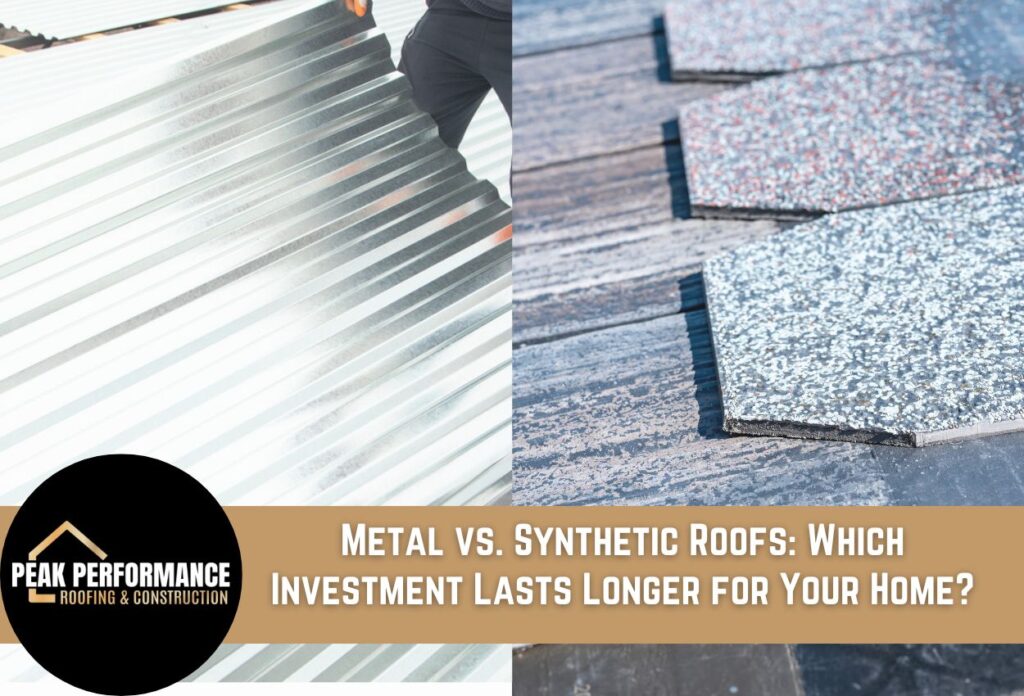
Choosing the right roofing material can determine whether homeowners enjoy decades of protection or face frequent repairs and replacements. A metal vs. synthetic roof lifespan comparison reveals significant differences that impact both long-term value and peace of mind.
Metal roofing systems typically last 40 to 70 years, while synthetic materials generally provide 25 to 50 years of protection. But the numbers tell only part of the story, as the lifespan of these options varies considerably based on material quality and environmental conditions.
Several critical factors influence how long different roofing materials will shield homes from the elements. For example, weather exposure, installation quality, and maintenance requirements all determine the actual performance.
Metal roof durability vs. synthetic materials is particularly important when considering Oklahoma’s severe weather patterns, including hailstorms, high winds, and extreme temperature swings. Knowing their main differences helps homeowners select the best long-lasting roofing materials for their specific situation.
However, the decision between metal and synthetic roofing extends beyond initial installation considerations, as maintenance needs, weather resistance, and long-term performance create distinct advantages and challenges for each material type.
Metal Roofs: Longevity and Performance Over Decades
Metal roofing systems stand out among the best long-lasting roofing materials, typically delivering 40 to 70 years of reliable protection. Steel roofs last approximately 40 to 60 years, while aluminum systems can reach 50 to 70 years. Premium copper and zinc installations often exceed 100 years with proper care.
This exceptional durability stems from their resistance to common roofing problems. Metal panels resist fire, insects, rot, and mildew while maintaining their integrity through extreme weather conditions. Their interlocking design and thermal expansion properties allow them to withstand high winds and temperature fluctuations without cracking or splitting.
Each metal type available has different characteristics along with varying lifespans. Galvanized steel provides cost-effective durability, while Galvalume coatings extend the lifespan through superior corrosion resistance. Aluminum excels in coastal environments due to its natural rust resistance, making it ideal for areas with high humidity or salt exposure.
Metal roof maintenance requirements are minimal compared to other materials. Annual inspections, gutter cleaning, and occasional fastener tightening typically suffice to maintain peak performance. This low-maintenance nature contributes significantly to their extended lifespan.
Weather resistance is another key factor in metal roof longevity. These systems shed snow and ice effectively, resist hail damage, and maintain their protective qualities through decades of seasonal temperature changes that would deteriorate other roofing materials.
Synthetic Roofing Materials: Lifespans and What to Expect
Synthetic roofing materials have improved significantly over the years, offering homeowners durable alternatives to traditional options. Synthetic shingles typically last from 25 to 50 years, depending on material composition and quality. Premium composite shingles made from polymer blends often reach the higher end of this range, while basic synthetic materials may require replacement sooner.
Rubber roofing systems, including EPDM membranes, generally last 20 to 30 years with proper installation and maintenance. These single-ply systems excel in flat or low-slope applications but face challenges from punctures and seam failures over time. TPO and PVC synthetic membranes offer similar lifespans while providing enhanced UV resistance and energy efficiency.
Composite materials represent the most advanced synthetic roofing technology, combining recycled materials with polymers to create impact-resistant shingles. These roofing materials often carry warranties of 30 to 50 years and demonstrate superior performance against hail, wind, and temperature extremes compared to earlier synthetic options.
Recent technological improvements have dramatically enhanced synthetic material durability. Advanced UV stabilizers prevent premature aging, while improved polymer formulations resist cracking and splitting. Many modern synthetic products now feature enhanced fire ratings and Class 4 impact resistance, addressing previous performance limitations.
When evaluating metal roofs vs. synthetic materials, synthetic options offer advantages in weight reduction and installation flexibility. However, their performance still varies depending on weather exposure and manufacturing quality, making careful product selection essential for maximizing lifespan expectations.
Maintenance Requirements That Impact Roof Lifespan
Proper care plays a crucial role in determining whether roofing materials reach their lifespan potential. Metal roof maintenance requirements differ significantly from synthetic materials, affecting long-term performance and replacement timing for homeowners.
Metal roofing systems require minimal but consistent maintenance to achieve their full lifespan potential. Essential tasks include annual inspections to check for loose fasteners, sealant degradation around vents and chimneys, and debris accumulation in valleys or gutters. Touch-up painting every few years helps prevent corrosion, while keeping drainage systems clear prevents water pooling that could compromise panel integrity. These straightforward metal roof maintenance requirements contribute significantly to their superior durability.
Synthetic roofs need more frequent attention to maximize their lifespan. Regularly inspecting cracked or missing shingles is critical, as damaged pieces allow moisture into the roof structure and accelerate deterioration. Cleaning algae and moss growth prevents premature aging, while ensuring proper ventilation helps regulate temperature extremes that stress synthetic materials. Prompt replacement of worn flashing and sealants protects vulnerable areas like valleys, roof edges, and around chimneys.
Neglecting maintenance significantly reduces the performance gap between long-lasting roofing materials and standard options. Well-maintained synthetic systems can approach their maximum lifespan potential, while poorly maintained metal roofs may fail decades before expected. This maintenance factor becomes particularly important when evaluating total ownership costs and long-term value for different roofing material choices.
Environmental Factors That Affect Roofing Material Durability
Oklahoma’s challenging climate creates unique stresses that significantly impact how both metal and synthetic roofing materials perform over their expected lifespans. Understanding these environmental factors helps homeowners choose the best long-lasting roofing materials for their specific location.
Hail represents one of the most severe threats to roofing systems in Oklahoma, with storms producing golf ball-sized or larger hailstones multiple times per season. Metal roofs demonstrate superior impact resistance, typically showing only cosmetic denting without compromising protective integrity. A synthetic shingle roof’s lifespan often shortens dramatically after major hail events, as impact damage creates cracks that allow moisture in and accelerate material breakdown.
High winds accompanying severe thunderstorms test the structural attachment of all roofing materials. Metal panels’ interlocking design and mechanical fastening systems provide excellent wind resistance, often exceeding 120 MPH ratings. Synthetic materials rely on adhesive strips and nails, which can fail under sustained winds, leading to progressive damage that reduces the overall system’s lifespan.
Additionally, extreme temperature fluctuations between scorching summers and freezing winters create thermal stress that affects materials differently. Metal systems typically expand and contract uniformly, while synthetic materials may crack or split under repeated temperature extremes.
UV exposure from intense Oklahoma sunshine breaks down synthetic material polymers over time, causing brittleness and color fading. Metal roof maintenance requirements remain minimal under UV exposure, as properly coated systems resist degradation for decades while maintaining their protective and aesthetic properties throughout their extended service life.
For homeowners, considering the weather conditions in the area is crucial to ensure your new roof will protect your home for decades to come.
Long-Term Value Comparison Between Metal and Synthetic Options
Along with general lifespan estimates, it is essential to understand additional factors that impact the overall value of a metal vs. a synthetic roof. Replacement frequency creates the most significant difference in the long-term investment between these materials. Metal roofing systems typically require replacement once every 50 to 70 years, while synthetic materials need replacement every 20 to 40 years. This timing difference means homeowners may replace a synthetic roof twice during the lifespan of a single metal installation.
The replacement cycle impacts total ownership costs beyond material expenses. Each roof replacement involves labor, disposal fees, and potential structural upgrades that accumulate over decades.
Energy efficiency benefits also vary considerably between material types and directly affect long-term value through utility savings. Metal roofs reflect solar radiation effectively, reducing air conditioning usage during hot summers. Cool roof coatings can enhance this performance further, creating energy savings that compound annually. Many synthetic materials are reflective, but not at the rate of metal roofs.
Protective coating options extend the lifespan of both material types but offer different benefits. Metal roofing coatings provide protection against rust and enhanced reflectivity that maintains performance for decades. Synthetic material coatings focus primarily on UV protection and algae resistance, helping these systems approach their maximum lifespan potential. However, even with protective treatments, synthetic materials rarely match the longevity of properly maintained metal systems.
These factors combine to create distinct long-term value propositions that extend well beyond initial installation considerations.
Deciding Between a Metal and Synthetic Roof
Selecting between metal and synthetic roofing means looking at specific property needs, building characteristics, and environmental conditions. This decision determines decades of protection and maintenance obligations, making a thorough assessment essential for optimal long-term results.
Building type significantly influences material suitability and performance expectations. Steep-slope residential applications favor both metal and synthetic options, while low-slope commercial buildings often perform better with synthetic membrane systems. Structural load capacity also affects choices, as metal roofs’ lighter weight is preferred over heavier membranes in many cases.
As mentioned above, local climate conditions directly impact which materials deliver a long-lasting performance. Oklahoma’s severe weather patterns, including hail, high winds, and temperature extremes, typically favor metal roofs over synthetic materials. However, specific microclimates and property orientation may influence these general guidelines, requiring a site-specific evaluation.
Professional roofing contractors provide essential expertise in matching materials to specific situations and budget constraints. Experienced professionals assess structural requirements, local building codes, and environmental factors to recommend appropriate systems. They also evaluate metal roof maintenance requirements vs. synthetic materials to help property owners understand long-term obligations.
Working with qualified contractors ensures homeowners choose the right material based on realistic lifespan expectations and actual performance data rather than manufacturer claims alone. This professional guidance helps property owners make a final decision that optimizes protection, durability, and value for their specific needs.
Choose Peak Performance Roofing & Construction for Lasting Roof Solutions
Deciding between metal and synthetic roofing materials for your home in Oklahoma? It’s crucial to consider not only the initial investment but also the long-term value and durability under local weather conditions. Metal roofs, known for their exceptional lifespan and minimal maintenance, might be your best bet if you value longevity and reliability. On the other hand, modern synthetic materials offer improved resistance to UV rays and moisture, making them a viable option as well.
At Peak Performance Roofing & Construction, we understand the importance of a reliable, long-lasting roof. Our experts are here to guide you through the selection process, ensuring that you choose the best material suited to your specific needs and budget. Don’t wait for the next big storm to test your roof. Call us today at (918) 694-1483 to keep your home protected with the best roofing solutions available.
Related Articles
-
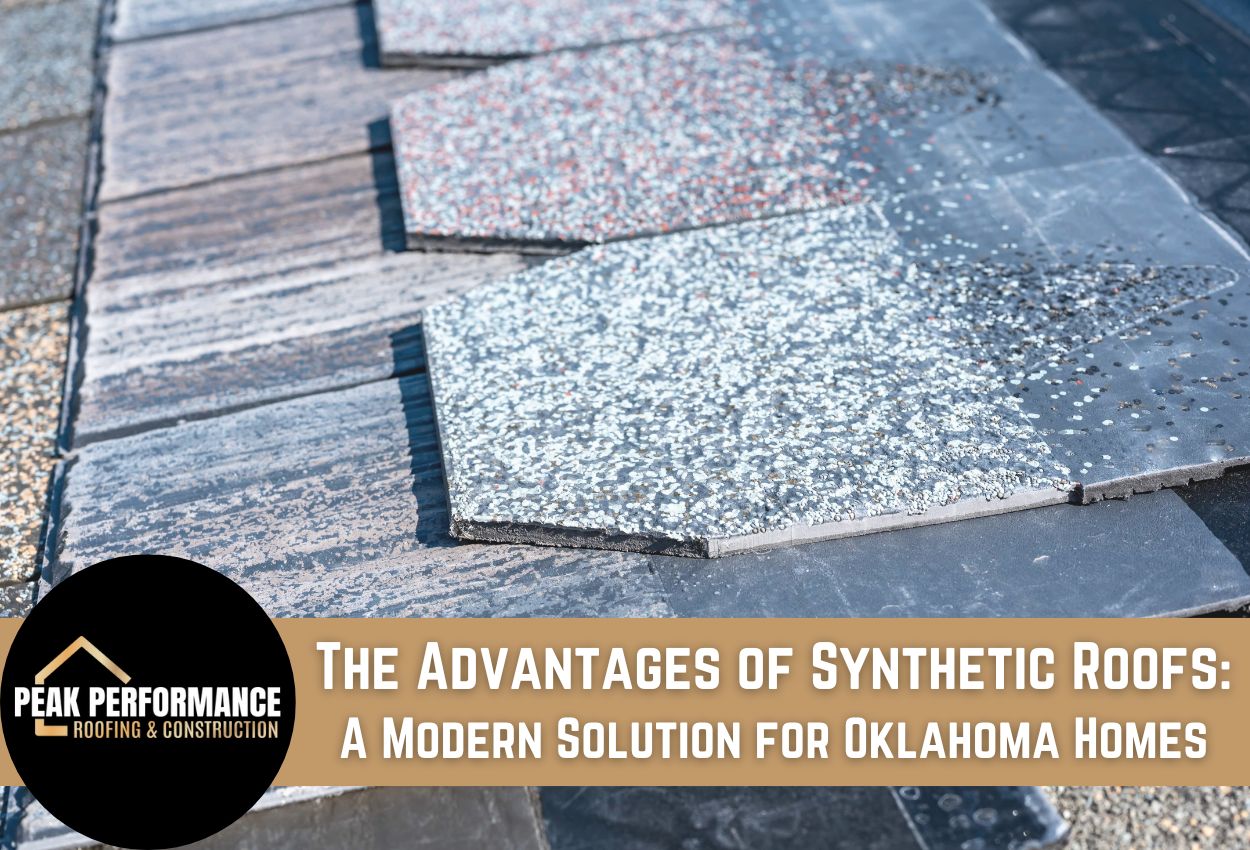 April 29, 2025What are the Advantages of Synthetic Roofs for Oklahoma Homes?Synthetic roofs offer durability, weather resistance, and style—see why homeowners are switching.
 -
 January 9, 2026Choosing Roof Underlayment for Metal Roofs: A Selection GuideChoosing roof underlayment for a metal roof? Compare synthetic vs. felt, consider climate, and get installation tips.
 -
 November 7, 2025Understanding Synthetic Roofs: Your Guide to Modern Roofing SolutionsCurious about synthetic roofs? Explore durable, low-maintenance options that mimic natural materials.
Protect Your Home with Expert Roofing
Don’t wait for leaks or storm damage to cause costly repairs. Our experienced roofing team provides fast, reliable service, high-quality materials, and lasting results. Ensure your home stays safe, secure, and looking great—contact us today for a free estimate.