 (918) 694-1483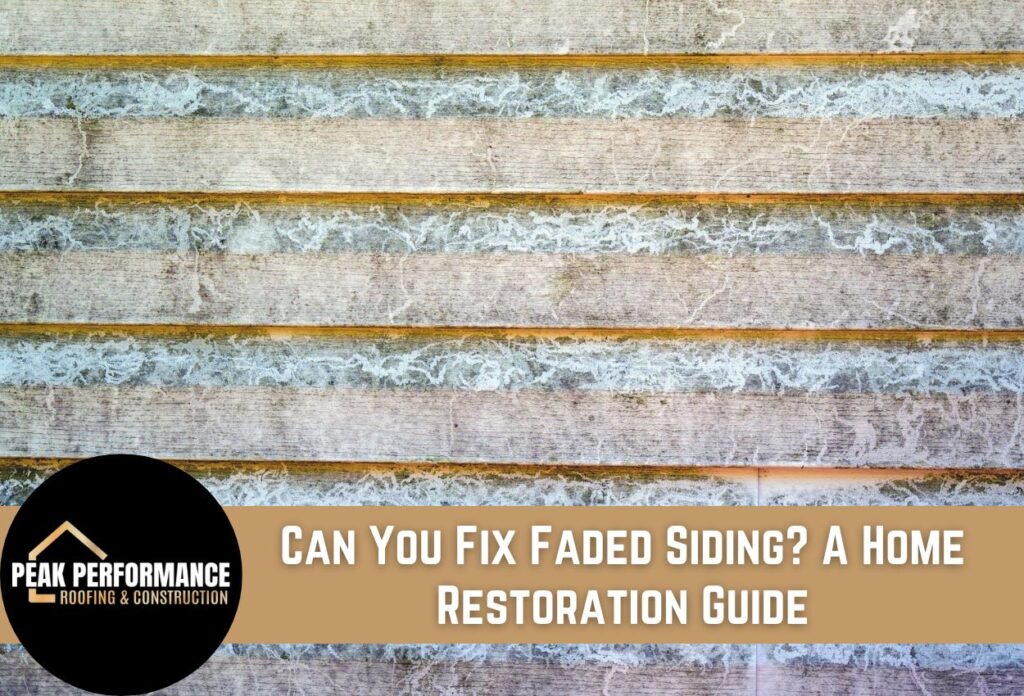

Faded siding is one of the most common exterior problems homeowners face, leaving once-vibrant homes looking tired and weathered. The good news is that faded siding can often be restored to its former beauty without the expense of a complete replacement. Understanding siding restoration methods and available options helps determine the best approach for your specific situation.
Siding fades primarily due to constant UV exposure from sunlight, which breaks down the color pigments in the material over time. Weather like rain, wind, and temperature fluctuations quicken this process, while the natural aging of materials just makes the problem worse. Signs that your siding needs attention include noticeable color differences between shaded and sun-exposed areas, chalky residue on the surface, and an overall dull appearance.
Vinyl siding fading repair represents the most common restoration challenge, though wood, fiber-cement, and aluminum siding also experience similar issues. Several weathered siding solutions exist, ranging from thorough cleaning and color restoration treatments to protective coatings that prevent future fading. The key to successful siding color restoration lies in properly assessing the extent of damage and choosing the appropriate restoration technique.
Determining whether your siding can be restored depends on factors like material type, age, and severity of fading, making proper evaluation essential before beginning any restoration project.
Assessing Your Siding’s Condition Before Starting Any Restoration Work
Before attempting any siding restoration methods, conducting a thorough inspection determines whether restoration will be successful or if replacement is necessary. Start by examining the entire exterior during daylight hours, looking for areas where fading is most severe and checking for structural issues like cracks, warping, or loose panels that could compromise restoration efforts.
Different siding materials respond uniquely to fading and restoration approaches. Vinyl siding typically shows uniform fading and responds well to cleaning and specialized restoration products. Wood siding may require additional preparation, like sanding, before applying new stains or paints. Fiber-cement siding often maintains its structural integrity despite color changes, making it an excellent candidate for repainting. Aluminum siding can develop chalking that must be properly removed before any fading repair techniques are applied.
During inspection, pay attention to areas that receive the most sun exposure, typically south and west-facing walls. These sections usually show the most significant color deterioration. Document the condition with photographs and note any areas where the original color remains protected under overhangs or behind vegetation.
Check for signs of moisture damage, mold, or mildew that could indicate underlying problems requiring attention before beginning. Professional assessment may be necessary when structural concerns are present.
DIY Cleaning Methods That Can Dramatically Improve the Appearance of Faded Siding
Proper cleaning often reveals surprising improvements in appearance before applying additional treatments. Many homeowners discover that what appears to be severe fading is a combination of surface dirt, mildew, and oxidation that responds well to thorough cleaning with the right techniques and products.
Basic household cleaning solutions can effectively deal with stuck-on grime and dirt. A mixture of warm water and mild dish soap removes general messes, while adding white vinegar helps tackle mildew and surface stains due to its higher acidity. For stubborn discoloration, oxygen bleach provides a gentler alternative to chlorine bleach, safely lifting embedded dirt without damaging siding materials. Specialized siding cleaners formulated for specific materials offer enhanced results, particularly for faded siding repairs where chalky oxidation has accumulated over time.
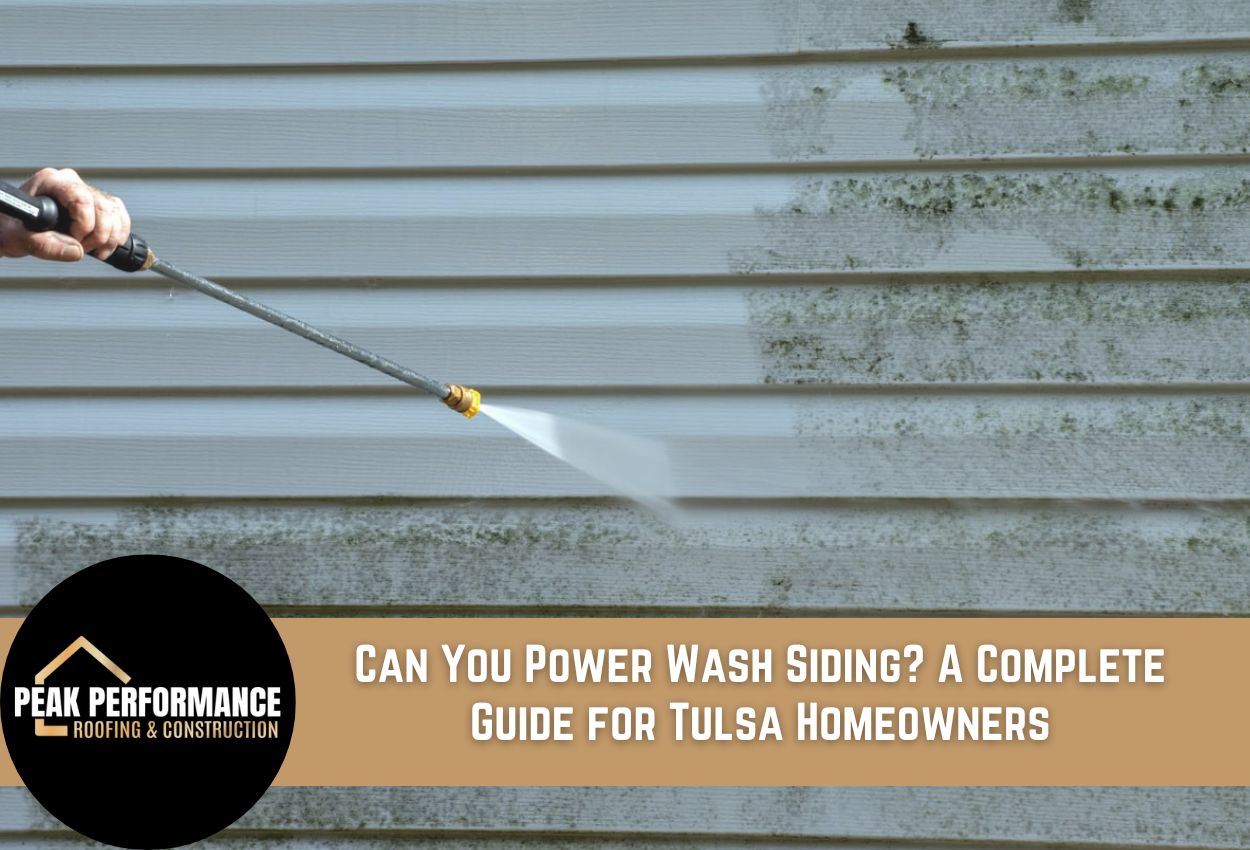
Essential equipment includes a soft-bristled brush, a low-pressure garden hose (or pressure washer set to gentle settings), safety goggles, and rubber gloves. Work from bottom to top in manageable sections, allowing the cleaning solution to soak in for several minutes before scrubbing gently. Rinse thoroughly from top to bottom to prevent streaking and water spots that can interfere with later restoration steps.
The cleaning process reveals the true condition of siding and determines which restoration technique you’ll need to use. Areas that brighten significantly during cleaning indicate excellent potential for additional siding restoration methods, while sections showing minimal improvement may require more intensive treatments or professional intervention.
Professional Restoration Techniques for Severely Faded Siding
When cleaning alone cannot achieve your desired results, restoration techniques are the next step to getting your home back in shape. These advanced siding restoration methods address deep color loss and provide long-lasting protection that extends the life of exterior materials beyond basic maintenance.
Paint and stain application is the most transformative approach for different materials. Wood siding benefits from high-quality exterior stains that soak into the surface while allowing natural grain patterns to show through, or solid-color stains that provide complete coverage similar to paint. Fiber-cement siding can accept premium acrylic latex paints exceptionally well, offering decades of protection when properly applied (with the appropriate primers). Aluminum siding requires specialized primers designed for metal surfaces before applying topcoat paints that resist chalking and fading.
Faded siding repairs have specific challenges since traditional paints may not adhere properly or could cause warping from heat absorption. Professional-grade vinyl restoration products specifically address these concerns without conventional painting. Color restoration solutions penetrate the vinyl surface, revitalizing original pigments while adding UV-resistant compounds that prevent future deterioration. These specialized treatments maintain the material’s flexibility and breathability while dramatically improving appearance.
Surface preparation is one of the most important steps for all weathered siding solutions, including light sanding for wood materials, thorough degreasing for aluminum, and oxidation removal for vinyl. Professional contractors have the expertise to select appropriate products and application methods that ensure the best adhesion and longevity for each specific siding color restoration project.
Preventive Measures to Stop Your Siding from Fading
Once siding restoration methods have successfully revitalized your home’s exterior, implementing protective measures becomes an important step for maintaining the renewed appearance and preventing future deterioration. Weathered siding restoration solutions pay long-term dividends when combined with proactive protection strategies that address the root causes of fading and weather damage.
Protective coatings specifically designed for different siding materials create a barrier against UV radiation, the primary cause of color fading. These specialized treatments contain advanced UV inhibitors that absorb and reflect harmful rays before they can break down color pigments in the restored surface. For vinyl siding repair projects, protective sealers maintain the restored finish while preserving the material’s natural flexibility. Wood siding benefits from clear protective topcoats that shield underlying stains or paints from moisture and sun exposure without altering the appearance achieved through siding color restoration efforts.
Regularly scheduled maintenance can prevent minor issues from turning into larger problems that need more extensive restoration. Seasonal inspections identify early signs of wear, allowing for quick attention before damage spreads. Spring cleaning removes winter debris and salt deposits, while fall preparation ensures proper drainage and ventilation around siding materials. Monthly visual checks during peak sun exposure help detect changes in the uniformity of color or surface condition that might indicate the need for touch-up treatments.
Simple preventive care practices significantly extend restoration results, including trimming vegetation that holds moisture against siding surfaces and ensuring proper ventilation prevents trapped humidity that accelerates deterioration.
When to Call Professionals vs. Handling Restoration Yourself
Deciding between DIY approaches and professional services for siding restoration depends on several key factors, including the extent of damage, safety considerations, and the complexity of required repairs. While basic cleaning and minor touch-ups often fall within a homeowner’s capabilities, certain situations demand professional expertise to achieve lasting results and avoid expensive mistakes that could make existing problems worse.
Professional intervention becomes necessary when structural damage accompanies fading, such as loose panels, significant warping, or leaks behind the siding. These issues require specialized knowledge of building envelope systems and proper repair techniques that ensure weatherproofing and structural integrity. Faded vinyl siding repairs covering large surface areas benefit from professional equipment and experience, particularly when color matching across different batches or manufacturing periods presents challenges.
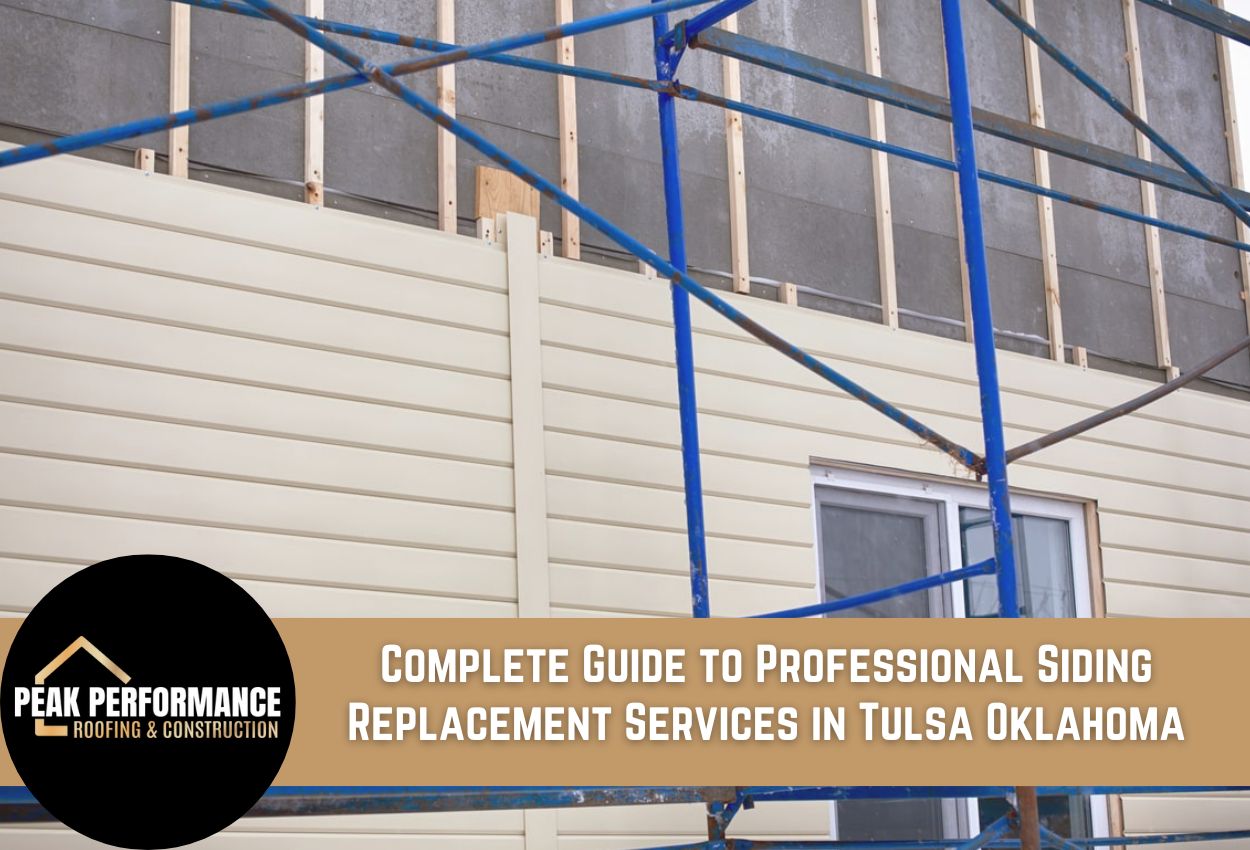
Safety concerns also dictate professional involvement, especially for multi-story homes requiring ladders or scaffolding. Working at heights with cleaning chemicals or restoration products increases the risk of injury for inexperienced individuals. Professional contractors have the proper safety equipment, insurance coverage, and training to handle elevated work safely while delivering consistent results across all areas of the home.
When working with siding restoration contractors, you should expect an evaluation process that includes material identification, damage assessment, and detailed treatment recommendations. Professional assessments typically identify underlying issues that homeowners might overlook, ensuring that weathered siding solutions address the root causes rather than just surface symptoms. Project timelines vary based on size and weather conditions, but most residential siding color restoration projects require several days to complete properly, including surface preparation, treatment application, and quality inspections.
Long-Term Benefits of Restoring Faded Siding for Your Home
Investing in siding restoration provides substantial long-term advantages that extend far beyond simple appearance improvements. Properly executed weathered siding solutions create lasting value through enhanced property protection, increased curb appeal, and significant financial benefits that compound over time. Understanding these advantages helps homeowners make informed decisions about their exterior maintenance investments.
Restored siding improves the overall look of your home, creating an immediate visual transformation that makes it appear newer and better maintained. This enhanced appearance often translates directly into increased property value, with real estate professionals noting that well-maintained exterior siding contributes significantly to positive first impressions during property showings. Vinyl siding fading repair and other restoration techniques cost considerably less than a complete replacement while achieving similar visual results, making restoration a cost-effective approach to property improvements.
Beyond aesthetic benefits, successful siding color restoration provides structural protection for your home. Restored siding creates an effective barrier against moisture infiltration, preventing expensive damage to underlying sheathing, insulation, and framing materials. This protective function becomes increasingly important as homes age and weather exposure accumulates over time.
The longevity of different restoration approaches varies significantly based on the materials and methods used. Professional-grade treatments typically provide 8 to 15 years of protection, while quality paint applications on wood or fiber-cement siding can last between 12 to 20 years with proper maintenance. Simple cleaning and maintenance can potentially add to the low end of your siding’s lifespan, ensuring it hits its peak and allowing you to effectively budget for an eventual replacement.
Revitalize Your Home with Peak Performance Roofing & Construction
If you’re noticing that your home’s siding has lost its vibrant color and looks weathered, it might be time to consider professional restoration services. At Peak Performance Roofing & Construction, we specialize in bringing faded siding back to life. Whether it’s vinyl, wood, fiber cement, or aluminum, our expert team has the knowledge and tools to effectively restore your siding, enhancing your home’s curb appeal and protecting it from future damage.
Call us today at (918) 694-1483 to schedule a consultation and learn more about our siding restoration methods and how we can help you achieve long-lasting results. Ensure your home looks its best with professional siding restoration from Peak Performance Roofing & Construction.