 (918) 694-1483
 What Should You Do Right Now If Your Roof Is Leaking During Heavy Rain in Tulsa?
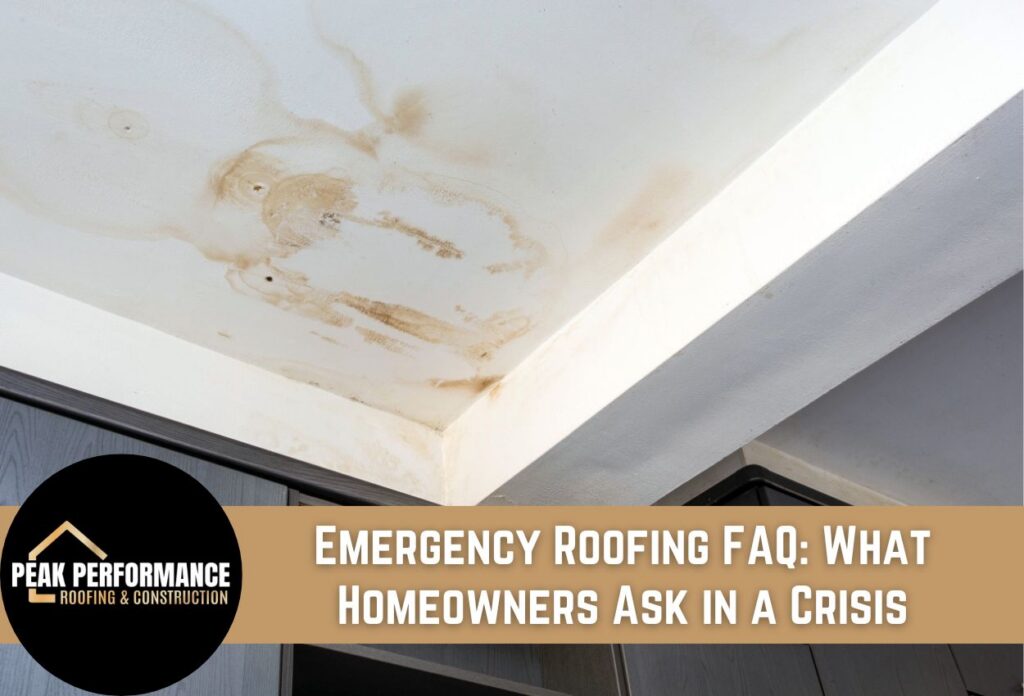

Move valuables, contain the water, find the interior leak point, then call a 24/7 emergency roofer in that order. Tulsa averages about 40 inches of rain annually and sits in one of the most active severe thunderstorm corridors in the country. When a storm hits hard, a roof can go from fine to actively leaking in minutes.
Here are the four steps to take right now:
1.) Move furniture, electronics, and valuables away from the wet area.
2.) Place buckets or towels to contain standing water.
3.) Identify where water is entering inside the home.
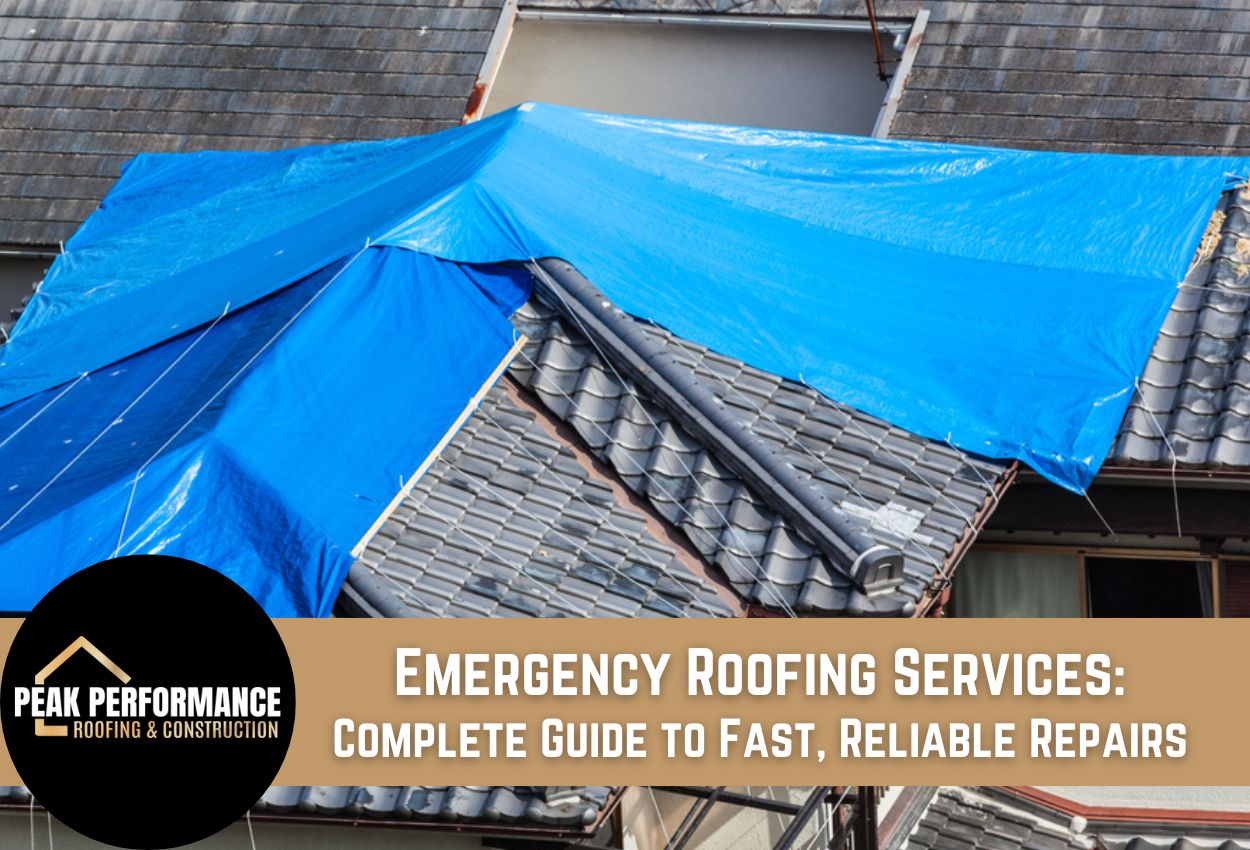
4.) Call a 24/7 emergency roofing crew. A reputable Tulsa-area emergency team can typically deploy temporary tarping within 2 to 4 hours of your call, stopping additional water from getting in while permanent repairs are arranged.
*Please note, price ranges listed in this article may not reflect the final cost of your project. Prices are subject to change based on various factors such as local labor rates, material quality, and more. All costs established in this article are rough estimates based on average industry rates.
What Does Emergency Roof Repair Actually Cost in Tulsa?
Emergency roof repair in Tulsa typically runs $300 to $6,000+, depending on how much damage the storm left behind. The table below breaks down the four most common emergency repair types, typical cost ranges, and how long each one generally takes to complete.
| Repair Type | Typical Cost Range | Average Time to Complete |
|---|---|---|
| Emergency tarp installation | $300 to $600 | 1 to 3 hours |
| Minor leak or flashing repair | $400 to $900 | 2 to 4 hours |
| Moderate storm damage repair | $900 to $2,500 | 4 to 8 hours |
| Full section replacement | $2,500 to $6,000+ | 1 to 2 days |
After-hours or weekend emergency dispatch typically adds a $150 to $300 surcharge on top of standard labor rates. Most Tulsa roofing contractors charge $75 to $120 per hour for roofing labor, so calls made late at night or on Sundays will cost more than the same work done on a weekday morning.
Final cost also depends on roof pitch, total damage extent, and material type. Architectural shingles, the most common replacement material used in Tulsa, run $100 to $250 per square for materials. Steeper roofs and larger damaged sections push costs toward the top of every range shown above.
Can You Temporarily Fix a Roof Leak Yourself, and Is It Safe?
Some indoor steps are safe for homeowners to handle, but exterior work on a wet or steep roof carries real injury risk and should be left to a professional. Here is a clear breakdown of what falls into each category.
DIY steps that are safe to attempt indoors
- Place buckets or towels under the drip point: This contains water fast and protects flooring and subfloor materials while you wait for a crew to arrive.
- Apply roofing tape to accessible interior roof decking: Peel-and-stick flashing tape pressed against exposed roof decking from inside the attic can create a 24 to 72-hour temporary seal, enough time to get a roofer scheduled.
- Move insulation away from wet areas: Wet insulation holds moisture against wood and speeds up rot and mold growth. Pulling it back from soaked sections limits secondary damage.
Actions that require a professional
- Walking a wet steep-slope roof: Wet asphalt shingles reduce slip resistance by approximately 40%, and OSHA fall protection requirements begin at 6 feet for residential roofing work. That combination makes exterior DIY work during or right after rain especially dangerous.
- Applying an exterior tarp on a roof pitched over 6:12: A 6:12 pitch creates a noticeable angle that is difficult to stand on safely without harness equipment and proper anchor points.
- Repairing flashing near HVAC gaps: These areas involve overlapping layers and sealed mechanical connections. An incorrect repair here can create new leak paths and void equipment warranties.
One more note on roofing cement and peel-and-stick tape: both lose adhesion above 90 degrees Fahrenheit, which matters in Tulsa, where summer highs regularly reach the upper 80s to low 90s. Any self-applied temporary fix should be treated as a short-term patch only, not a permanent solution, and a licensed roofer should inspect the area within 24 to 72 hours.
How Long Does Emergency Roof Repair Take From First Call to Finished Work?
Emergency mitigation tarping and stopping active water entry can happen within 2 to 4 hours of your call, but permanent repair takes anywhere from 3 to 10 business days under normal conditions. Those are two very different timelines, and understanding the difference protects your home and your budget.
Here is how the process breaks down from the first call to finished work:
- Phase 1 Emergency Response (2 to 4 hours): A crew deploys, installs a temporary tarp or stop-gap seal, and stops active water entry. This phase is about damage control, not permanent repair.
- Phase 2 Damage Assessment and Insurance Documentation (same day to 48 hours): A full inspection documents the damage with photos and measurements. This step feeds directly into an insurance claim, so accuracy matters.
- Phase 3 Permanent Repair Scheduling (3 to 10 business days): Scheduling depends on contractor backlog and material availability. Both can shift fast after a major storm.
After a widespread Tulsa-area storm, surge demand can push permanent repair timelines out by 2 to 4 additional weeks as contractors work through a backlog of calls across the metro. That is exactly why same-day tarping is not optional. Roof decking left wet for more than 24 to 48 hours risks mold initiation, which adds $500 to $3,000 in remediation costs on top of the original repair. Getting a tarp down fast is the single best way to keep that secondary damage from showing up on your final bill.
If a storm has already hit your area, do not wait to see whether your roof held. Call a reputable Tulsa roofing contractor like Peak Performance Roofing & Construction to get emergency storm damage response started before the backlog builds.
Will Homeowners Insurance Cover Emergency Roof Damage in Oklahoma?
Most standard HO-3 homeowners insurance policies cover sudden storm-caused roof damage, wind, hail, and fallen tree limbs, but exclude gradual wear, pre-existing deterioration, and neglected maintenance. Oklahoma ranks in the top 5 states nationally for hail claim frequency, so knowing exactly what your policy covers before a storm hits is especially important for Tulsa homeowners.
Before any repair work begins, complete these four documentation steps:
- Photograph damage from ground level and inside the home: Capture both exterior damage and any interior water intrusion right after the storm, ideally within the first hour or two. Time-stamped photos are harder to dispute during the claims process.
- Record the date and storm: Note the exact date, time, and storm type (hail, high winds, tornado activity). A weather service report for your ZIP code can support your claim if the insurer questions the cause.
- Request a written damage assessment from your roofing contractor: A written assessment from a licensed contractor documents scale and severity in terms that insurers recognize, and it separates new storm damage from any pre-existing wear.
- Notify your insurer within 24 to 48 hours: Most Oklahoma HO-3 policies require fast notification after a loss. Waiting longer can complicate or delay claim approval.
Emergency tarping and mitigation costs are generally reimbursable under most Oklahoma HO-3 policies as “reasonable measures to prevent further damage.” Wind and hail deductibles in Oklahoma typically range from $1,000 to $2,500, or 1% to 2% of the insured dwelling value. Confirm your specific deductible before assuming full coverage applies. Getting documentation in order before any repair work starts is the single most important step in protecting your claim.
How Much More Will a Roof Emergency Cost You If You Wait?
Delaying action on a roof emergency can add $300 to $10,000+ in secondary damage costs on top of whatever the original repair would have cost. The table below shows exactly how fast those added costs climb based on how long a homeowner waits.
| Delay Window | Secondary Damage Risk | Estimated Added Cost |
|---|---|---|
| Same-day action | Minimal damage contained | $0 added cost |
| 24-hour delay | Wet roof decking begins absorbing moisture | $300 to $800 added |
| 48 to 72 hours | Roof deck replacement likely; mold possible | $1,200 to $3,500 added |
| 1+ week | Structural framing damage; mold remediation required | $3,500 to $10,000+ added |
OSB roof decking, the most common roof deck material in post-1980 Tulsa suburban homes, begins to delaminate after approximately 48 hours of sustained moisture exposure. That single change can convert a shingle repair into a full roof deck replacement and increase total costs by 60% to 80%. Acting within the first few hours is the most direct way to keep a manageable repair from turning into a major project.
There is also an insurance angle worth knowing. Insurers may reduce or deny claims if documented evidence shows the homeowner failed to take reasonable steps to stop further damage quickly. The same documentation process outlined in the previous section applies here. Fast action protects both your home and your claim.
Ready to Stop the Damage? Here’s How to Reach Tulsa’s Emergency Roofing Team
Acting within the first few hours can be the difference between a manageable repair and $3,500 to $10,000+ in secondary damage, and Peak Performance Roofing & Construction is available 24/7 to help Tulsa homeowners stop that clock fast. Whether there is an active leak, missing shingles after a storm, or damage that needs insurance documentation, the team provides same-day tarping and a full damage assessment as part of the emergency response.
Emergency dispatch is available across the Tulsa metro, and insurance claim documentation support is included, with no extra step required.
Request a same-day assessment.
Not ready to schedule? Learn more about emergency roof repair and tarping services.