
 (918) 694-1483
 Emergency Roofing Services in Tulsa, OK: What to Do, Who to Call & What It Costs
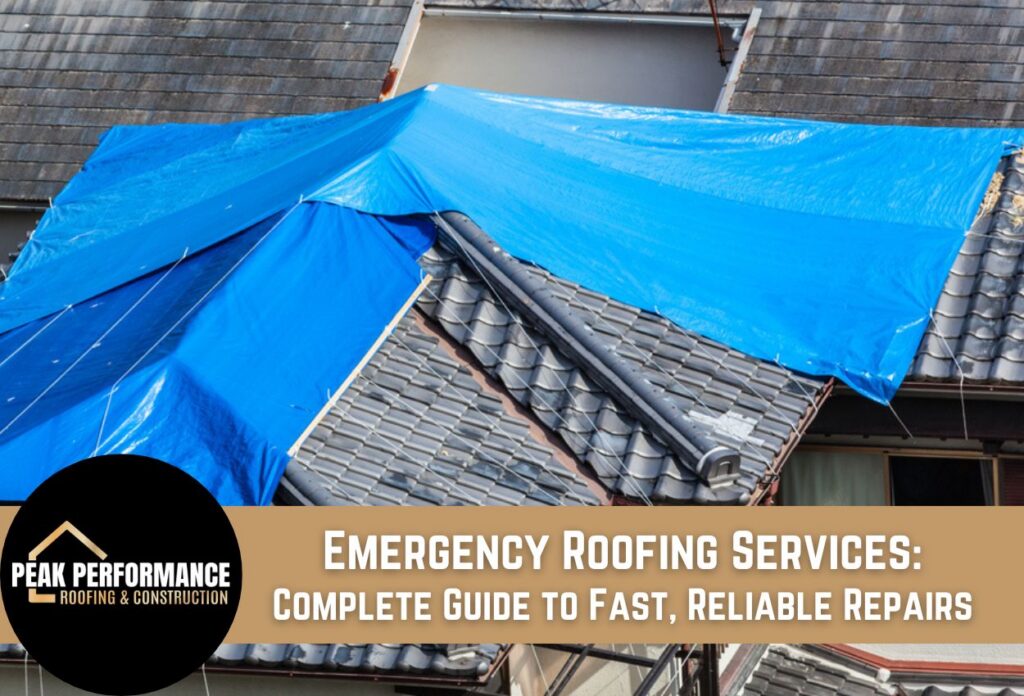
Emergency roofing service is any unplanned, time-sensitive repair or stabilization needed to stop water from entering your home or business after storm damage, a fallen branch, or a sudden roof failure, and in Tulsa, where severe thunderstorms and hail strike most often between April and June, fast action within the first 24 to 48 hours can prevent thousands of dollars in additional interior damage.
Emergency roofing is different from a scheduled repair or full replacement. A scheduled job gets planned days or weeks out. Emergency work happens now, with tarping a hole, sealing a breach, or stopping active water intrusion before rain returns. The goal is stabilization, not a finished product.
Tulsa sits directly in open-plains storm tracks, which means wind-driven rain, hail, and high straight-line winds can appear with little warning. The metro sees some of the highest severe weather activity in the region, with spring and early summer bringing the greatest risk of missing shingles, lifted flashing, and punctured roof decks.
This guide covers exactly what to do right after roof damage occurs, how to find a reputable contractor fast, which services are available for homes and businesses, what emergency roofing costs, and how to work through insurance so you have a clear path forward, whether it is 2 PM or 2 AM.
*Please note, price ranges listed in this article may not reflect the final cost of your project. Prices are subject to change based on various factors such as local labor rates, material quality, and more. All costs established in this article are rough estimates based on average industry rates.
What Types of Damage Actually Require Emergency Roofing Services?
Active water entering your home through a breached roof is a true emergency, and in Tulsa’s humid climate, mold and structural rot can begin within 24 to 48 hours of that first intrusion, making the difference between a $500 tarp job and thousands in interior repairs.
- Missing or lifted shingles: Straight-line winds common to Tulsa storms can strip shingles entirely, leaving bare roof decking exposed. If roof decking is visible from the ground or daylight is visible from the attic, treat this as an immediate emergency.
- Hail punctures: Hailstones 1 inch or larger can punch through shingles and underlayment in a single storm. A puncture that reaches the deck is an active breach. Water will follow the next rainstorm.
- Lifted or blown flashing: Metal flashing seals the joints where your roof meets walls, chimneys, and valleys. When it lifts, water channels directly into the structure. This is an emergency, even if no shingles are missing.
- Damaged ridge caps and pipe boots: Ridge caps take the first hit from high winds, and failed pipe boots around plumbing vents are a fast path for water intrusion. Both require quick attention after any significant storm.
- Sagging ceilings or spreading water stains: These indicate water is already pooling inside. Check for wet insulation, sagging drywall, or stains expanding across ceilings; any of these means the breach is active right now.
- Granule accumulation in gutters: Heavy granule loss after a hailstorm signals accelerated shingle wear. This is urgent but can typically wait 24 to 48 hours for a standard inspection unless active leaking is present.
Use this rule: active leaks, exposed roof decking, or visible interior damage are same-day emergencies. Granule loss, minor lifted flashing with no current leaking, or a single missing shingle with no rain forecast can wait up to 48 hours.
What Should You Do When Your Roof Is Leaking During Heavy Rain?
Move people and pets away from standing water near electrical outlets first; that is step one, and everything else comes after personal safety is secured. Interior water damage from a roof breach can begin within 24 to 48 hours in Tulsa’s humid conditions, so the next 30 minutes matter.
Document everything before cleanup photos and video are your strongest evidence when filing a homeowners’ insurance claim. Capture the source of the leak, affected ceilings, walls, flooring, and any damaged belongings before you move anything or lay down towels.
Follow these steps in order while the storm is still active or has just passed:
- Get clear of electrical hazards: Standing water near outlets, breaker panels, or appliances is a shock risk. Move everyone to a dry area of the home first.
- Photograph and record immediately: Take video of the leak source, ceiling stains, and any visible damage from a safe position inside the home. Capture timestamps. Do this before any cleanup.
- Contain the water: Place buckets under active drips. Lay towels along edges. Cover furniture, electronics, and flooring with plastic sheeting to reduce secondary damage.
- Do not go on the roof: Wet shingles, storm-force winds, and debris make any roof surface extremely dangerous during or right after a Tulsa storm. A fall from a single-story roofline can cause serious injury. Wait for a professional.
- Call an emergency roofer now: Contact a contractor while the storm is still active or within the first hour after clearance. Many Tulsa roofing crews can deploy emergency roof tarping within hours of a storm passing. Calling early puts you ahead of the post-storm surge in service demand that follows every major severe storm.
- Notify your insurance company: Report the claim quickly. Your documentation from steps 1 and 2 gives the adjuster clear evidence of when and how the damage occurred.
Peak Performance Roofing & Construction responds to storm damage calls across the Tulsa metro and can deploy temporary tarping crews to stabilize your roof fast before the next round of rain arrives.
What Does the Emergency Roofing Process Look Like From First Call to Completed Repair?
Most emergency roofing jobs move through six distinct stages, and the full process from your first call to a finished permanent repair typically spans 3 to 14 days, depending on storm volume and material availability. Knowing what happens at each stage removes the guesswork and helps you set accurate expectations.
| Stage | What Happens | Typical Elapsed Time |
|---|---|---|
| 1. Initial call and dispatch | Contractor takes the call, gathers basic damage details, and routes a crew | 2 to 6 hours |
| 2. On-site damage assessment | Crew inspects the roof, identifies breaches, and photographs all damage | Same day as dispatch |
| 3. Emergency stabilization | Tarping or temporary patching is applied to stop active water intrusion | Same day |
| 4. Written damage documentation | Contractor delivers a written report with photos for your insurance claim | 24 to 48 hours |
| 5. Permanent repair scheduling | Materials ordered, crew scheduled for full repair or replacement | 3 to 14 days |
| 6. Final inspection | Completed work reviewed for quality, and watertight seals confirmed | Same day as repair completion |
Emergency Stabilization vs. Permanent Repair: Two Separate Job Scales
Tarping and temporary patching are not the same as a finished repair; they are designed only to stop water from entering until permanent work can be scheduled. Reputable contractors treat these as separate levels of work, which is why you may receive two different estimates or invoices. The first covers stabilization. The second covers the actual repair or replacement. This separation is normal and protects both parties by clearly defining what was done at each stage.
Why Calling Fast Matters More After a Major Storm
After a large Tulsa storm, local roofing contractor capacity fills up within hours, and response times that are normally 2 to 6 hours can stretch considerably longer as crews work through a surge of calls. Scheduling early or having a contractor relationship before a crisis puts you near the front of the line. Calling Peak Performance Roofing & Construction quickly after roof storm damage gives your home the best chance at same-day stabilization before the next round of rain arrives.
What Is a 24-Hour Emergency Roof Tarping Service and When Do You Need One?
Emergency roof tarping is a temporary protective measure where heavy-duty polyethylene or reinforced tarps are secured over damaged roof sections to stop water from entering the home until permanent repairs can be made. A true 24-hour emergency roof tarping service means a professional crew can deploy at any time, day or night, to cover a breach before the next round of rain causes additional damage inside the home.
Tarping is the right first response in several situations: large sections of missing shingles, blow-off of ridge caps or flashing, hail punctures that have broken through the roof decking, or any impact from a fallen tree or debris that leaves the deck exposed to open sky. If daylight is visible from inside the attic or water is actively entering, tarping should happen the same day, not the next morning.
Professional Tarping vs. DIY Tarping
Professional crews use commercial-grade tarps that are heavier and more tear-resistant than anything sold at a hardware store. They extend the tarp well beyond the damaged area, covering extra feet on all sides to account for wind-driven rain, which in Tulsa can arrive at a sharp angle during severe storms. Fastening methods are chosen to secure the tarp without causing additional punctures or damage to the surrounding roof structure. DIY tarps secured with basic staples or light rope commonly fail in winds above 40 to 50 mph, which Tulsa storms regularly produce.
Homeowners insurance policies often cover emergency tarping under “reasonable protective measures” language, meaning the cost may be reimbursable, but you must save all receipts and photograph the tarping work before and after installation to support your claim. Document the damaged area, the tarp placement, and any visible interior damage at the same time. That photo record becomes part of your claim file and helps the adjuster understand the full scale of the storm.
How Much Does Emergency Roofing Service Cost in Tulsa?
Emergency roofing service in Tulsa typically ranges from $150 to $3,500+, depending on the type of work needed, with after-hours and same-day calls adding 20% to 50% above standard repair pricing. The table below breaks down realistic cost ranges for the most common emergency roofing services in the Tulsa market.
| Service Type | Typical Cost Range | Notes |
|---|---|---|
| Emergency roof tarping | $150 to $600 (flat rate) or $1.50 to $3.00 per sq. ft. | Cost rises with roof size, pitch, and after-hours dispatch |
| Emergency temporary patching | $200 to $800 | Covers localized breaches; materials and labor included |
| Full emergency leak repair | $400 to $1,800 | Depends on damage type, flashing replacement, and deck condition |
| Hail or wind damage repair (limited job scale) | $500 to $3,500 | Varies widely by the number of squares affected and the shingle type |
| After-hours or weekend service surcharge | 20% to 50% above standard repair costs | Post-storm surge demand can push this higher temporarily |
The biggest cost variables are roof pitch and accessibility, the extent and type of damage, and whether the job requires metal flashing, new underlayment, or a lift for steep or hard-to-reach sections. Weekend and overnight calls carry higher rates across the board, and post-storm demand in Tulsa, especially after widespread hail or high winds, can push costs toward the top of these ranges as contractor capacity tightens fast.
Delaying emergency service to save $200 to $500 upfront often leads to drywall replacement, insulation removal, and mold remediation costs that can run $2,000 to $10,000 or more, far beyond the cost of same-day stabilization. The money argument for fast action is straightforward: a tarp or patch today protects every interior surface below the breach from the next rainstorm. Peak Performance Roofing & Construction offers emergency roofing services across the Tulsa metro so homeowners can act fast before a small roof breach becomes a much larger interior repair.
Does Homeowners Insurance Cover Emergency Roof Repairs After Storm Damage?
Most standard HO-3 homeowners insurance policies cover sudden and accidental roof damage from wind, hail, and falling objects, but they do not cover damage from neglect, normal wear, or pre-existing conditions. That distinction matters a great deal in Tulsa, where severe storms can hit quickly and leave homeowners unsure of what qualifies for a claim.
The steps you take in the first 24 to 48 hours after a storm directly affect how smoothly a claim goes. Follow this order:
- Document damage first. Photograph every affected area before any cleanup or temporary repairs begin. Photos with visible timestamps are harder to dispute.
- Open a claim quickly. Contact your insurer the same day if possible. Most policies require damage to be reported within a reasonable time after the storm.
- Request an adjuster inspection. The insurance company will send an adjuster to assess the scale of the damage and costs. You have the right to be present during this inspection.
- Get a contractor estimate. A written contractor report that documents damage with photos and measurements can support your claim and flag anything the adjuster may have missed. Though the contractor isn’t present during the adjuster’s visit, the documentation can help support your claim further.
Working with a Tulsa-area roofer who has experience preparing insurance claim documentation can reduce disputes over scale. A well-documented damage report gives adjusters the details they need to approve a more complete claim. A contractor who understands how insurers evaluate wind and hail damage is a real advantage when the adjuster’s assessment and the actual repair scale don’t line up.
One risk Tulsa homeowners face after major storms is the “storm chaser” out-of-town contractors who arrive quickly after a storm and pressure homeowners to sign assignment-of-benefits agreements before a proper estimate is in hand. Signing over your insurance claim before understanding the full scale puts you at a serious disadvantage. Always verify a contractor’s local Oklahoma licensing, ask for a written estimate, and do not sign anything until you have reviewed it carefully. Peak Performance Roofing & Construction is a locally established Tulsa roofing contractor, not a storm chaser, and provides written damage documentation that homeowners can use throughout the claims process.
How Do You Find a Reliable Emergency Roofer Fast in the Tulsa Area?
Run through at least six verification checks before signing anything. A reputable Tulsa emergency roofer will pass all of them within minutes, while a predatory contractor will stall, deflect, or pressure you to skip the process entirely.
- Confirm an Oklahoma contractor license: Ask for the license number and verify it through the Oklahoma Construction Industries Board before work begins. A legitimate local roofer will share this without hesitation.
- Request proof of general liability and workers’ compensation insurance: Ask for a certificate of insurance naming you as the certificate holder. If a worker is injured on your roof without coverage, you may be held responsible.
- Check for a verifiable Tulsa-area address and operating history: A genuine local contractor has a physical address, a local phone number, and a track record in the Tulsa metro, not just a temporary post-storm presence.
- Look at recent local reviews: Search for verified reviews from Tulsa-area homeowners from the past 12 months. A pattern of post-storm complaints or no local reviews at all is a red flag.
- Require a written estimate before work starts: Any contractor who begins work before providing a written scale and cost range, even for emergency tarping at $150 to $600, should be declined.
- Watch for high-pressure contract tactics: Legitimate emergency roofers allow you time to review documents. If anyone demands an immediate signature or asks you to sign an assignment-of-benefits agreement on the spot, walk away.
| Reputable Local Tulsa Roofer | Warning Signs of an Unreliable Contractor |
|---|---|
| Provides the Oklahoma license number on request | Cannot produce a license or change the subject |
| Shares a current certificate of insurance | Claims insurance is “on file,” but won’t show proof |
| Has a local Tulsa address and a multi-year history | Arrived after the storm with out-of-state plates |
| Offers a written estimate before starting | Pressures you to start immediately with no paperwork |
| Verifiable local reviews from recent Tulsa jobs | No reviews, or reviews only from out-of-area locations |
Prioritize contractors with a confirmed local address, local reviews, and a direct phone number that connects to a Tulsa-based crew.
What Emergency Roofing Services Are Available for Commercial Properties in Tulsa?
Commercial emergency roofing in Tulsa requires different techniques than residential repairs because most commercial buildings use low-slope membrane systems, TPO, EPDM, and modified bitumen rather than the steep-slope asphalt shingles found on most Tulsa homes. A breach in a flat or low-slope membrane cannot be fixed with a tarp stapled to the roof deck. It requires membrane patching, seam sealing, or temporary leak containment methods designed for that specific system.
| Commercial Emergency Service | What It Addresses |
|---|---|
| Emergency tarping of large flat roof sections | Covers wide breaches on low-slope roofs until permanent repairs are scheduled |
| Temporary membrane patching and seam sealing | Stops active water intrusion on TPO, EPDM, and modified bitumen systems |
| Roof drain clearing | Removes storm debris blocking drainage and causing ponding on flat roofs |
| Interior water diversion and containment | Redirects active leaks away from inventory, equipment, and work areas |
| Board-up of damaged skylights and mechanical gaps | Secures open roof openings after storm impact or equipment failure |
| Rapid drying coordination | Reduces moisture damage to insulation, roof decking, and interior building materials |
A leaking commercial roof in Tulsa escalates fast. Water reaching inventory, equipment, or an occupied work floor can trigger business interruption losses, employee safety concerns, and potential lease or liability obligations, all within hours of the first breach. Every hour of delay on a commercial roof leak multiplies the exposure: water damage to equipment or inventory can cost far more than the emergency roof service itself. Permanent repair or replacement on a commercial property may also require permits through Tulsa’s local jurisdiction, so working with a qualified commercial roof repair contractor who understands local permitting requirements is strongly recommended before any structural work begins.
How Does Tulsa’s Storm Season Affect Emergency Roofing Demand and Response Times?
April through June is the highest-demand window for emergency roofing in Tulsa, driven by severe thunderstorms, hailstorms, and tornado-related wind damage that concentrate during those months more than any other period. During this spring and early summer peak, contractor backlogs stretch quickly, and material supplies can face temporary pressure as multiple neighborhoods deal with storm damage at the same time. Scheduling an inspection in late winter or early spring before the first major storm rolls through is the most practical way to stay ahead of that backlog.
Tulsa’s position on open plains storm tracks makes back-to-back storm systems common. A roof weakened by one hailstorm may face another storm within days. A roof that survives the first storm with minor damage can fail in the second if the initial damage goes unaddressed. Fast emergency stabilization, even a basic tarp job, matters more here than in regions where storm systems are spread further apart.
Secondary Seasonal Vulnerabilities
Late summer brings its own pressure. Sustained highs in the upper 80s to mid 90s Fahrenheit, combined with intense UV exposure, accelerate shingle aging and can make existing weak spots worse that were missed after spring storms. These are lower-volume emergencies, but they still require fast attention because heat-softened shingles and dried-out flashing seals leave roofs exposed to the next rainstorm.
Winter adds a third vulnerability window. Temperatures in Tulsa regularly drop into the upper 20s to mid 30s Fahrenheit overnight, and the repeated cycle of daytime warming and overnight refreezing puts stress on flashing joints and any area where water has found a way in. Leaks that were manageable in the fall can open up fast during a cold snap, making winter leak control a time-sensitive emergency even though overall call volume is lower than in spring.
What Roofing Materials and Temporary Solutions Are Used in Emergency Repairs?
Heavy-duty polyethylene tarps are the most common first-response material in emergency roofing, but they are a temporary fix; only a properly secured tarp can hold through several future storms, while a cheap or loosely fastened one may fail within days. Each material used in an emergency repair has a specific role, a durability limit, and real consequences if misapplied.
| Material | Application Type | Typical Durability | Key Limitation |
|---|---|---|---|
| Heavy-duty polyethylene tarp | Temporary | 30 to 90 days (proper installation) | Fails quickly if improperly fastened; not a repair |
| Roofing cement with fabric reinforcement | Temporary | 2 to 8 weeks | Short-term only; cannot be presented as a permanent repair |
| Self-adhering modified bitumen patch | Temporary to semi-permanent | 3 to 12 months | The surface must be clean and dry for proper bonding |
| Replacement asphalt shingles | Permanent repair | 20 to 30 years (matched install) | Requires sound roof decking; color match may vary |
| Synthetic underlayment | Permanent repair component | Lifespan of the roofing system above it | Must be covered; UV exposure degrades it quickly |
| Ice-and-water shield | Permanent repair component | Lifespan of the roofing system above it | Important at eaves, valleys, and gaps |
| Metal flashing | Permanent repair component | 20 to 40 years | Improper seating at gaps causes recurring leaks |
Roofing cement alone is one of the most misused materials in emergencies. Any contractor presenting it as a finished repair rather than a stopgap measure is cutting corners. A heavy-duty tarp with solid fastening is worth far more than a cheap patch that lets the next storm back in. Homeowners who want to understand which permanent materials hold up best in Tulsa’s climate can find deeper guidance in a dedicated resource covering roofing material options for this region.
How Can You Reduce the Risk of Needing Emergency Roofing Services?
Two professional roof inspections per year, one before spring storm season and one in fall, can catch the small problems that turn into emergency calls after Tulsa’s severe weather hits.
- Schedule inspections before April: Spring and early summer are Tulsa’s highest-risk windows for storm damage. Getting a professional inspection in late February or March means known weak spots are fixed before hail and high winds arrive.
- Clean gutters at least twice a year: Clogged gutters push water back under shingles at the eave line. This is one of the most common sources of interior water damage in Tulsa homes and is entirely preventable.
- Check pipe boot seals, flashing, and ridge vents: Pipe boot seals, chimney flashing, skylight flashing, and the ridge vent’s structural integrity are the most common failure points that lead to emergency calls after storms. A contractor can inspect all four in a single visit.
- Look at shingle granule coverage: Bare patches on shingles mean the UV-protective layer is gone. Once granules wear off, shingles soften and crack faster, especially during Tulsa summers with sustained highs in the upper 80s to mid 90s Fahrenheit.
- Repair minor shingle damage within 30 days: A single cracked or missing shingle costs far less to fix than the water damage remediation and emergency service premiums that follow a roof breach. Minor repairs are a fraction of those combined costs.
- Verify attic ventilation annually: Poor ventilation traps heat and moisture, which accelerates shingle aging from the underside and can lead to deck rot problems that are invisible until a storm exposes them.
Having an established relationship with a local Tulsa roofing contractor before a crisis is a real advantage. When a major storm overwhelms local contractor capacity, customers with existing relationships get priority scheduling, and that can mean the difference between a tarp going on the same day or waiting days for coverage. Peak Performance Roofing & Construction offers ongoing roof inspection and maintenance relationships that put homeowners at the front of the line when it matters most.
What Questions Should You Ask an Emergency Roofer Before Hiring Them?
Ask these seven questions before agreeing to any emergency roofing work. They take less than 5 minutes and can protect you from hiring an unqualified crew or a predatory contractor working the storm rush.
- Are you licensed and insured, and can you provide your license number and insurance certificate right now? A reputable contractor will give both without hesitation. Vague answers, promises to “send it later,” or pressure to skip this step are a red flag. Walk away.
- How long have you operated in the Tulsa area? Storm chasers often move into a market for 30 to 90 days after a major storm and then disappear. A contractor with a verifiable local address and years of Tulsa-area work is far less likely to vanish before permanent repairs are made.
- What is your estimated response time, and can you commit to it in writing? A crew that cannot give a response window or commits to “sometime today” with no specifics may leave your property exposed for longer than necessary.
- Will you provide a written, itemized estimate before any work begins? Any contractor who starts work before putting the scale and costs in writing is creating a situation where final charges can be disputed or inflated. A written estimate is your only protection if costs increase or the work description changes.
- Does the emergency work carry a workmanship warranty, and for how long? Even temporary work like a tarp installation should be backed by a guarantee that it holds until permanent repairs are scheduled.
- Do you handle insurance documentation and adjuster coordination? A qualified contractor should be able to provide photo documentation, a damage report, and direct communication with your insurance adjuster. Contractors who refuse or claim they “don’t deal with insurance” shift that burden onto you at the worst possible time.
- Will in-house crews or subcontractors perform the emergency work? In-house crews mean direct accountability. Subcontracted labor, especially during high-demand periods after a major storm, can mean unfamiliar workers with no connection to the company that signed the estimate.
Running through this list quickly, even under pressure, reduces the chance of a bad hire. Rushed decisions after storm damage are exactly when predatory contractors count on homeowners skipping verification steps.
Need Emergency Roofing Services in Tulsa? Here’s How to Reach Us Right Now.
If water is coming in right now, every hour matters. Interior damage spreads fast, and a same-day tarp can be the difference between a manageable repair and a major remediation job.
Peak Performance Roofing & Construction serves the Tulsa metro area 24/7 with rapid emergency response, on-site damage assessment, same-day tarping, and full insurance claim documentation support. Don’t wait for the next storm system to make existing damage worse.
Request your emergency roof inspection.
Not ready to schedule? Learn more about emergency roofing services.
Frequently Asked Questions
Got questions about your roof? We’ve got answers. From maintenance tips to insurance claims and repair timelines, our FAQ section covers the most common concerns homeowners have. Get informed and make confident decisions about protecting your home.
People Also Ask
Can a roof that was just replaced still need emergency services after a Tulsa hailstorm?
Yes, even a recently installed roof can sustain hail damage requiring emergency response if storm intensity is severe enough. Impact-rated shingles reduce risk but don’t eliminate it, and new flashing or pipe boot seals can still be displaced by straight-line winds common to Tulsa’s spring storm systems.
Does Tulsa's humidity affect how long a temporary tarp can safely protect a damaged roof?
It does. Warm, moist air trapped under an improperly ventilated tarp accelerates mold growth and wood rot on exposed roof decking, especially during Tulsa’s humid summers. A professionally installed tarp with adequate overlap and fastening minimizes leaks, but permanent repairs should still be scheduled as quickly as contractor availability allows.
Are emergency roofing contractors in Tulsa available during a tornado warning, or do they wait for the all-clear?
Reputable contractors will not dispatch crews during an active tornado warning, and you shouldn’t want them to. Most Tulsa emergency roofing crews mobilize immediately after the National Weather Service lifts warnings for the area, which is why calling during the storm puts you first in line when deployment becomes safe.
Related Articles
-
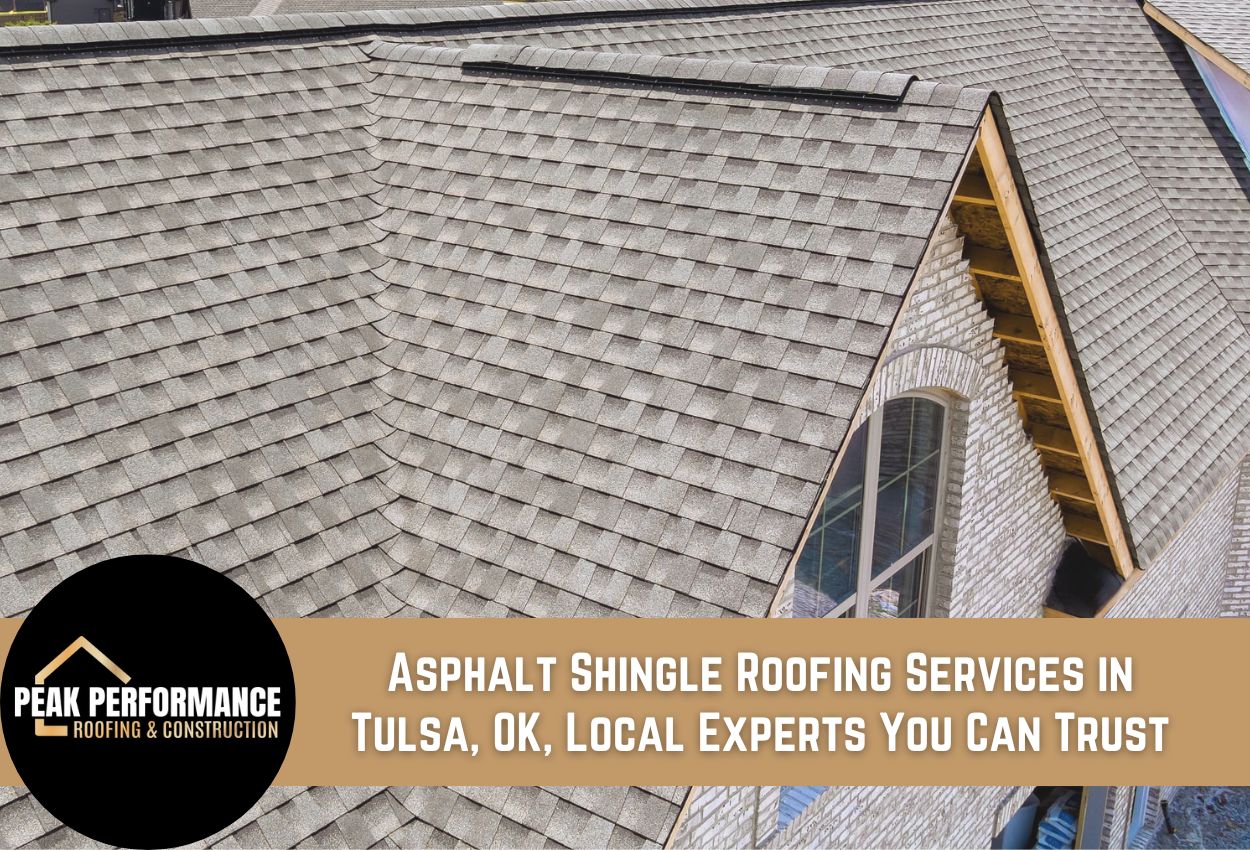 May 30, 2026Asphalt Shingle Roofing Services in Tulsa, OK, Local Experts You Can TrustNeed a roof that can handle Tulsa’s hail and high winds? Get expert asphalt shingle roofing, free inspections, and no-obligation estimates.
 -
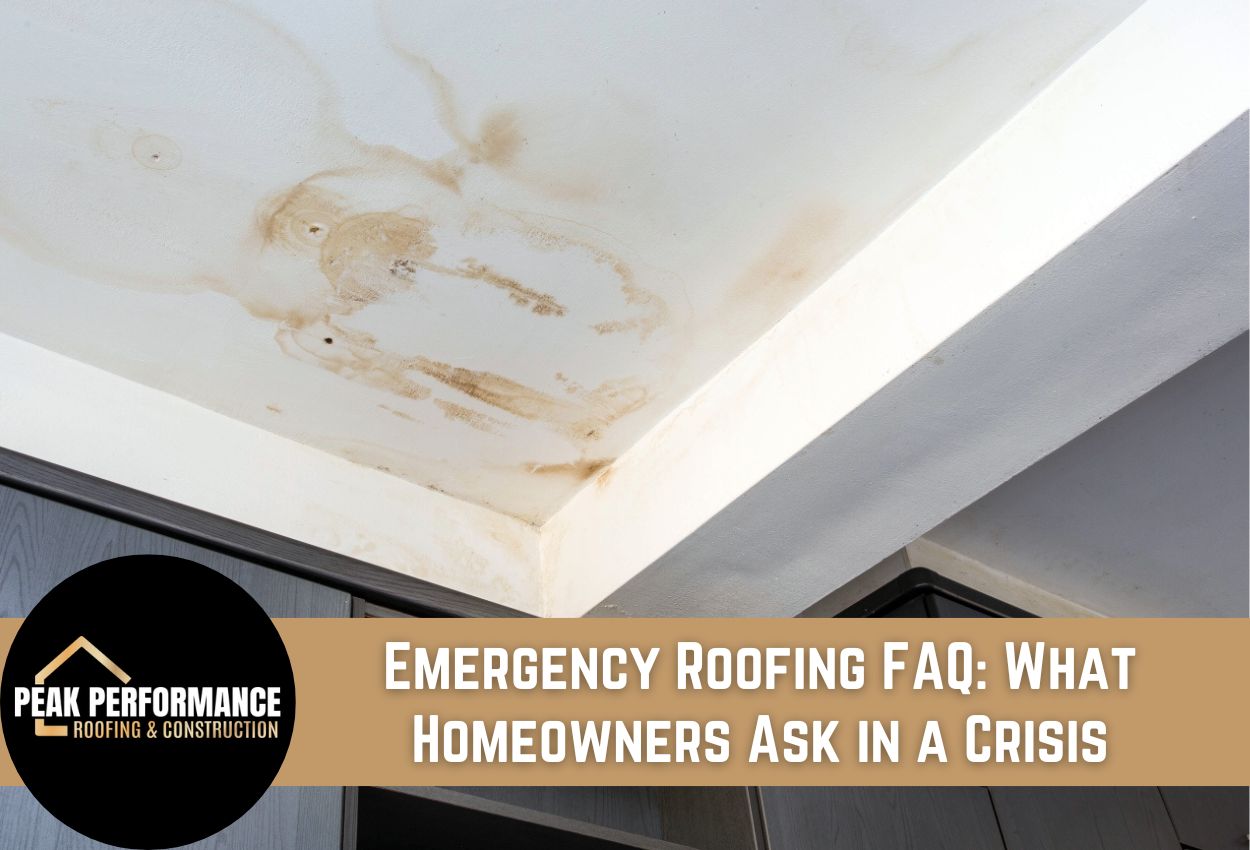 June 1, 2026What Should You Do Right Now If Your Roof Is Leaking During Heavy Rain in Tulsa?Roof leaking? Learn repair costs, emergency fixes, and insurance tips. Call today.
 -
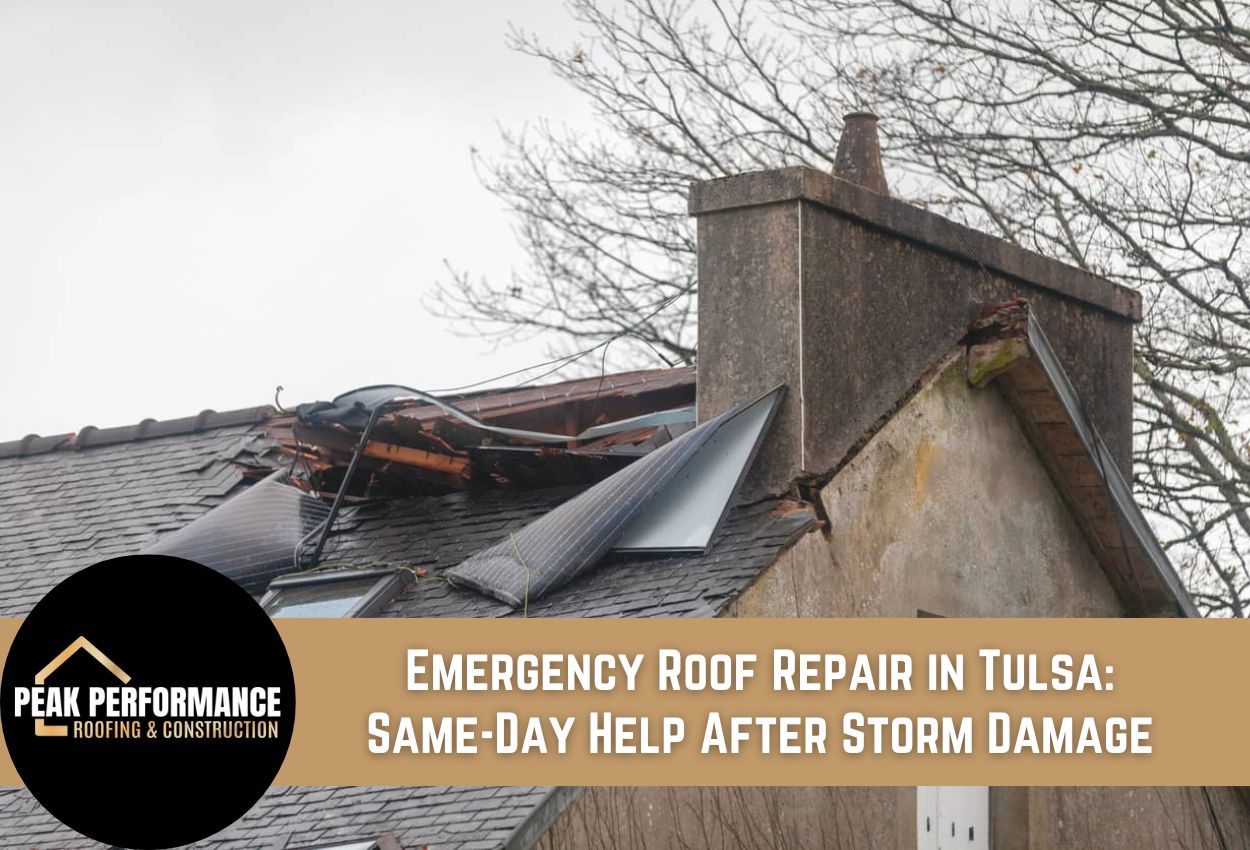 April 29, 2026What Should You Do First When You Need Emergency Roof Repair in Tulsa?Roof leaking after a storm? Get fast, reliable emergency repairs before water damage gets worse Tulsa’s licensed pros are ready, call now.
Protect Your Home with Expert Roofing
Don’t wait for leaks or storm damage to cause costly repairs. Our experienced roofing team provides fast, reliable service, high-quality materials, and lasting results. Ensure your home stays safe, secure, and looking great—contact us today for a free estimate.