
 (918) 694-1483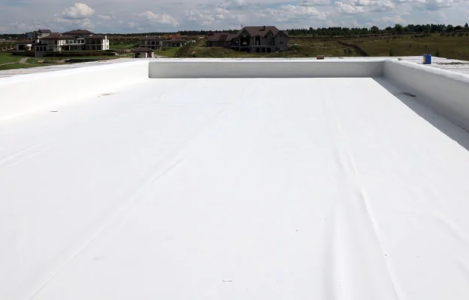
Trusted by Tulsa homeowners and recognized for our dedication to quality and customer service.
Performance Peaked, Every Time!
Performance Peaked, Every Time!
Oologah takes a beating from the weather. Summers push temperatures into the 90s, winters drop well below freezing, and spring brings rounds of hail and high winds that can tear through a flat roof membrane before you even know there’s a problem. That kind of weather puts a lot of stress on TPO roofing. The seams expand and contract with every temperature swing, flashing pulls away from curbs and walls, and a single hailstorm can leave punctures that let water in quietly for weeks. By the time you notice a stain on the ceiling, the damage underneath is usually worse than it looks.
TPO is one of the better roofing systems for this part of Oklahoma because it handles UV exposure and water drainage well, but it still needs attention to hold up long-term. Repairs done at the right time, before a small seam lift or a minor puncture turns into something bigger, are almost always faster and less expensive than waiting.
Peak Performance Roofing & Construction works with property owners across this area on exactly these kinds of repairs, from heat-welded seam failures to flashing rebuilds to patches over hail damage, and we know what this local weather does to flat roofs season after season.
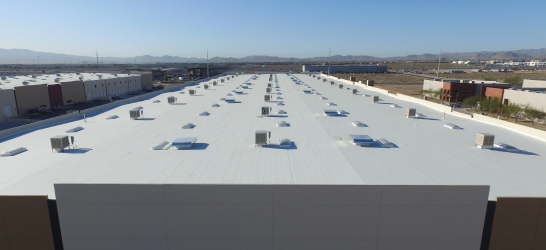
A commercial TPO roof repair requires identifying the source of the issue before determining the right repair approach. Peak Performance Roofing & Construction evaluates the membrane, explains the recommended solution, and completes the repair process with clear communication from inspection through final review.
Knowing what typically goes wrong with TPO roofing in this area helps you catch problems early and make smarter decisions about repairs. Oologah’s weather puts specific pressure on certain parts of the membrane more than others, and most issues fall into a handful of familiar categories.
| Issue Type | Common Cause | Repair Approach |
|---|---|---|
| Open or lifting seams | Repeated temperature changes weakening heat-welded bonds | Re-welding or patching with new TPO material |
| Membrane punctures | Hail strikes or debris impact | TPO patch or heat-welded repair depending on size and location |
| Flashing failures | Pulling away from curbs, walls, or gaps over time | Strip and rebuild with new TPO flashing material |
| Ponding water | Clogged drains or insufficient slope | Drain clearing plus seam and membrane inspection |
Most of these issues are very repairable when caught early. As a general rule, roofs under 10 to 12 years old with isolated damage are good repair candidates. Roofs 15 years and older with widespread damage across multiple areas may be better served by replacement. If you are seeing lifting seams, punctures exposing the inner scrim, or standing water that lingers more than 48 hours after rain, those are signs that repairs should not wait. Trimming overhanging branches and keeping drains clear are two simple steps that go a long way toward reducing how often repairs are needed.
TPO seams are the most vulnerable part of any flat roof membrane, especially in Oologah where temperature swings between summer and winter put constant stress on the bonds. We re-weld open or lifting seams using proper heat welding equipment, not temporary sealant, so the repair holds up through the next storm season instead of failing again a few months later.
Temporary patching over failed flashing around HVAC curbs, walls, and roof gaps rarely lasts in this climate. When flashing has pulled away or lost its bond, we strip it out completely and rebuild with new TPO material so the connection is watertight and structurally sound from the start.
Spring hailstorms in this part of Oklahoma regularly leave punctures in TPO membranes that are easy to miss until water is already getting in. We size and place patches correctly for each puncture, using heat welding or TPO sealant depending on the damage, so the repaired area bonds with the surrounding membrane rather than sitting on top of it.
Standing water that stays on a flat roof for more than 48 hours after rain puts constant pressure on seams and weakens the membrane over time. As part of our repair service, we clear blocked drains and check low spots that allow water to pool, reducing the stress on the areas of your roof most likely to fail next.
Oklahoma weather does not slow down between seasons, and a TPO membrane that is already showing wear will not hold up through the next round of heat, hail, or temperature swings on its own. Addressing seam lifts, punctures, or flashing problems now, rather than after water has worked its way further in, keeps repairs smaller and costs lower. For commercial property owners especially, a reliable roof also means fewer interruptions to daily operations and less risk of damage spreading to the building interior or equipment below.
Peak Performance Roofing & Construction is familiar with what flat roofs in Oologah area go through, and we are straightforward about what your roof actually needs. If you have noticed standing water after rain, a seam that looks lifted, or flashing that has started to pull away from a curb or wall, those are good reasons to have someone take a look. Reach out when you are ready, and we will help you figure out the right next step.
Got questions about your roof? We’ve got answers. From maintenance tips to insurance claims and repair timelines, our FAQ section covers the most common concerns homeowners have. Get informed and make confident decisions about protecting your home.
Cold weather makes TPO membranes brittle, which creates real problems for heat welding and adhesion. Repairs done in freezing or near-freezing conditions often fail faster because the material does not bond the way it should. If you have active damage heading into winter, the goal is to get repairs done before temperatures drop rather than waiting until spring, when the damage may have become worse after months of cold and moisture.
Not necessarily. TPO punctures from hail are often small enough to miss from the ground or even during a quick visual check, but they can let water in steadily without showing any obvious signs at roof level. In Oologah, where spring hailstorms are common, a post-storm inspection that includes a close look at the membrane surface and seams is the only reliable way to know whether the roof took hits that need attention.
Flat roofs hold water longer and deal with more direct pooling pressure at the points where flashing meets curbs, walls, and gaps. In Oologah, the wide temperature range between summer and winter causes those connections to expand and contract repeatedly, gradually loosening the bond over time. Pitched roofs shed water quickly and put less sustained stress on flashing connections, so flat roof flashing simply works harder and wears faster in the same conditions.

Call now for a free inspection and estimate—let's protect your home or business today!
Trusted by Tulsa homeowners and recognized for our dedication to quality and customer service.
Our 24/7 support and emergency response mean your needs come first, every step of the way.
Get In Touch Today
