
 (918) 694-1483
Trusted by Tulsa homeowners and recognized for our dedication to quality and customer service.
Performance Peaked, Every Time!
Performance Peaked, Every Time!
Kiefer sits right in the heart of northeast Oklahoma's storm track, and that means roofs here take a beating on a regular basis. Spring brings some of the most active severe weather in the state, with hail and damaging winds peaking around May and stretching through June. Gusts can exceed 60 mph during a strong thunderstorm, which is more than enough to lift shingles, tear flashing loose, and leave your roof exposed before the next wave of rain rolls through. What makes it harder is that hail damage does not always show up as an obvious hole. Bruised shingles and granule loss can look minor but quietly allow water to work its way in after the next heavy rain. Winter brings its own problems too, as freezing temperatures can cause meltwater to refreeze around flashing and vents, turning a small opening into a bigger issue fast.
When your roof is compromised, getting it protected quickly is what separates a manageable repair from extensive interior damage to your ceilings, insulation, and walls. Peak Performance Roofing & Construction works with homeowners across Kiefer to stop active leaks, get temporary protection in place fast, and follow through with repairs that hold up against whatever the next storm brings. Most repair work wraps up within a few hours to a single day, so your home is not left open and vulnerable any longer than necessary.
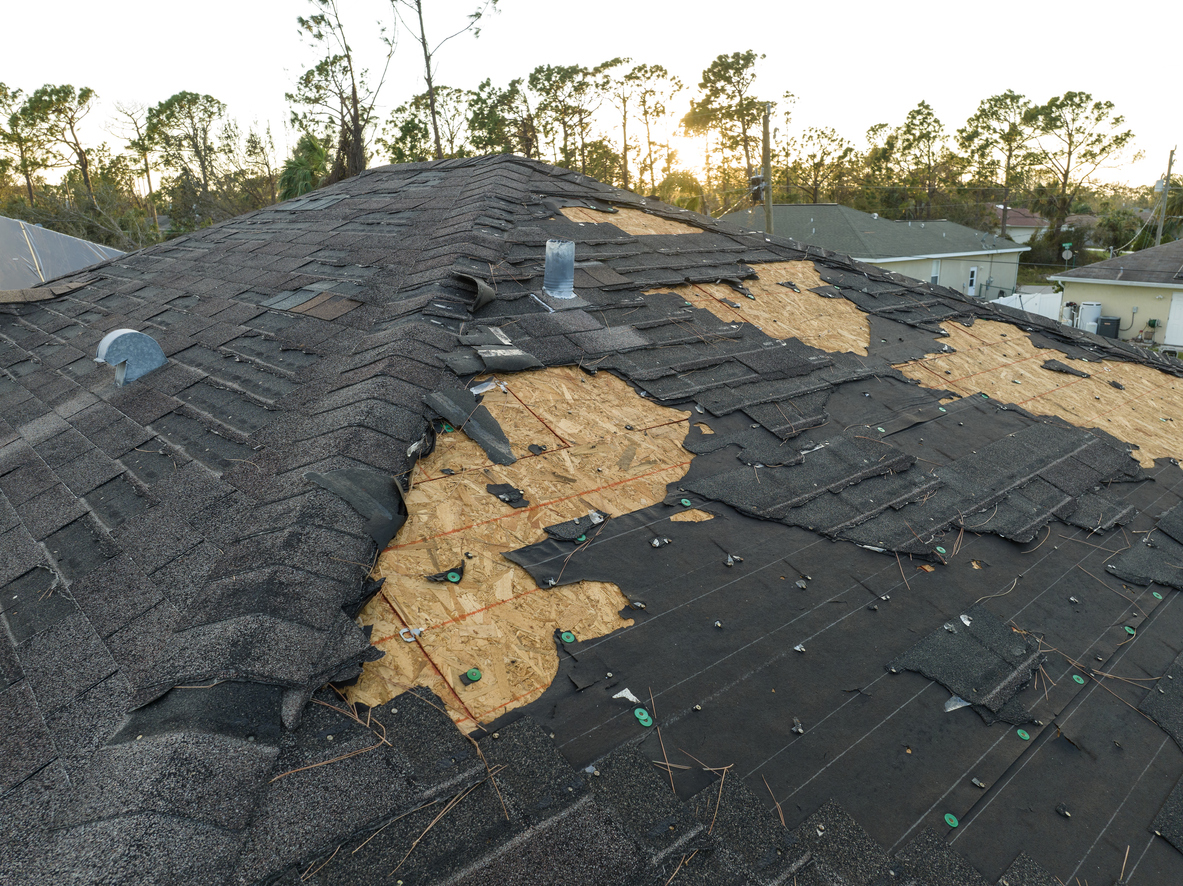
Storm damage can leave your home exposed to rain and wind, especially when shingles are missing or water is already entering the house. Peak Performance Roofing & Construction addresses the immediate problem first, then evaluates the damage and explains what permanent repairs may be necessary.
Not every roof emergency looks the same, and knowing what actually qualifies as urgent can help you act fast when it matters most. Homeowners in and around the Kiefer area deal with a range of storm-related damage throughout the year, from spring hail seasons to winter cold snaps that can make small roof openings worse overnight. The table below breaks down common emergencies, what causes them, and how quickly they typically need attention.
| Emergency Type | Common Cause | Urgency Level |
|---|---|---|
| Active leak through ceiling | Cracked or missing shingles after wind or hail | Immediate: same-day response needed |
| Lifted or torn shingles | Wind gusts exceeding 60 mph during severe storms | High: exposure gets worse with next rain |
| Damaged or loose flashing | Wind uplift around vents, chimneys, or edges | High: water gets in fast at gaps |
| Bruised shingles and granule loss | Hail impacts during spring storm season | Moderate: may not leak until next heavy rain |
| Refreezing around vents or edges | Temperature changes after winter precipitation | Moderate to high: small gaps expand quickly |
If you are unsure whether your roof needs emergency attention, err on the side of getting it looked at quickly. Hidden damage has a way of showing up at the worst possible time, usually during the next storm.
When shingles are torn away or flashing is compromised, the wood decking underneath is immediately vulnerable to rain and moisture. We use heavy-duty tarping and waterproof materials to get that exposed area sealed off fast, protecting the structure of your roof until permanent repairs are completed.
Vents, chimneys, and roof edges are common entry points for water after wind and hail storms, especially when flashing lifts or separates. We address these spots directly during emergency repairs because even a small space at a gap can send water straight into your walls or ceiling before you notice anything inside.
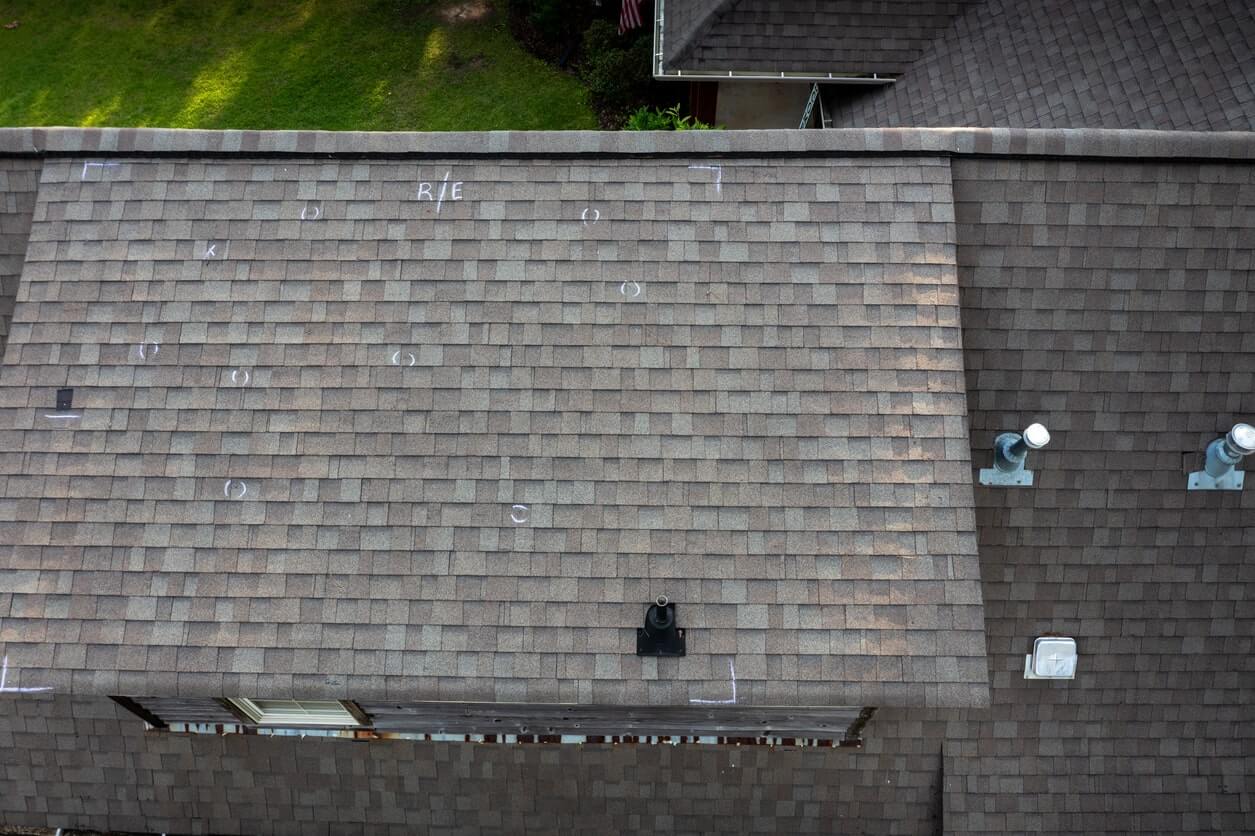
Hail does not always punch a visible hole, but bruised shingles and granule loss leave your roof far more vulnerable to leaks after the next heavy rain. We identify and repair these affected areas so your shingles are not left in a weakened state heading into the next round of severe weather.
Ridge caps and ridgeline shingles take some of the hardest hits during high-wind storms, and when they shift or separate, the rest of your roof loses protection at its highest and most exposed point. Stabilizing the ridgeline as part of an emergency repair helps close off one of the most common paths water takes when it gets under your roofing system.
Oklahoma's weather does not follow a predictable schedule, and roofs in this area deal with more stress across the year than most homeowners expect. Between wet spring storm seasons, summer heat, and winter cold snaps that can make existing damage worse overnight, the window between a minor roof problem and a serious one can close fast. Getting repairs handled quickly protects your ceilings, insulation, and interior finishes from the kind of water damage that turns a straightforward fix into a much bigger project.
Peak Performance Roofing & Construction is ready to help Kiefer homeowners get their roofs protected and repaired without the runaround. If you have noticed a leak, missing shingles, or anything that does not look right after a recent storm, reaching out sooner rather than later is always the right call. The team is here to take a look, explain what you are dealing with, and get your home back in good shape.
Got questions about your roof? We’ve got answers. From maintenance tips to insurance claims and repair timelines, our FAQ section covers the most common concerns homeowners have. Get informed and make confident decisions about protecting your home.
Yes, and this is one of the most common scenarios homeowners in the Kiefer area run into. Hail can bruise asphalt shingles and strip away granules without cracking them all the way through, so the roof holds for a while before moisture starts working in during the next heavy rain. If you had a hailstorm recently and your roof has not been looked at, it’s worth getting an inspection even if nothing is dripping yet.
Temporary repairs like tarping or sealing an active leak generally do not require a permit, but more involved work such as roof decking replacement or structural repairs may need approval through the local building department. We handle the permit questions upfront so there are no surprises after the work is done. Knowing what applies to your specific repair before we start keeps everything above board and protects your home's record if you ever sell.
Small gaps around flashing, vents, or lifted shingles that seemed minor in fall can expand quickly once temperatures drop and moisture refreezes inside those openings. The repeated cycle of freezing and thawing through a Kiefer winter puts pressure on those weak spots in a way that steady rain alone does not. Getting a compromised area dried in before the cold season sets in is one of the more valuable things you can do to keep a small repair from turning into a much larger one by spring.

Call now for a free inspection and estimate—let's protect your home or business today!
Trusted by Tulsa homeowners and recognized for our dedication to quality and customer service.
Our 24/7 support and emergency response mean your needs come first, every step of the way.
Get In Touch Today
