 (918) 694-1483
 Fall Commercial Roof Maintenance Checklist: Complete Guide for Winter Preparation
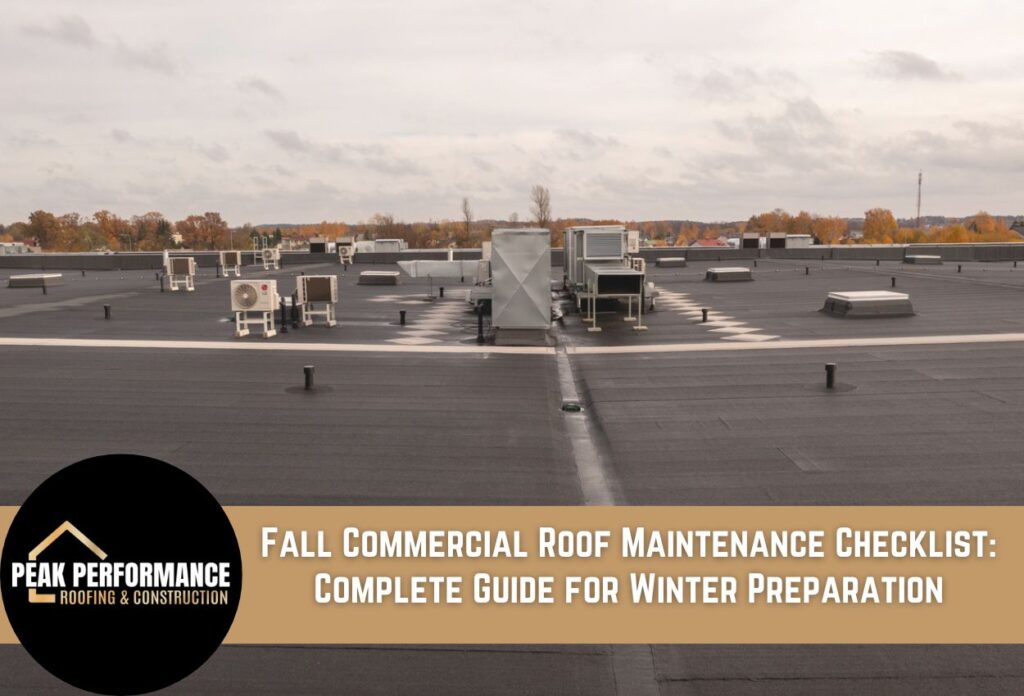

Fall presents a critical window for commercial property owners and facility managers to address roofing system vulnerabilities before harsh winter conditions arrive. The transition from summer to winter often creates challenges that need proactive attention, as neglecting seasonal roof preparation can lead to expensive emergency repairs during the most unforgiving months of the year.
Commercial roofing systems face intense pressure during fall from accumulated debris, fluctuating temperatures, and increased precipitation. Leaves, branches, and other organic materials collect in drainage systems, creating blockages that can cause standing water and structural damage. Temperature variations cause roofing materials to expand and contract repeatedly, potentially loosening fasteners and creating vulnerabilities in membrane systems.
A comprehensive fall commercial roof maintenance checklist addresses these seasonal challenges through preventive care. Commercial roof inspection procedures focus on identifying potential failure points before they become major problems. A commercial roofing system evaluation includes drainage components, membrane integrity, and structural elements that may have been compromised during extreme weather.
Seasonal roof preparation techniques implemented during the fall significantly reduce the likelihood of winter emergencies while extending the system’s lifespan. Commercial roof damage prevention relies heavily on timing, making fall maintenance an essential investment.
Pre-Inspection Safety and Equipment Requirements
Safety protocols are non-negotiable for effective commercial roof inspection procedures and must be established before any maintenance team steps onto a roofing system. Essential safety equipment includes OSHA-approved harnesses with proper anchor points, non-slip footwear designed for various roofing surfaces, and hard hats to protect against falling debris. Safety lines and guardrails should be installed along roof perimeters, while ladder safety systems ensure secure access points during commercial roofing system evaluations.
Weather conditions also determine inspection feasibility and safety parameters. High winds, wet surfaces, or temperatures below freezing create hazardous conditions that can compromise both worker safety and inspection accuracy. Maintenance teams should postpone inspections when weather conditions present unnecessary risks and would inhibit a thorough evaluation.
Documentation and preparation establish the framework for commercial roof damage prevention efforts. Maintenance records should include previous repairs, warranty information, and recurring problem areas that previously required special attention. Steps for emergencies should be clearly defined and understood by all team members, including evacuation routes and emergency contact protocols. Identifying potential hazards, such as skylights, roof penetrations, and deteriorated sections, allows teams to plan appropriate safety measures and allocate adequate time to complete the fall commercial roof maintenance checklist.
Step #1: Roof Surface and Structural Assessment
A detailed examination of the membrane system begins with identifying common damage patterns that develop throughout the year. Commercial roof inspection procedures focus on detecting punctures from debris, UV degradation that manifests as surface cracking, and thermal stress damage from repeated expansion and contraction. Blistering occurs when moisture becomes trapped beneath membrane layers, creating raised areas that compromise its integrity and require immediate repair to prevent further deterioration.
Surface wear patterns provide valuable diagnostic information about roofing system performance and potential failure points. High-traffic areas around HVAC equipment, drainage systems, and access points typically show accelerated wear that can compromise membrane thickness and protective coatings. Preventive roof maintenance strategies include identifying these patterns before they progress to membrane failure, as addressing surface issues proactively costs significantly less than emergency repairs.
Structural integrity assessments examine load-bearing components and fastening systems that support the entire roofing assembly. Areas showing sagging indicate potential structural compromise that requires immediate professional evaluation, while loose or missing fasteners create vulnerable points where wind uplift can cause catastrophic damage. Stress concentration points around roof penetrations, expansion joints, and parapet connections need close inspection, as these areas experience the greatest thermal movement and structural loading throughout the year.
Commercial roofing system evaluations must include documentation of all identified issues with photos and detailed location mapping to support repair prioritization and warranty claims when applicable.
Step #2: Verifying Weatherproofing and Seal Integrity
A close examination of roof penetrations is a critical part of commercial roof inspection procedures. Every pipe, vent, conduit, and equipment mounting that penetrates the roofing membrane creates a potential entry point for water infiltration. These points experience more thermal movement between the roofing system and penetrating equipment, causing sealant materials to crack and separate over time. Flashing around these penetrations must create continuous waterproof barriers that accommodate structural movement while preventing moisture intrusion.
Seam integrity assessment focuses on membrane joints, panel connections, and material transitions where roofing components meet other building elements. Modified bitumen systems develop vulnerabilities at lap seams where adhesive bonds weaken due to thermal cycling and UV exposure. Single-ply membrane systems require a careful evaluation of heat-welded seams and mechanically fastened edges that can separate under strong winds or thermal stress. Metal roofing systems need close attention to panel overlaps, standing seam connections, and expansion joint details that accommodate structural movement.
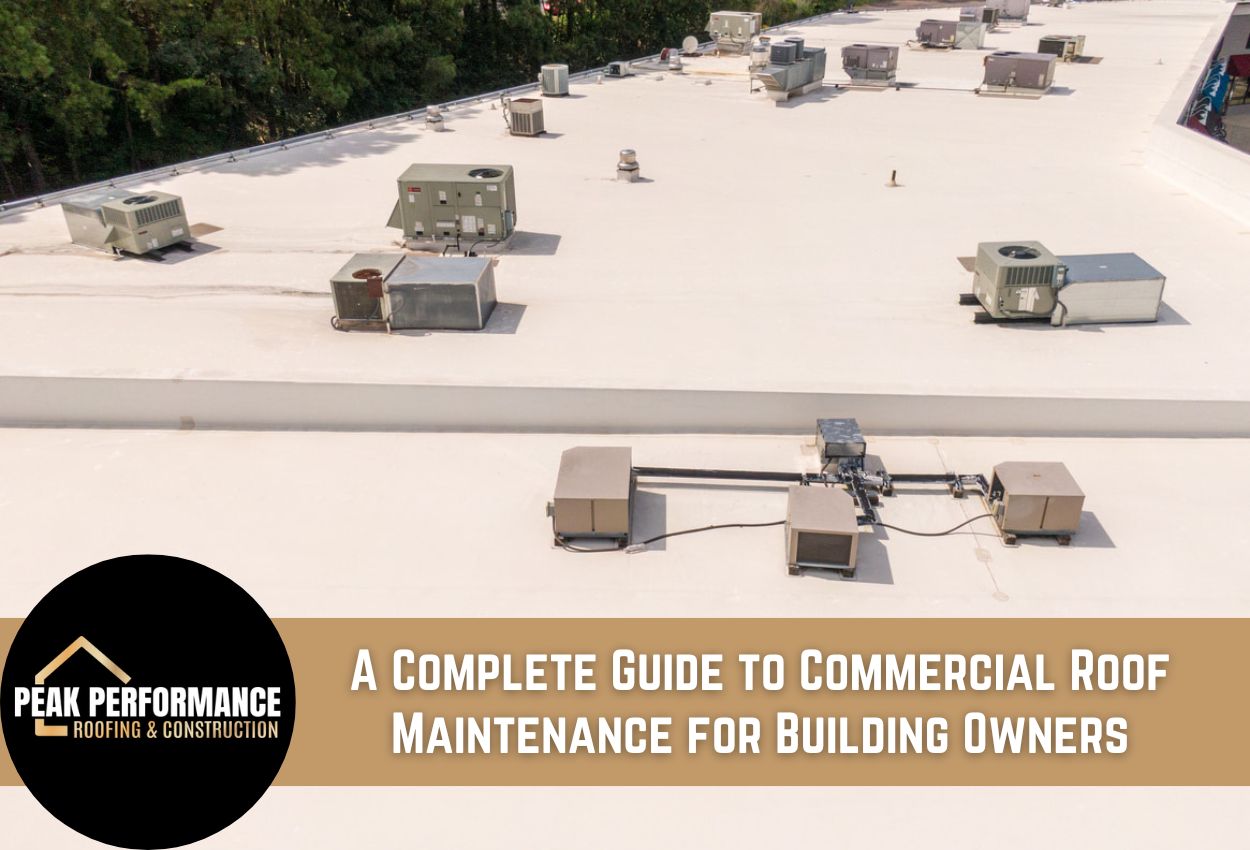
HVAC equipment installations often cause roof damage due to vibration, thermal expansion, and maintenance access requirements. Curb-mounted units rely on multiple sealing layers, including base flashing, equipment gaskets, and perimeter caulking systems that deteriorate at different rates. Preventive roof maintenance should include regular assessments of these complex sealing assemblies, as equipment-related leaks often develop gradually and remain undetected until significant interior damage occurs. Commercial roofing system evaluations include testing seal integrity around all rooftop equipment to verify their performance.
Step #3: Preventive Repairs and Material Replacement Strategies
Scheduling repairs based on urgency and weather exposure risk ensures commercial roofing systems receive appropriate attention before winter weather arrives. Critical repairs that need immediate action include active leaks, structural damage, and compromised drainage systems that can cause catastrophic failure during freeze-thaw cycles. Emergency-level issues typically involve membrane punctures, failed flashing systems, or damaged seals that allow water directly into the building.
Medium-priority repairs address deterioration that will likely worsen under winter weather stress but does not pose immediate threats to building integrity. Surface wear patterns, minor membrane cracking, and aging sealant materials fall into this category, requiring attention within the current maintenance season. These preventive roof maintenance strategies focus on addressing vulnerable areas before they progress to emergencies during harsh weather.
When choosing materials, homeowners should consider thermal performance, flexibility, and adhesion in cold-weather applications. Modified bitumen materials provide excellent thermal stability and self-healing properties that perform reliably through repeated freeze-thaw cycles. Single-ply membrane patches and sealants must maintain flexibility at low temperatures while providing long-term adhesion to existing roofing materials.
Application timing is crucial during maintenance and repairs, as many materials require specific temperature ranges for proper installation. Cold-weather sealants and adhesives extend the seasonal maintenance window, allowing critical repairs to be done even as temperatures drop. Quality repairs completed during fall maintenance significantly reduce the likelihood of winter emergency calls while improving overall system performance.
Final Steps: Documentation and Professional Maintenance Planning
Record-keeping is necessary for successful commercial roof maintenance programs and provides essential documentation for warranty compliance and future planning. Detailed inspection logs should include specific findings, such as damage locations, material conditions, and photos that create a complete history of roofing system performance. These maintenance records are helpful when prioritizing repairs, tracking recurring issues, and supporting warranty claims with manufacturers and contractors.
Digital documentation helps organize inspection findings and completed repairs while ensuring the information remains accessible for future commercial roof work. Maintenance logs should include dates, weather conditions, personnel involved, and specific actions taken during each service visit. This approach supports preventive roof maintenance strategies by spotting potential problem areas before they become expensive emergency repairs.
Professional intervention becomes necessary when inspections reveal structural damage, complex membrane failures, or issues requiring specialized equipment. Commercial roofing system evaluations may identify problems beyond the scope of routine maintenance, including major drainage modifications, extensive membrane replacement, or structural reinforcement projects. Establishing relationships with qualified roofing contractors ensures a prompt response when professional services are needed.
Ongoing maintenance schedules developed from inspection findings and historical data optimize commercial roof damage prevention efforts while controlling long-term costs. Regular inspections, seasonal roof preparation techniques, and annual professional evaluations create a proactive maintenance framework. These scheduled activities, combined with thorough documentation, extend the roofing system’s lifespan while minimizing unexpected failures that disrupt building operations and strain maintenance budgets.
Secure Your Roof This Fall with Peak Performance Roofing & Construction
As fall approaches, keeping your commercial roof in top condition is crucial to withstanding the harsh winter weather. At Peak Performance Roofing & Construction, we specialize in commercial roof maintenance to protect your investment. Our expert team is equipped to handle all aspects of roofing maintenance, from systematic evaluations of membrane damage and structural integrity to thorough drainage system checks and debris removal.
Act now to prepare your roof for the coming months. Call us today at (918) 694-1483 to schedule a detailed roof inspection and maintenance service. Ensure your commercial property is protected with Peak Performance Roofing & Construction: your partner in reliable roofing solutions.