 (918) 694-1483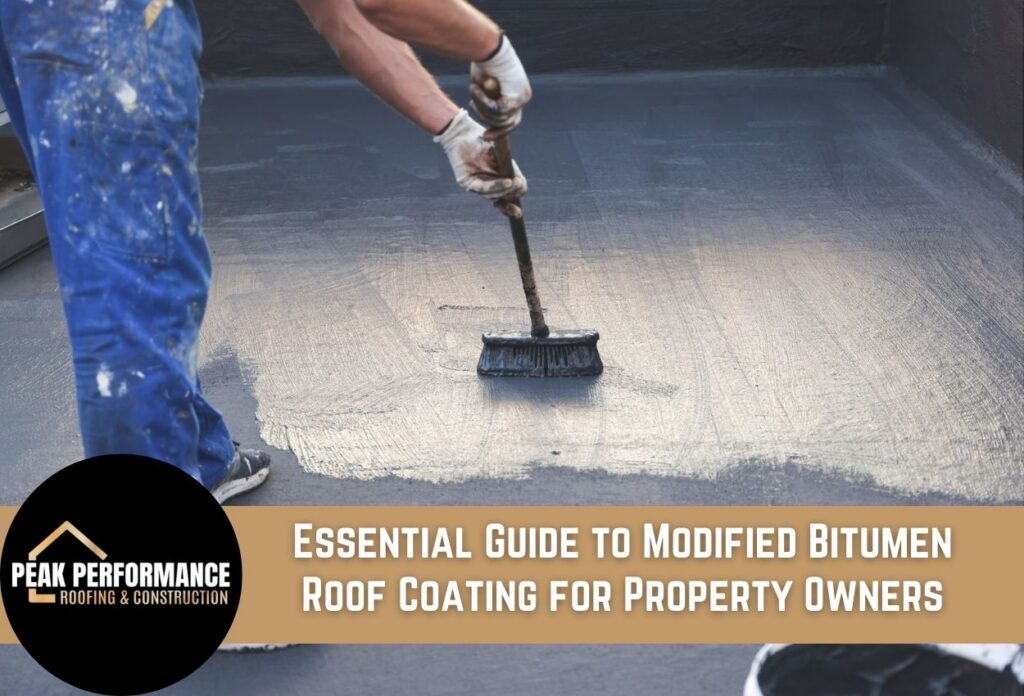

Modified bitumen roofing systems require specialized coating treatments to maintain their protective capabilities and extend their operational lifespan. These multi-layered membrane systems, commonly found on commercial buildings and flat residential structures, benefit significantly from proper coating application that creates an additional barrier against weather damage and UV degradation.
Property owners who invest in modified bitumen roof coating experience enhanced weather protection that shields their buildings from leaks, temperature fluctuations, and storm damage. The coating application process creates a seamless protective layer that fills minor cracks and imperfections while providing superior adhesion to the existing bitumen membrane installation.
Commercial roofing materials like modified bitumen membranes perform the best when maintained with appropriate coating systems that improve energy efficiency through reflective properties. This maintenance approach serves as an effective flat roof repair solution that prevents expensive structural damage while maintaining the structural integrity of the roofing system for years beyond the original installation period.
Identifying When Your Modified Bitumen Roof Needs Coating
Recognizing the proper timing for coating application ensures the best performance from modified bitumen roofing systems and prevents expensive emergency repairs. Property owners should conduct regular visual inspections to assess membrane condition and identify deterioration indicators that signal coating necessity.
Surface cracks, blisters, and granule loss represent clear signs that bitumen membrane installation requires immediate attention through coating application. These conditions typically develop after several years of exposure to weather elements and indicate the protective layer has begun to compromise. Commercial roofing materials show stress through visible changes in surface texture, color fading, and membrane flexibility reduction.
Preventive coating application during early deterioration stages maximizes investment value compared to waiting until emergency flat roof repair solutions become necessary. The roof coating application process works most effectively when applied to structurally sound membranes that show minor wear rather than extensive damage. Recoat timing depends on coating type, film thickness, UV exposure, and manufacturer guidelines rather than a fixed schedule.
Selecting the Right Coating Materials for Your Project
Acrylic, silicone, and elastomeric coatings each offer distinct advantages for bitumen membrane installation, depending on specific building requirements and environmental conditions. Acrylic coatings provide excellent reflectivity and cost-effectiveness, making them suitable for commercial roofing materials where budget considerations are important. These water-based products offer good adhesion to modified bitumen roofing systems while maintaining flexibility during temperature changes.
Silicone coatings deliver superior ponding water resistance and UV stability, making them ideal flat roof repair solutions for buildings with drainage challenges. These coatings maintain their protective properties longer than alternatives and resist dirt accumulation that can reduce reflective performance over time. Elastomeric coatings provide exceptional elongation properties that accommodate building movement and thermal expansion without cracking or splitting.
Temperature fluctuations, intense summer heat, and periodic severe weather in the Tulsa area require coating materials that withstand these challenging conditions. The roof coating application process must account for local climate factors, including UV exposure intensity and seasonal temperature variations that affect material performance and longevity expectations for modified bitumen roof coating systems.
Preparing Your Modified Bitumen Surface for Coating Application
Proper surface preparation forms the foundation for successful modified bitumen roof coating performance and determines the longevity of the protective system. The preparation process begins with thorough debris removal using power sweeping or manual cleaning to eliminate leaves, dirt, and loose granules that interfere with coating adhesion. Commercial roofing materials require complete surface cleaning before any coating application begins.
Existing coating residue and failed membrane areas must be scraped away to expose sound roof decking for the best possible bonding. Power washing with appropriate detergents removes stubborn contaminants and oil deposits that compromise the roof coating application process. All surfaces should dry completely before proceeding with repairs or coating application.
Minor membrane damage requires immediate attention through patching with compatible bitumen materials or fabric reinforcement systems. Seam separations and edge lifting need mechanical fastening or adhesive reattachment to create a stable base for coating coverage. Surface irregularities and ponding areas may require additional membrane layers or slope corrections to prevent future water accumulation, which reduces the effectiveness of coatings on modified bitumen roofing systems.
Pay close attention to roof details such as flashing transitions, drain bowls, edge metal, and seams before coating begins. Also, inspect flashing, drains, seams, and edge metal before coating begins. These areas experience the most movement and water flow, making them common points of failure. Reinforcing them first improves overall coating performance and long-term reliability.
Professional Application Techniques and Best Practices
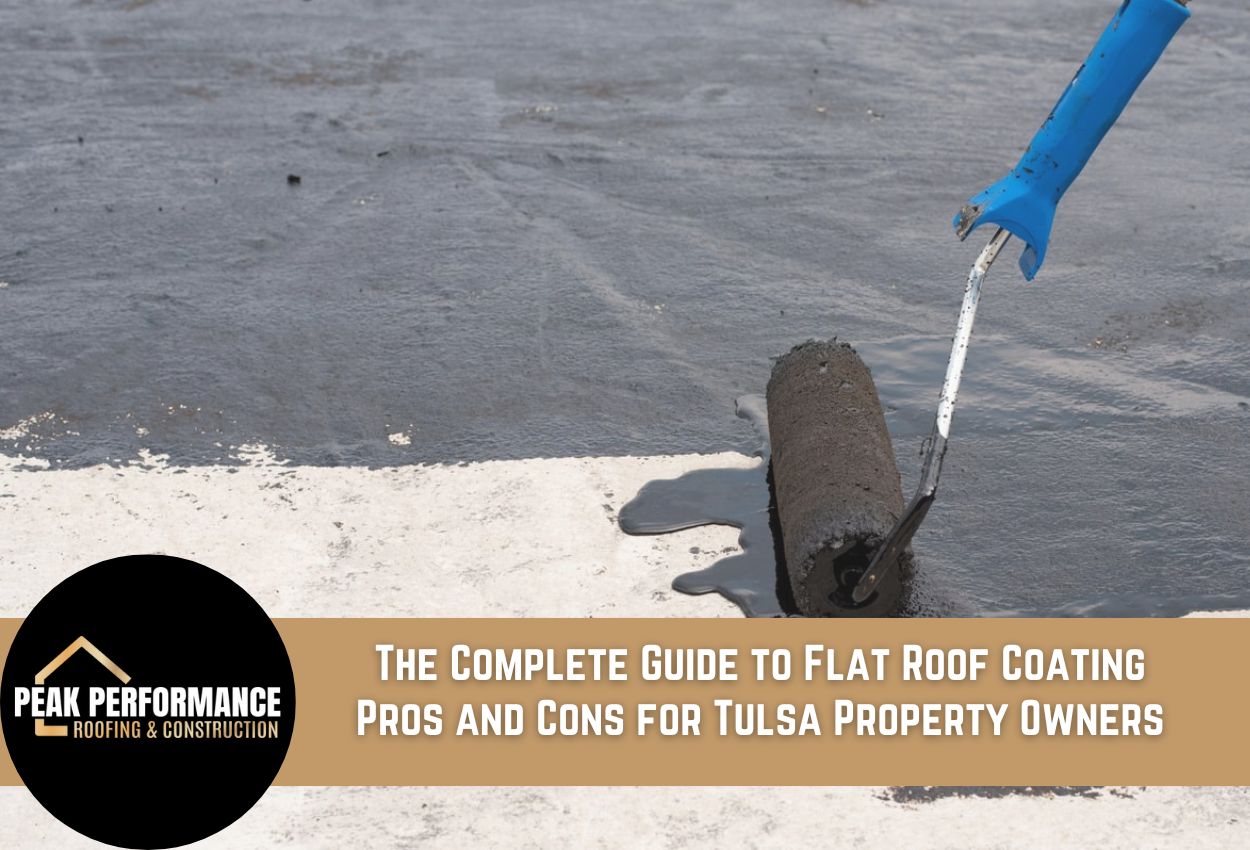
Successful modified bitumen roof coating requires precise application techniques that ensure uniform coverage and the best performance. Professional contractors use spray equipment, rollers, or brush application methods depending on roof size, surface conditions, and coating material specifications. The roof coating application process requires applying the coating at the wet film thickness specified by the manufacturer to achieve the intended dry film performance.
Proper tool selection directly impacts coating performance and coverage efficiency on bitumen membrane installation. Airless spray systems provide rapid coverage for large commercial roofing materials while maintaining consistent application rates. Roller application works effectively for smaller areas and detailed work around gaps, ensuring complete coverage without thin spots that compromise protective capabilities.
Weather conditions significantly influence coating success and require careful timing for the best results. Temperatures between 50 and 85 degrees Fahrenheit with low humidity create ideal curing conditions for most coating materials. Morning application often provides the best window before the afternoon heat affects material workability. Wind speeds above 10 mph can interfere with spray application and cause uneven coverage patterns that reduce coating effectiveness on modified bitumen roofing systems.
Maintenance Strategies to Maximize Coating Performance
Setting up maintenance schedules keeps the structural integrity of the modified bitumen roof coating and extends the system’s lifespan through proactive care strategies. Regular inspection schedules enable property owners to identify minor issues before they develop into major problems requiring extensive flat roof repair solutions. Quarterly visual assessments should focus on coating surface condition, drainage functionality, and membrane adhesion around important areas.
Cleaning protocols maintain coating reflectivity and prevent debris accumulation that accelerates deterioration. Gentle power washing removes dirt, algae, and organic growth while preserving coating thickness and adhesion properties. Commercial roofing materials benefit from annual cleaning that restores reflective capabilities and removes contaminants that retain moisture against the bitumen membrane installation.
Touch-up applications address isolated coating failures and extend overall system life when applied quickly to damaged areas. Small cracks, worn spots, and edge lifting respond well to localized repairs using compatible coating materials. However, extensive coating failure, widespread cracking, or membrane damage beneath the coating surface requires complete recoating through the full roof coating application process. Professional assessment determines whether maintenance repairs suffice or complete system renewal becomes necessary for continued protection of modified bitumen roofing systems.
Professional Installation vs. DIY Considerations
Modified bitumen roof coating projects involve significant safety hazards and specialized equipment requirements that often require professional contractor expertise. Working on flat commercial roofing materials requires fall protection systems, specialized spray equipment, and knowledge of proper application techniques that most property owners lack. The roof coating application process involves handling industrial-grade materials and navigating potentially dangerous rooftop conditions.
Professional contractors possess the necessary insurance coverage, safety training, and equipment to handle bitumen membrane installation and coating projects safely and effectively. They understand local building codes, material compatibility issues, and application timing requirements that impact project success. Experienced roofing professionals also carry specialized spray rigs, surface preparation tools, and protective equipment designed for modified bitumen roofing systems.
Property owners can safely handle minor maintenance tasks like basic cleaning, visual inspections, and small touch-up applications using brush methods. However, extensive coating projects, structural repairs, and full-scale flat roof repair solutions require professional installation to ensure proper performance and warranty protection. Complex projects involving multiple coating types or significant surface preparation should always involve experienced commercial roofing contractors who understand modified bitumen roof coating requirements.
Trust Peak Performance Roofing & Construction for Your Modified Bitumen Roof Coating Needs
If you’re facing issues with your modified bitumen roofing system or considering a new coating application, don’t hesitate! Peak Performance Roofing & Construction specializes in applying high-quality roof coatings that enhance weather protection, extend roof life, and improve energy efficiency. Whether you’re dealing with cracks, blisters, or just routine maintenance, our expert team is equipped to help. Using the right materials and techniques, we ensure your roof withstands Tulsa’s unique climate challenges.
Don’t wait for small issues to turn into major expenses. Call us today at (918) 694-1483 to schedule a professional inspection and get the best solutions tailored to your needs. Protect your investment with a team that stands for excellence and durability in roofing solutions.