
 (918) 694-1483
Trusted by Tulsa homeowners and recognized for our dedication to quality and customer service.
Performance Peaked, Every Time!
Performance Peaked, Every Time!
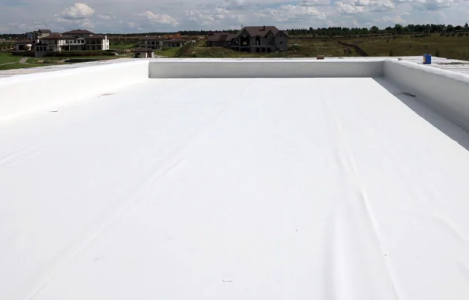
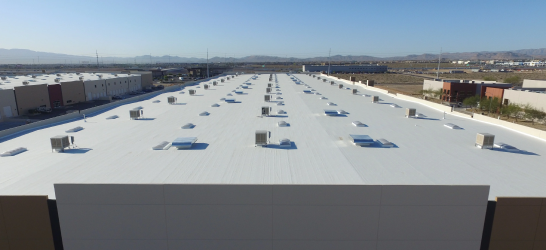
Coweta's weather puts flat and low-slope roofs through a real workout. Summers push temperatures into the mid-90s, and winters can drop close to freezing, which means your TPO membrane is constantly expanding and contracting. Add in the region's spring storm season, with heavy rain, hail, and steady winds averaging around 15 mph, and it becomes clear why seam separation, punctures, and surface cracking are so common here. When those issues go unaddressed, water works its way into the insulation and the roof deck underneath, turning a small repair into a much bigger project.
TPO roof repair done right in this climate requires more than patching a hole. It takes proper hot-air welding to restore the seam’s structural integrity, attention to drainage so ponding water does not accelerate membrane wear, and materials that can hold up to the UV exposure that comes with Coweta summers. Peak Performance Roofing & Construction works with commercial and low-slope residential properties throughout the area and understands exactly what these roofs face season to season.
Whether your roof took a hit from a recent hailstorm or you have noticed chalking or bubbling on the membrane surface, getting a professional inspection done quickly is the right call. Catching damage early keeps repair costs manageable and protects the structure below.
A TPO roof repair starts with identifying the source of the problem and determining whether a targeted repair is the right solution. Peak Performance Roofing & Construction evaluates the membrane, explains the recommended approach, and completes the work with a clear process from inspection through final review.
TPO membranes in this area take a beating from multiple directions. Summer heat pushes the material to expand, cooler temperatures pull it back, and spring storms bring hail and wind that stress every seam and surface. Knowing what types of damage are most common here helps you spot problems early and understand what kind of repair your roof may need.
| Damage Type | Common Cause in Coweta | Typical Repair Approach |
|---|---|---|
| Seam separation | Wind uplift, membrane expansion and contraction | Hot-air weld seam rewelding |
| Punctures | Hail impact, HVAC foot traffic, debris | Heat-welded membrane patch |
| Surface cracking or brittleness | UV exposure, membrane age | Patching or replacement depending on extent |
| Ponding water damage | Insufficient slope to drains | Drainage correction during repair prep |
| Flashing failures | Seasonal temperature changes, storm stress | Reflash and reseal at roof gaps |
One thing worth knowing is that hail can damage a TPO membrane without creating an immediate leak. The surface may look mostly intact while the membrane underneath has been weakened. A thorough inspection after any bad storm, especially across areas like the Highway 51 corridor or Fox Run, is the best way to catch that kind of damage before it becomes a larger repair.
When punctures or tears are limited to a specific area of the roof, heat-welded patches are applied directly to the damaged membrane to restore a watertight bond. This approach works well for roofs under 15 years old and keeps the repair targeted rather than requiring a larger section of membrane to be replaced.
HVAC maintenance and routine rooftop access are common causes of puncture damage on TPO roofs in Coweta, especially on commercial properties. During repairs, we can reinforce high-traffic walkway areas with additional membrane material to protect against repeat damage from foot traffic.
With summer temperatures regularly reaching the mid-90s, TPO membranes in this area are under constant UV pressure that can cause shrinkage and surface brittleness over time. Applying a UV-resistant coating during or after repairs helps reduce heat absorption and extends the life of the membrane between service visits.
Gaps like vents, drains, and HVAC curbs are common failure points on low-slope roofs, particularly after seasonal temperature changes and spring storms put stress on the surrounding membrane and flashing material. Reflashing and resealing these areas during your repair keeps water from working its way in through spots that are easy to overlook.
Oklahoma's weather does not give flat and low-slope roofs much of a break. The wide swing between summer heat and cooler fall temperatures keeps TPO membranes under steady stress, and the spring storm season adds hail and wind pressure on top of that. Staying ahead of membrane wear and seam issues means smaller repairs, lower costs over time, and a roof that keeps doing its job without interrupting your operations or creating headaches for tenants and building managers.
If you have noticed something off with your TPO roof or just want a professional set of eyes on it after a tough storm season, Peak Performance Roofing & Construction is ready to help. Reach out to schedule an inspection and find out exactly where things stand. No pressure, just honest answers and good work.
Got questions about your roof? We’ve got answers. From maintenance tips to insurance claims and repair timelines, our FAQ section covers the most common concerns homeowners have. Get informed and make confident decisions about protecting your home.
Repairs can be completed in summer, but scheduling matters. The best approach is to start early in the morning before surface temperatures climb too high, since extreme heat affects how well the membrane material and adhesives bond during the welding process. Fall, particularly September and October, gives us the most favorable conditions with moderate temperatures and lower humidity, but if your roof has active damage, waiting is not worth the risk of further wear to the insulation and roof decking below.
Hail can weaken a TPO membrane without punching all the way through, leaving the surface looking mostly intact while the underlying material is compromised. Over time, those weakened spots are far more likely to crack, lift, or let water through the next time a storm rolls in. A post-storm inspection is the most reliable way to catch that kind of damage early, before it becomes a much more involved repair.
After seams are welded during a repair, we run a leak test to verify that the bond is strong enough to hold against wind and water pressure. This step is especially important in Coweta because the area sees steady average wind speeds and a storm-prone spring season that puts real stress on every seam. A weld that looks solid from the surface can still have weak spots that testing will catch before they become a problem.

Call now for a free inspection and estimate—let's protect your home or business today!
Trusted by Tulsa homeowners and recognized for our dedication to quality and customer service.
Our 24/7 support and emergency response mean your needs come first, every step of the way.
Get In Touch Today
