
 (918) 694-1483
Trusted by Tulsa homeowners and recognized for our dedication to quality and customer service.
Performance Peaked, Every Time!
Performance Peaked, Every Time!
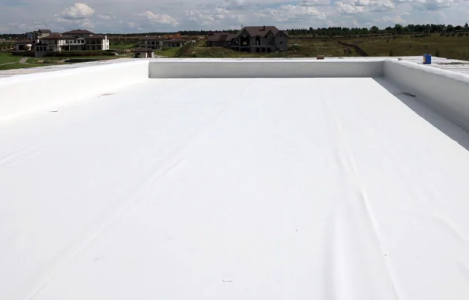
Oklahoma's weather is hard on flat roofs. In Fair Oak, building owners deal with summer temperatures that regularly push past 100 degrees Fahrenheit, heavy spring hailstorms, and high winds that test every seam and flashing on a TPO membrane. That kind of weather adds up fast. A small seam failure or a puncture from a rooftop HVAC crew can look minor from the inside, but moisture working its way under the membrane can saturate insulation before a single leak shows up in your building. With around 42 inches of annual precipitation in this region, standing water around drains and scuppers only makes that problem worse.
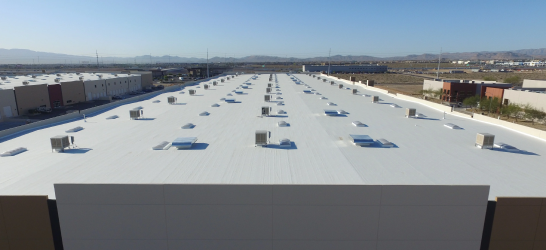
TPO repairs are not a one-size-fits-all job, and the conditions in Fair Oak make that clear. Heat-welded patches require dry, properly prepared surfaces and the right ambient temperature to bond correctly. Adhesive shortcuts fail here. Getting the repair done right the first time means working with a contractor who understands these details. Peak Performance Roofing & Construction brings that knowledge to every job, whether you are dealing with a failed seam, a puncture near a pipe boot, or flashing that has pulled away from a curb-mounted unit.
Catching damage early is what keeps a repair from turning into a full replacement. Roofs under 15 years old with localized damage are strong candidates for repair, while widespread issues or saturated insulation often point toward replacement. A thorough inspection after any major storm can tell you exactly where your roof stands and what it needs.
A commercial TPO roof repair starts with identifying the cause of the problem and determining the right solution for the membrane's condition. Peak Performance Roofing & Construction evaluates the affected areas, explains the recommended repairs, and completes the work with a clear process from inspection through final review.
TPO membranes hold up well under normal conditions, but the weather in Fair Oak puts them through a real workout. Knowing what typically causes damage helps you spot problems early and make informed decisions about your facility before a small issue grows into an expensive one.
| Damage Type | Common Cause | Repair Priority |
|---|---|---|
| Seam separation | Membrane shrinkage from extreme summer heat | High: failed seams allow water under the membrane quickly |
| Punctures near curbs and pipe boots | Foot traffic from HVAC maintenance crews | High: damage around gaps is easy to miss and gets worse fast |
| Flashing pull-away | High winds during spring storm season | High: exposed edges let water reach the insulation layer |
| Drain and scupper blockage | Debris buildup from Oklahoma's heavy annual rainfall | Medium to high: standing water accelerates membrane wear |
| Surface membrane wear | UV exposure over years of direct sun | Medium: addressed during routine inspections before leaks develop |
One detail worth keeping in mind: TPO repairs require a completely dry underlayment. Moisture trapped under a patch can saturate the insulation below, and once water damage spreads across a large portion of the insulation layer, repair is no longer enough. Catching damage early and scheduling repairs under the right conditions protects your building and keeps replacement off the table.
Every patch applied to your TPO membrane is heat-welded, not glued. This matters because adhesive-only fixes break down under Oklahoma's extreme temperatures, while a properly welded seam bonds directly to the existing membrane and holds up through years of heat, wind, and rain.
Repairs cover the membrane around pipe boots, curb-mounted units, and other rooftop gaps, not just the flat surface. These areas take the most foot traffic and are where damage tends to hide longest, so they get specific attention during every repair visit.
Before any patch goes down, the underlayment is confirmed to be completely dry. Moisture trapped under a repair causes the insulation below to saturate over time, which can turn a straightforward fix into a much larger problem if it goes undetected.
Drains and scuppers are cleared during the repair scale, not treated as a separate service. With around 42 inches of annual rainfall in this region, keeping water moving off your roof is just as important as sealing the membrane itself.
Oklahoma's heat, wind, and rainfall are not going to ease up, and a TPO membrane that is already showing wear will keep degrading until it’s addressed. The good news is that most localized damage, caught before it spreads to the insulation below, is a straightforward repair rather than a full replacement. Spring and fall are ideal times to schedule work since heat-welding bonds best when ambient temperatures are moderate, but repairs can be completed year-round when conditions allow. Acting before the next storm season is simply the smarter call for your facility.
If you have noticed a soft spot, a drain that sits wet longer than it should, or anything that looked off after recent high winds, it’s worth having someone take a look. Peak Performance Roofing & Construction works with commercial property owners in the Fair Oak area to inspect TPO roofs, explain what they find in plain terms, and repair what needs fixing the right way. Reach out when you are ready, and we will take it from there.
Got questions about your roof? We’ve got answers. From maintenance tips to insurance claims and repair timelines, our FAQ section covers the most common concerns homeowners have. Get informed and make confident decisions about protecting your home.
It’s possible, but scheduling matters. Heat-welding TPO in temperatures above 100 degrees creates challenges because the membrane surface gets extremely hot, which can affect how well the weld bonds. Early morning appointments or shaded conditions help, but spring and fall remain the best windows for repairs when you have flexibility to plan.
You often cannot tell from inside the building until the damage is well advanced. Soft or spongy spots underfoot when walking the surface of the roof are a common sign, and areas that stay wet around drains long after rain has stopped can point to saturation below the membrane. A hands-on inspection is the only reliable way to know how far any moisture has spread before a repair scale is put together.
Most punctures in these areas happen during routine HVAC service visits, and the damage is usually small enough that it does not cause an immediate leak. Because the membrane around curbs and pipe boots flexes under foot traffic differently than the flat field of the roof, small tears tend to open gradually over weeks or months. Checking these areas specifically after any maintenance crew has been on the roof is one of the easiest ways to catch a problem before it reaches the insulation layer.

Call now for a free inspection and estimate—let's protect your home or business today!
Trusted by Tulsa homeowners and recognized for our dedication to quality and customer service.
Our 24/7 support and emergency response mean your needs come first, every step of the way.
Get In Touch Today
