
 (918) 694-1483

Trusted by Tulsa homeowners and recognized for our dedication to quality and customer service.
Performance Peaked, Every Time!
Performance Peaked, Every Time!
Glenpool homeowners deal with some genuinely tough weather. Spring brings heavy rain and hail-producing storms that can lift shingles, tear flashing, and leave your roof vulnerable before you even realize something is wrong. Summer heat pushes into the 90s, and winter temps can drop to the upper 20s, putting real stress on roofing materials as they expand and contract through those temperature changes. Add in the wind that rolls through this part of the Tulsa area, and it becomes clear why sudden roof damage is a regular problem here, not a rare one.
When a storm tears through or a leak shows up after a hard rain, waiting is not a good option.
Water moves fast once it gets past your roof, and what starts as a small problem around a valley or vent can quickly reach your ceilings, insulation, and interior finishes. The longer a damaged roof sits open to the elements, the more you risk turning a minor repair into a much larger and more expensive project.
Peak Performance Roofing & Construction works with homeowners throughout Glenpool to stop damage quickly and get roofs back in solid shape. Whether your shingles took a hit from hail, your flashing pulled loose in the wind, or a leak appeared out of nowhere during a spring storm, the goal is always the same: protect your home and keep the damage from spreading.
Roof damage can create an immediate problem, especially when part of the roofing is exposed to rain or other weather. The repair begins with assessing the damage, protecting the home when necessary, and then determining what needs to be restored.
Not every roof issue needs an immediate call, but some situations genuinely cannot wait. In Glenpool, hail and wind are the most common triggers for sudden roof failure, and the damage they cause can go from manageable to serious within a single rainstorm.
| Damage Type | Common Cause | Why It Cannot Wait |
|---|---|---|
| Lifted or missing shingles | High winds during spring or summer storms | Exposed underlayment absorbs water fast and can fail within hours |
| Torn or pulled flashing | Wind uplift around edges, vents, or valleys | Gaps at these points allow water directly into the roof deck |
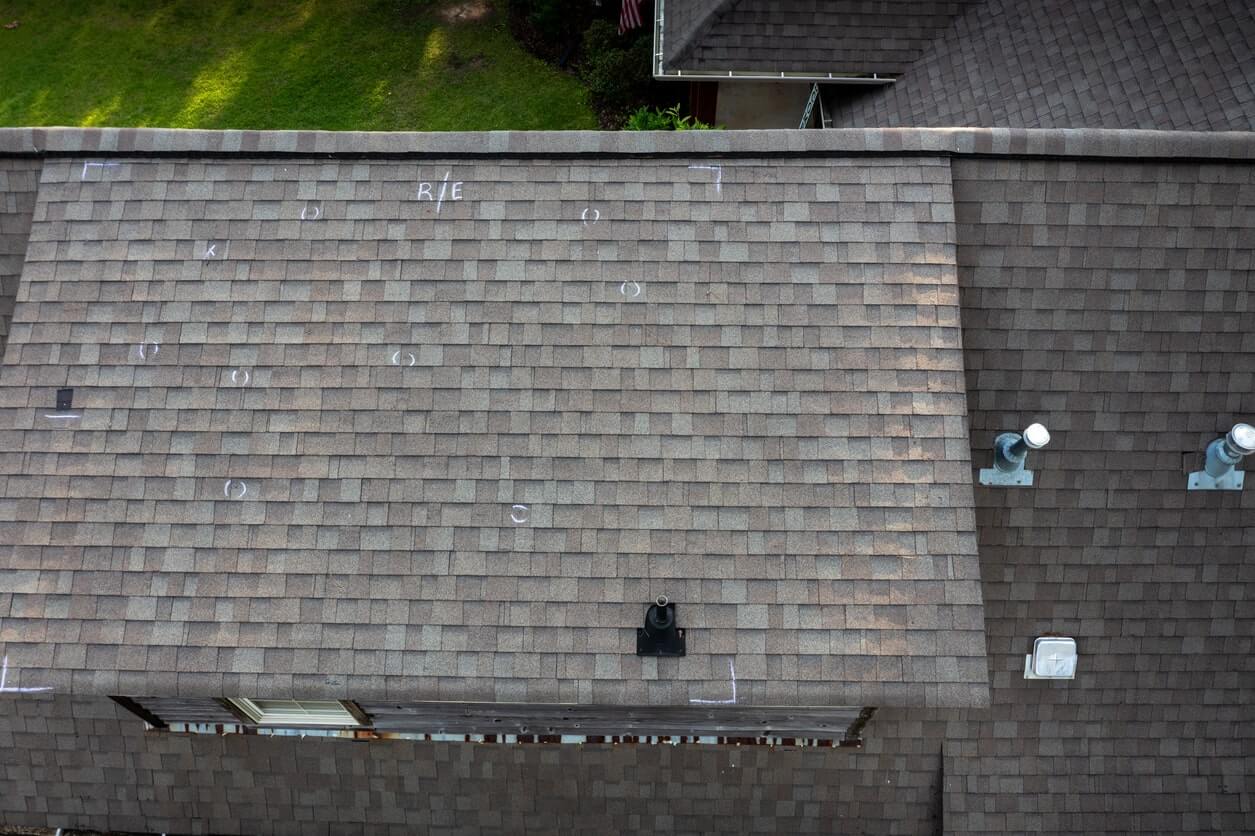
| Hail bruising and granule loss | Moderate to severe hail common in spring | Hidden damage weakens shingles and leads to leaks at valleys and roof edges |
| Active interior leaks | Storm damage combined with heavy rain | Water reaches ceilings and insulation quickly in single-family homes |
| Cracked or open roof decking | Severe impact or accumulated damage | May require repair scale to expand beyond patching into replacement work |
One detail Glenpool homeowners should know: repairs covering more than 3 squares may require a building permit, and if damage to roof decking or structural parts is discovered during the repair, the scale of that permit can expand. Working with a licensed contractor from the start keeps that process straightforward if your repair ends up being larger than expected.
Once water gets past a damaged roof, it moves quickly through insulation, framing, and into your ceilings. Emergency repair work focuses on stopping that spread at the source so your drywall, insulation, and interior finishes have the best chance of coming through without lasting damage.
Vents, chimneys, skylights, and roof edges are common failure points after wind and hail move through Glenpool. Emergency repairs include resealing and resecuring flashing at these spots, since even a small space around a gap can let in water during the next rainstorm.
Hail can strip granules from asphalt shingles without visibly cracking them, leaving the surface underneath exposed to sun and rain. Addressing this as part of emergency repair keeps weakened shingles from deteriorating further between now and when you are ready for any broader work.
Roof valleys channel large volumes of water off your home during heavy spring rains, and damaged edges can allow wind-driven water to work underneath the roofing material. Stabilizing these areas during an emergency repair reduces the risk of a secondary leak showing up days after the initial damage is addressed.
Glenpool’s weather does not give roofs much of a break. Between the wet spring season, summer heat, and temperature swings that stress materials through winter, there are plenty of opportunities for a small vulnerable spot to turn into a real problem. Getting emergency repair work done quickly protects your home from the kind of damage that reaches beyond your roof and into your ceilings, walls, and insulation. A fast, well-executed repair also helps you avoid the higher costs that come with putting it off through another round of rain or wind.
If your roof has taken a hit recently or a leak has shown up after a storm, Peak Performance Roofing & Construction is ready to help. Reaching out sooner rather than later gives you more options and keeps the repair scope as manageable as possible. When you are ready to take the next step, give us a call or fill out the form on this page.
Got questions about your roof? We’ve got answers. From maintenance tips to insurance claims and repair timelines, our FAQ section covers the most common concerns homeowners have. Get informed and make confident decisions about protecting your home.
In most cases, a crew can place a tarp or secure loose materials even in light rain, but full repair work needs dry conditions to ensure materials seal and bond correctly. Glenpool’s spring storm pattern often means multiple rainstorms in quick succession, so temporary stabilization is a real and common first step rather than a last resort. The goal is to stop water from getting in until conditions allow for a permanent fix.
Yes, and this catches a lot of homeowners off guard. Hail can bruise asphalt shingles and knock off granules without leaving a visible crack or hole, but those weakened spots tend to fail weeks or even months later when rain finds its way through. If your area took hail recently, getting a roof inspection done now is a smarter move than waiting for a leak to appear inside your home.
This is something a lot of homeowners don’t think to ask about until they’re already mid-repair. In Glenpool, repairs covering more than 3 squares require a building permit, and if roof decking or structural parts are found damaged while the roof is open, the permit’s job scale has to be updated to reflect that. Working with a licensed contractor from the start keeps that process straightforward and ensures the work is done correctly if the job turns out to be bigger than the initial repair.

Call now for a free inspection and estimate—let's protect your home or business today!
Trusted by Tulsa homeowners and recognized for our dedication to quality and customer service.
Our 24/7 support and emergency response mean your needs come first, every step of the way.
Get In Touch Today
