 (918) 694-1483

Trusted by Tulsa homeowners and recognized for our dedication to quality and customer service.
Performance Peaked, Every Time!
Performance Peaked, Every Time!
Inola sits right in the heart of Oklahoma's severe weather corridor, and your roof takes the brunt of it year after year. Summers push temperatures into the low 90s, spring storms roll through with hail and strong wind, and winter brings cold snaps and occasional snow. Add in the steady rain that falls from spring well into early fall, and you have a range of weather conditions that can wear down a standard roof faster than most homeowners expect. When a roof starts giving out under that kind of pressure, the damage does not stay on the surface for long.
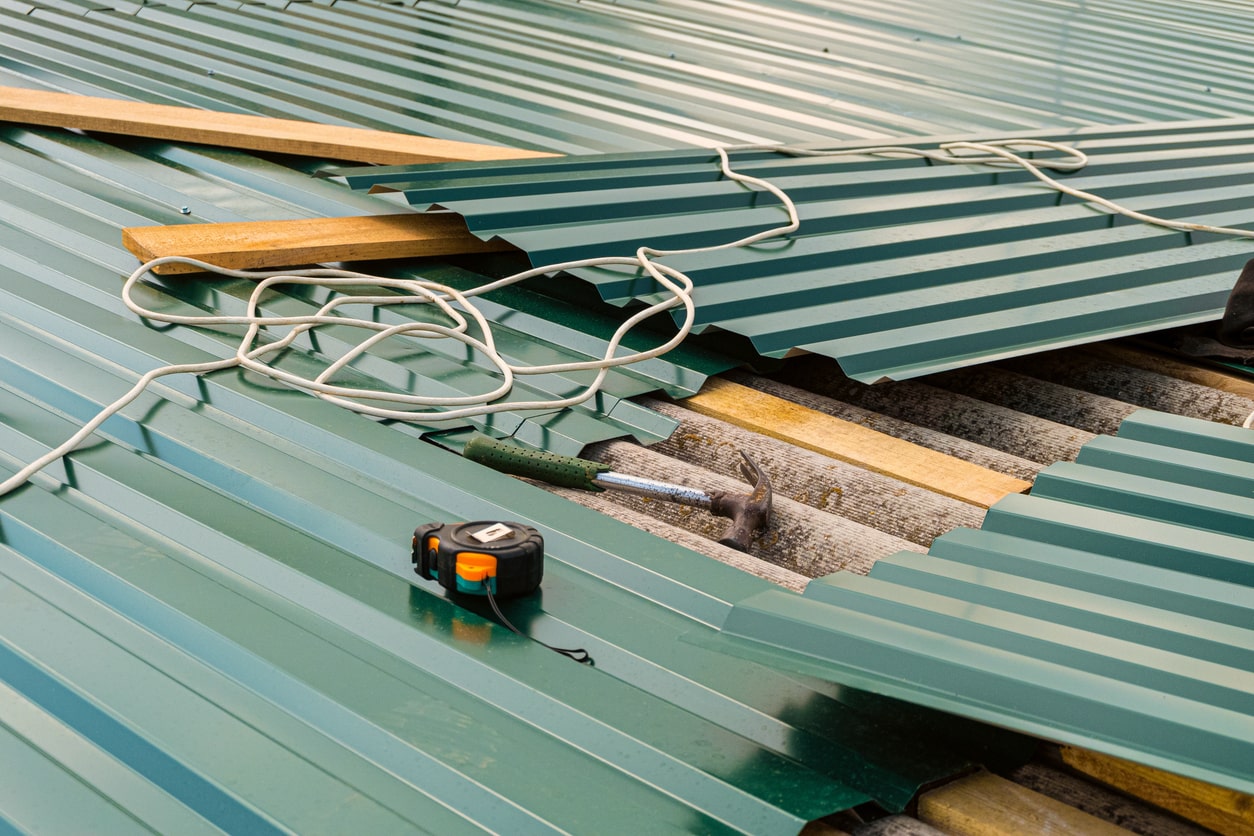
Metal roof installation gives Inola homeowners a real answer to those challenges. Metal handles heat, wind, hail, and repeated rainfall better than most other roofing materials, making it a practical long-term choice for single-family homes and outbuildings across Rogers County. Standing seam systems, in particular, use concealed fasteners that reduce the spots where leaks tend to develop, which matters a lot in a region where wind-driven rain and hail are regular visitors. Thicker-gauge steel holds up well against the impact that Oklahoma storms deliver, and the material typically stays watertight even when hail leaves surface marks behind.
Peak Performance Roofing & Construction works with Inola homeowners who want a roof built to last through the full range of what this area throws at it. That means proper installation details from the roof deck up, with a focus on wind performance and long-term durability over many years of Oklahoma weather.
A metal roof replacement involves more than selecting panels and scheduling installation. Peak Performance Roofing & Construction evaluates the existing roof, helps you choose appropriate materials, and checks the finished installation before the project is complete.
Not every metal roofing system is built the same way, and the differences matter a lot in a place like Inola where storms can be serious and repeated. Choosing the right panel type and material gauge for your home can be the difference between a roof that holds up year after year and one that needs attention after every rough season.
| Panel Type | How It Works | Best Fit for Inola Conditions |
|---|---|---|
| Standing Seam | Concealed fasteners lock panels together at raised seams | Strong choice for wind-driven rain and hail exposure; fewer leak-prone points |
| Exposed Fastener Panels | Panels attach with fasteners that remain visible on the surface | Lower upfront cost; fastener points require attention over time in wet, windy conditions |
| 24-Gauge Steel | Thicker steel with greater resistance to impact | Recommended for hail-prone areas; handles Oklahoma storm impact better than lighter gauges |
| Heavier Gauge Options | Increased material thickness for demanding conditions | Worth considering for homes and outbuildings in rural Rogers County with frequent storm exposure |
Beyond the panel style, proper installation details are what make a metal roof perform the way it should. Wind uplift resistance depends on the full system working together, not just the panel material itself. Getting those details right from the start is what separates a roof that lasts from one that develops problems after the first bad storm rolls through.
A metal roof is only as solid as what sits beneath it. Before panels go on, your roof deck gets a thorough check for soft spots, rot, or damage, and the right underlayment is installed to protect against moisture and reduce noise from rain and hail.
Valleys, eaves, ridges, pipe boots, and roof-to-wall connections each get properly fitted flashing as part of the installation. These transition points are where leaks most often start, so getting the flashing details right is one of the most important parts of a metal roof job.
The ridge cap seals the peak of your roof against wind and rain, while drip edge along the eaves keeps water moving away from your fascia boards and roof deck. Both are installed as part of a complete system, not added as an afterthought.
In a region where strong storms are common, how panels are fastened matters as much as what panels you choose. Your installation follows fastening patterns designed to hold up against the kind of wind uplift that Oklahoma storms regularly produce, so the roof stays put when it counts.
Oklahoma's mix of seasonal rain, summer heat, and winter cold puts real, ongoing stress on any roof. A properly installed metal roof handles those conditions without asking much of you in return. No repeated repair cycles, no wondering how your roof held up after a rough storm rolled through. For homeowners in the Inola area, that kind of reliability is not just a nice feature; it protects the value of your property and keeps unexpected repair costs off your plate for years to come.
If you are ready to move forward or just want to talk through whether a metal roof is the right fit for your home, Peak Performance Roofing & Construction is ready to help. Reach out whenever you are ready, and we will start with a straightforward conversation about your home and your options.
Got questions about your roof? We’ve got answers. From maintenance tips to insurance claims and repair timelines, our FAQ section covers the most common concerns homeowners have. Get informed and make confident decisions about protecting your home.
This is one of the most common concerns homeowners bring up, and the answer depends a lot on how the roof is installed. When proper underlayment is used beneath the panels, and the roof deck is solid, the sound difference compared to asphalt shingles is minimal for most people. In Inola, where spring storms can bring serious rainfall and hail, that underlayment layer does real work in keeping interior noise manageable.
Yes, Rogers County requires a permit for roof replacement and related structural work, and that permit needs to be pulled before installation begins. Your contractor handles this through the county building office, so it’s not something you have to sort out on your own. Inspections are part of the process, and having everything permitted correctly protects you if you ever sell your home or file a claim down the road.
Not necessarily. A metal roofing system can take surface dents from hail impacts and remain fully watertight, which is a real advantage in a region like Inola that sees repeated hail exposure over the years. Thicker-gauge steel, like 24-gauge or heavier, resists denting better than lighter material, so panel choice matters when you are planning for long-term performance. A post-storm inspection can tell you whether any dents affected the roof's ability to shed water or if the damage is cosmetic only.
Call now for a free inspection and estimate—let's protect your home or business today!
Trusted by Tulsa homeowners and recognized for our dedication to quality and customer service.
Our 24/7 support and emergency response mean your needs come first, every step of the way.
Get In Touch Today
