 (918) 694-1483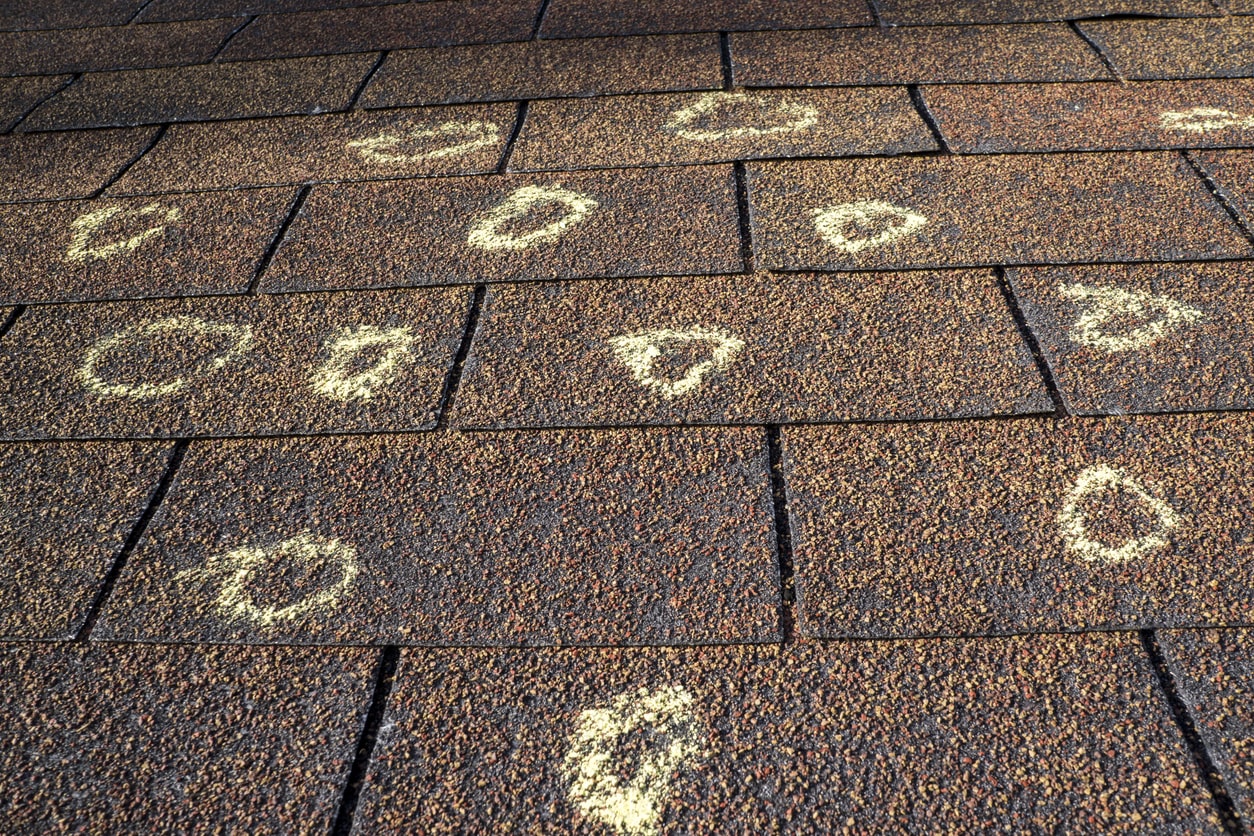
Trusted by Tulsa homeowners and recognized for our dedication to quality and customer service.
Performance Peaked, Every Time!
Performance Peaked, Every Time!
Kiefer homeowners deal with some of the most demanding weather conditions in the region. Spring brings heavy rain and windstorms that can loosen shingles or lift flashing before you even notice a problem inside. Summer follows with heat that pushes into the 90s, baking shingles until they crack, warp, or blister. Then, fall and winter cycle through moisture, temperature changes, and occasional freezing that stress seals and create the conditions for ice dams and interior leaks. That kind of year-round pressure adds up, and a roof that looks fine from the street can be hiding real damage in the roof decking, around the flashing, or along the ridge line.
A professional roof inspection gives you a clear picture of where your roof actually stands before small problems turn into expensive repairs. At Peak Performance Roofing & Construction, we know this area and the specific ways Oklahoma weather wears on a home. We look beyond surface-level shingle condition to check the roof deck’s structural integrity, drainage performance, ventilation, and the seals around every roof gap. Those are the spots that fail quietly and cause the most damage over time.
One detail that often gets overlooked is whether a home has a double-layer roof, where a second layer of shingles was installed over the original. That setup makes it much harder to spot compromised roof decking or hidden moisture damage without a thorough inspection, and it can significantly affect how your roof holds up after a storm.
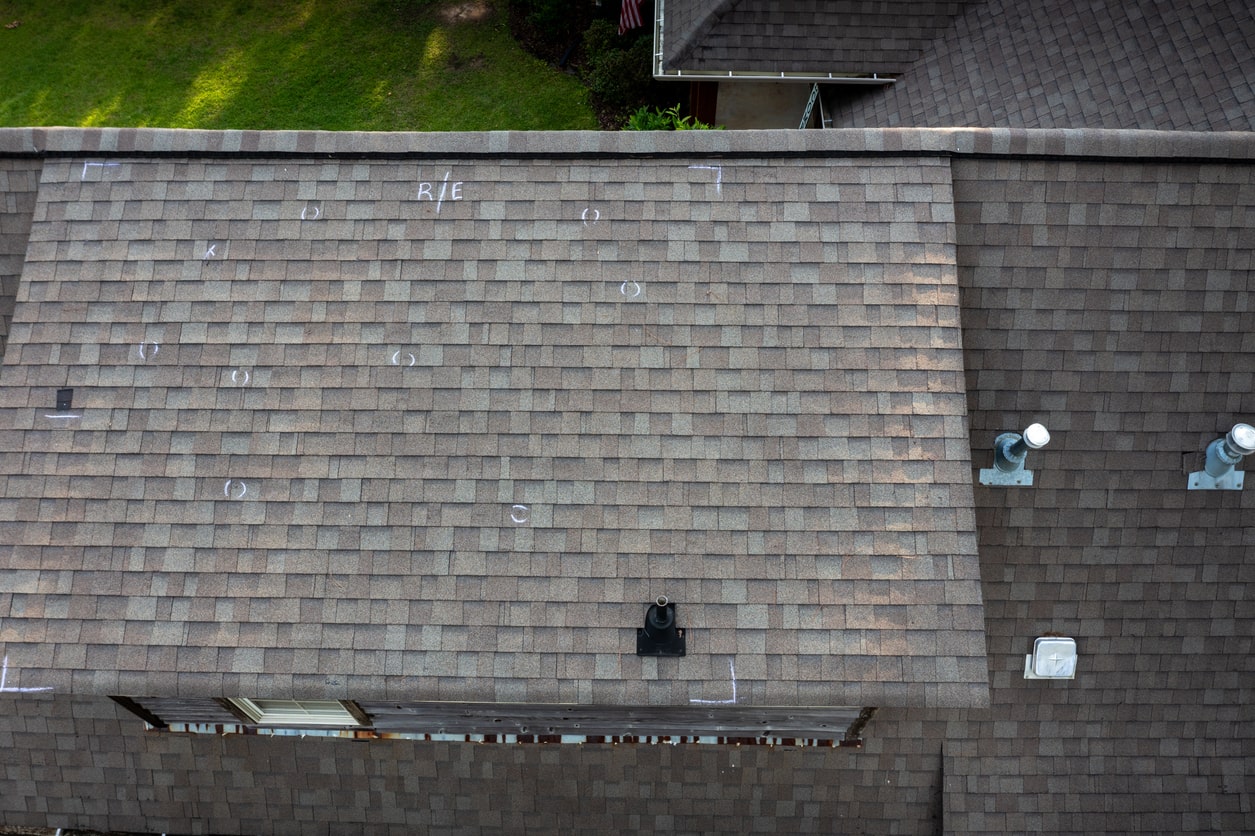
A roof inspection provides the information needed to understand your roof’s condition and identify issues that may not be visible from the ground. Our process focuses on a detailed evaluation, accurate documentation, and honest recommendations based on what your roof actually needs.
A roof inspection touches more than just shingles. In Kiefer, where hail and wind push roofs hard on a regular basis, knowing exactly what gets checked and how often can help you stay ahead of the kind of damage that quietly gets worse between storms.
| What Gets Inspected | What We Look For | Why It Matters in Kiefer |
|---|---|---|
| Shingles and ridge caps | Creasing, missing pieces, lifting at edges | Wind pulls at edges and ridge lines first during storms |
| The roof deck’s structural integrity | Spongy feel, sagging, visible daylight through boards | Weakened roof decking cannot support shingles or handle future storms |
| Flashing and seals | Lifted, cracked, or separated flashing around vents and gaps | These spots fail quietly and allow water to travel into the structure |
| Gutters and drainage | Sagging sections, clogs, improper pitch, and overflow staining on fascia boards | Poor drainage pushes water back under shingles and toward the foundation |
| Attic ventilation | Moisture buildup, inadequate airflow, signs of mold or mildew | Poor ventilation traps heat and moisture, breaking down roofing materials from the inside |
For most Kiefer homeowners, a check every 2 years is a reasonable baseline, with an additional inspection after any significant hail or wind storm. Catching issues early keeps repairs manageable and gives you time to consider whether impact-resistant options like Class F or Class H shingles make sense for your home. Working with a contractor who has been in business for at least 5 years also means someone will still be around to stand behind the work if questions come up later.
Oklahoma’s hail season can leave damage that looks minor on the surface but weakens shingles in ways that accelerate wear over the following months. Our inspection identifies soft spots, bruising, and granule loss specific to hail strikes, so you know exactly what you’re dealing with before that damage quietly gets worse.
Improper nailing patterns and installation shortcuts are a leading cause of premature roof failure, and they’re not visible unless someone knows what to look for up close. We check fastener placement and shingle seating to confirm your roof was put together in a way that will actually hold up against the windstorms Kiefer sees regularly.
Homes with a second layer of shingles installed over the original carry hidden risks that a surface-level look simply won’t catch, including concealed moisture damage and roof decking that can’t handle the added weight after a storm. We give these roofs a deeper look to flag problems that wouldn’t show up otherwise, so you’re not caught off guard when conditions get rough.
At the end of the inspection, you receive a clear written record of your roof’s condition with photographs covering every area we checked. That documentation gives you something concrete to reference if you’re tracking wear over time or planning repairs down the road, and it reflects exactly what was found, not a general summary.
Your roof takes on everything Oklahoma throws at it year after year, and the wear from that kind of exposure rarely announces itself with obvious signs. A proper inspection gives you an accurate picture of where things actually stand, so you can address small issues before they turn into expensive projects and keep your home protected through whatever the next season brings. Spring and fall are ideal times to schedule, but any point in the year when conditions are moderate works well.
Peak Performance Roofing & Construction is here to help Kiefer homeowners get a clear, honest look at their roofs without pressure or guesswork. If you’re ready to know where your roof stands, reach out, and we’ll get you scheduled.
Got questions about your roof? We’ve got answers. From maintenance tips to insurance claims and repair timelines, our FAQ section covers the most common concerns homeowners have. Get informed and make confident decisions about protecting your home.
It actually does. When shingles heat up on a summer afternoon, they become soft enough that foot traffic can cause dents or surface damage that wasn’t there before. Scheduling earlier in the morning gives the roof a chance to cool down from overnight temperatures, which protects the shingles during the inspection and gives the inspector a more accurate read on the surface condition.
Yes, because hail and wind damage can occur on a roof that was in solid shape just weeks before. Oklahoma storms can crease shingles, crack seals, and loosen ridge caps without leaving obvious signs from the ground. A clean inspection history tells you where your roof stood before the storm, not after it, so a post-storm check is a separate and worthwhile step.
More than most homeowners expect. When attic airflow is poor, heat and moisture build up underneath the roofing materials and break them down from the inside out, which means a roof can deteriorate even without storm damage. In Kiefer’s humid conditions, that trapped moisture also creates the right environment for mold and mildew to develop along the roof decking and insulation, so ventilation is always part of what we check during an inspection.
Call now for a free inspection and estimate—let's protect your home or business today!
Trusted by Tulsa homeowners and recognized for our dedication to quality and customer service.
Our 24/7 support and emergency response mean your needs come first, every step of the way.
Get In Touch Today
