
 (918) 694-1483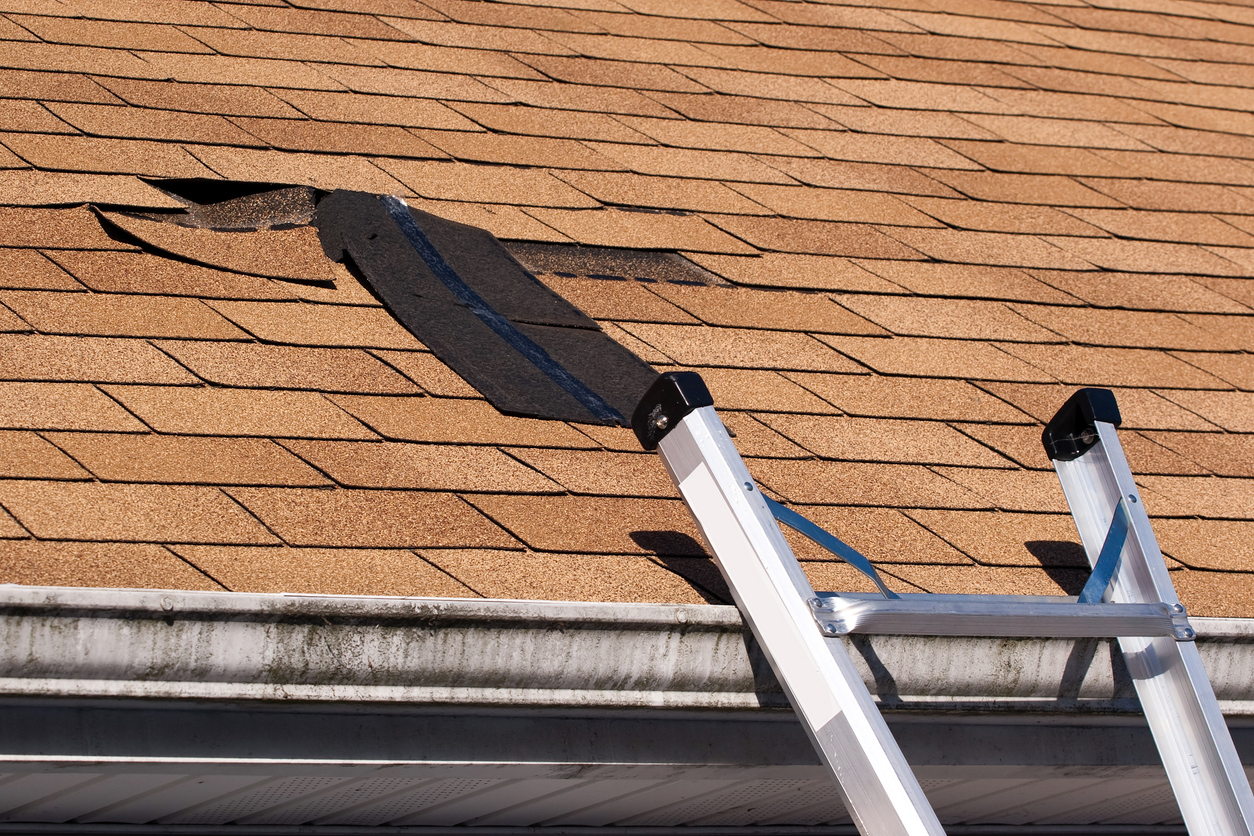
Trusted by Tulsa homeowners and recognized for our dedication to quality and customer service.
Performance Peaked, Every Time!
Performance Peaked, Every Time!
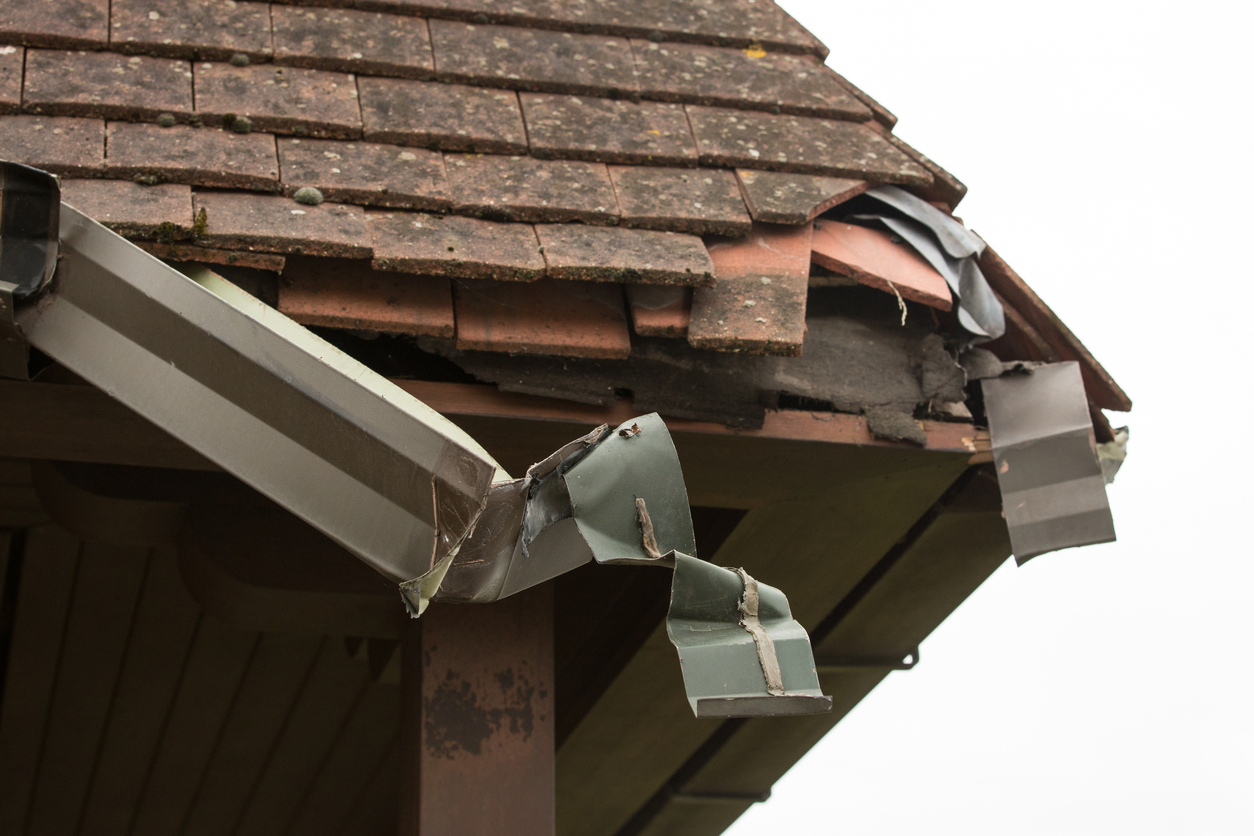
Living in Kiefer means your roof takes a beating that most parts of the country never see. Sitting squarely in Tornado Alley, this area sees spring storms roll through with hail, high winds, and heavy rainfall that can strip shingles, crack flashing, and leave your roof decking vulnerable before you even realize damage has occurred. Summer pushes temperatures into the 90s and beyond, while winter nights can drop well below freezing, and that constant cycle of expansion and contraction wears roofing materials down faster than the calendar suggests. Add in the humidity and above-average annual rainfall, and you have conditions that accelerate aging, invite mold and algae growth, and turn small issues into expensive repairs if they go unaddressed.
Staying ahead of that damage is exactly what Peak Performance Roofing & Construction helps Kiefer homeowners do. Professional residential roof repair means more than patching a visible leak. It means getting a trained eye on your shingles, flashing, and roof decking to catch the problems that aren’t obvious yet, and making repairs that hold up against the next storm, not just the current one. Your home is a real investment, and the roof is the first line of defense protecting everything inside it.
Getting repairs done right, with materials suited to Oklahoma’s demanding weather conditions, is what keeps that investment standing for years to come.
Roof repairs should start with understanding the actual problem before deciding how to address it. A detailed evaluation helps identify the right repair approach and prevents unnecessary work.
Oklahoma’s weather puts roofs through a hard cycle year after year, and certain problems come up repeatedly for Kiefer homeowners. Knowing what typically needs repair and what causes it helps you spot trouble early and understand what your contractor finds during an inspection.
| Common Issue | Likely Cause | Why It Matters |
|---|---|---|
| Damaged or missing shingles | Hail impact, high winds, or prolonged UV exposure | Exposes roof decking to moisture and accelerates structural wear |
| Flashing failures | Temperature changes cause repeated expansion and contraction | Gaps around chimneys, vents, and valleys allow leaks to develop |
| Granule loss on shingles | Storm impact and natural aging | Reduces shingle effectiveness and shortens remaining roof life |
| Algae and mold growth | High humidity combined with poor ventilation | Degrades roofing materials and signals a moisture problem underneath |
| Soft or sagging roof decking | Long-term moisture from undetected leaks | Requires quick repair to prevent more extensive structural damage |
Most of these issues are repairable when caught early. The longer any one of them sits unaddressed, the more it tends to affect surrounding parts of the roof. A complete inspection after any significant storm gives you a clear picture of where your roof stands before small problems grow into larger ones.
Not every repair calls for the same material, and using shingles or flashing that can’t hold up to Oklahoma hail and wind just puts you back in the same situation after the next storm. We match replacement materials to the demands of Kiefer’s weather conditions, including impact-resistant options rated to handle the hail sizes this area regularly sees.
Chimneys, skylights, vents, and roof valleys are the spots where leaks most often start, and proper flashing work requires precise fitting and sealing to keep those junctions watertight. Whether your flashing needs to be resealed or fully replaced, we address the source of the problem rather than covering it over.
Poor ventilation is one of the quieter causes of roof damage in this region, trapping heat and moisture that degrade materials from the inside out and promote mold growth over time. As part of your repair service, we take a look at how your attic is ventilating so any underlying airflow issues don’t undo the repair work above.
Overhanging branches and built-up debris hold moisture against your roof and can cause surface damage during windstorms, which is a real concern given the storm frequency in this area. We clear the immediate repair zone of debris and flag any nearby tree coverage that could put your roof at risk going forward.
Oklahoma’s weather does not give roofs much rest, and Kiefer homes sit right in the middle of some of the most demanding conditions in the country. Between the heat, the freezing nights, the wind, and the rain that rolls through each season, small roof problems rarely stay small on their own. Addressing repairs while damage is still manageable protects your home, keeps your property value where it should be, and avoids the kind of expense that comes when a minor fix gets pushed too far down the list.
Peak Performance Roofing and Construction is ready to help when you are. Whether you have visible damage after a recent storm or you want a trained set of eyes on your roof before the next one arrives, reaching out is a straightforward first step. There is no pressure and no guesswork involved. Just honest work done by people who understand what Kiefer roofs go through and how to fix them properly.
Got questions about your roof? We’ve got answers. From maintenance tips to insurance claims and repair timelines, our FAQ section covers the most common concerns homeowners have. Get informed and make confident decisions about protecting your home.
Hail damage often does its worst work before any leak shows up indoors. Impacts can crack shingles, knock off granules, and dent flashing without breaking all the way through right away, but those weakened spots tend to fail once rain and heat cycles continue working on them. A post-storm roof inspection is the most reliable way to catch this early, because what looks fine from the ground often tells a different story up close.
It can, especially with asphalt shingles, which need adequate temperature to seal and adhere properly. Repairs done during Kiefer’s peak summer heat or on unusually cold winter days can affect how well materials bond, which is why late spring and early fall tend to produce the most reliable results. That said, storm damage should not wait for ideal weather, and experienced contractors know how to work within seasonal conditions to get solid repairs done year-round.
Ask whether they are licensed and insured in Oklahoma and whether the repair will meet current Tulsa County building code requirements. You should also ask whether the replacement materials being used are rated for impact resistance, since standard shingles and impact-resistant options perform very differently after a hailstorm in this region. Getting clear answers on both points before work starts protects you if questions come up later about the repair or the materials used.
Call now for a free inspection and estimate—let's protect your home or business today!
Trusted by Tulsa homeowners and recognized for our dedication to quality and customer service.
Our 24/7 support and emergency response mean your needs come first, every step of the way.
Get In Touch Today
