
 (918) 694-1483
Trusted by Tulsa homeowners and recognized for our dedication to quality and customer service.
Performance Peaked, Every Time!
Performance Peaked, Every Time!
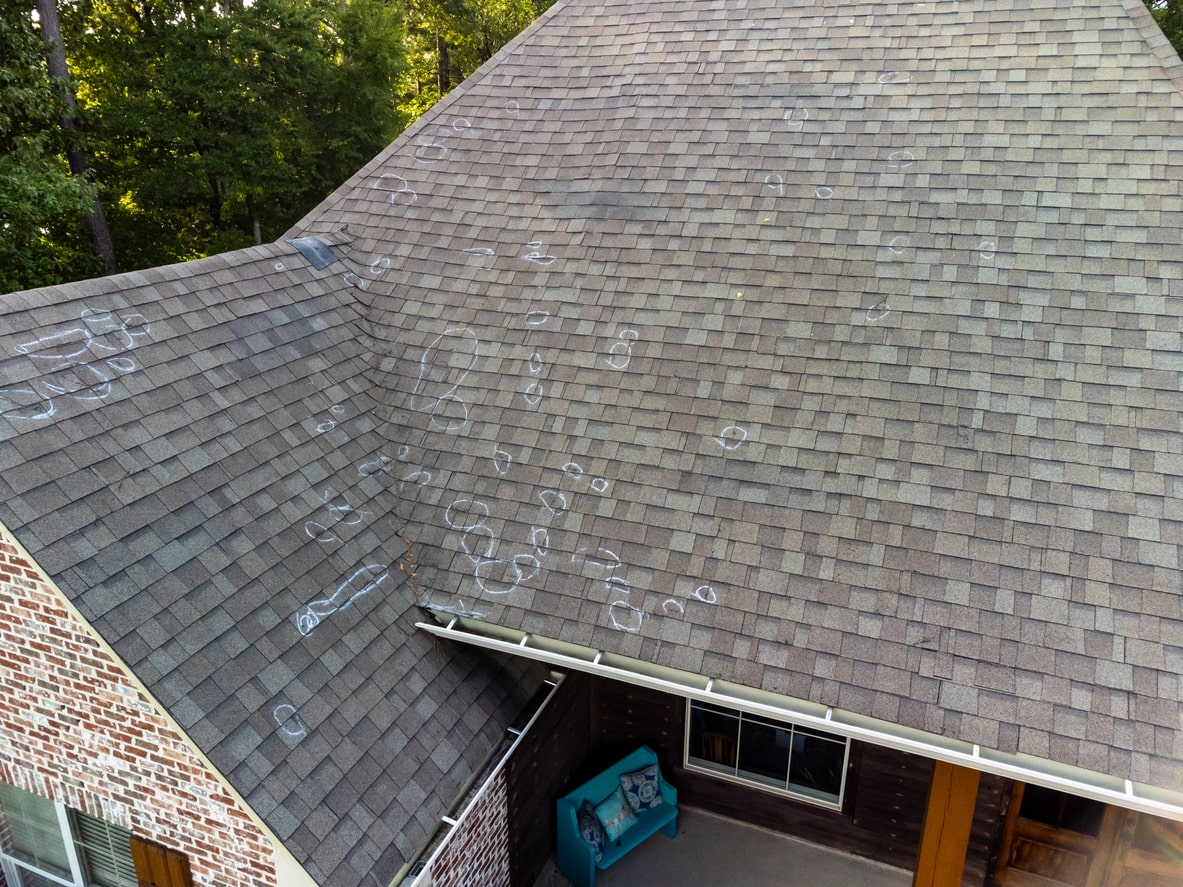
Northeast Oklahoma is no stranger to severe spring storms, and Oologah takes its share of them. When a hailstorm rolls through Rogers County, it doesn't just leave dents in your car. It hits your roof hard, knocking granules off shingles, cracking seal strips, bending gutters, and opening up flashing around vents and chimneys. Some of that damage is easy to spot from the ground, but a lot of it isn't. What looks minor after a storm can quietly turn into leaks once the next round of rain arrives.
Asphalt shingles are the most common roof type in the area, and they're particularly vulnerable to the kind of hail northeast Oklahoma sees in spring and early summer. A storm that leaves behind only granule loss might seem cosmetic at first, but stripped shingles lose their ability to shed water properly, especially as heat and repeated temperature changes work on them through the rest of the year. The damage adds up over time when it isn't addressed.
Peak Performance Roofing & Construction works with Oologah homeowners after hailstorm to inspect roof surfaces, identify both visible and hidden damage, and make repairs before small problems become expensive ones. That includes shingle replacement, flashing repairs, vent boot fixes, and gutter work, covering the full picture of what hail typically touches on a residential roof.
Storm damage creates uncertainty about what is actually affected and how the repair process will proceed.
Hail doesn't limit itself to one spot on your roof, and understanding where damage tends to show up helps you know what a thorough inspection should cover. In northeast Oklahoma, a single storm can affect multiple parts of your roofing system at once, and some of the most consequential damage happens away from the main shingle field.
| Roof Area | Common Hail Impact | Why It Matters |
|---|---|---|
| Asphalt Shingles | Granule loss, cracked seal strips, split or bruised shingles | Stripped shingles lose water-shedding ability and weaken faster under heat |
| Pipe and Vent Flashing | Bent metal, broken seals around roof gaps | Open gaps around pipes and vents are a direct path for leaks |
| Chimney and Skylight Flashing | Lifted or separated flashing edges | Water collects and channels inward at these joints after storm impact |
| Gutters and Downspouts | Dents, separations, and bent sections | Damaged drainage pushes water back toward the fascia boards and roofline |
| Vent Boots | Cracked rubber collars, displaced boot caps | Failed boots allow water to track down the vent pipes directly into the attic |
Homes near Oologah Lake and on larger rural lots often have rooflines that are harder to read from the ground, so a hands-on inspection matters more than a quick visual pass. If you're looking for a local contractor who knows this area, our Oologah service page has more information on how we work with homeowners in this part of Rogers County. Spring storms can leave damage that stays hidden until the next heavy rain, which is exactly why getting eyes on the full roof surface quickly after a storm is the right call.
When cracked or missing shingles get replaced, the new material is matched as closely as possible to what's already on your roof in terms of color, profile, and weight. A repair that blends in properly isn't just about appearances; it means the repaired section performs consistently with the rest of your roof instead of becoming a weak point.
Hail strikes can break the thermal bond on shingle seal strips without cracking the shingle itself, leaving tabs loose and vulnerable to wind lift even when the surface looks intact. Resealing or replacing these shingles closes that vulnerability before the next round of storms gives them a chance to peel back.
Dented gutters and bent downspout sections are repaired alongside the roof surface rather than left for a separate visit. Drainage that doesn't flow correctly after a hailstorm pushes water toward your fascia boards and foundation, so getting it addressed at the same time keeps the repair complete and your home protected.
Not every mark a hailstorm leaves behind requires the same response, and knowing the difference saves you from either overpaying for unnecessary work or underreacting to damage that's actively letting water in. Your repair scale is built around what's actually affecting your roof's performance, not just what looks bad from the ground.
Spring storm season in northeast Oklahoma moves fast, and roofs that took a hit earlier in the season can sit with hidden damage for weeks before the next rain makes the problem obvious. Addressing hail damage quickly protects your home from the kind of water damage that starts small and turns expensive. A roof that performs the way it should also holds its value better over time, which matters whether you plan to stay in your home for years or eventually sell it.
Peak Performance Roofing & Construction is ready to help Oologah homeowners get their roofs back in solid shape. If you had a storm come through recently or noticed something that didn't look right after the last round of weather, reaching out for an inspection is a straightforward next step. There is no pressure involved, just a clear picture of what your roof needs and an honest conversation about how to handle it.
Got questions about your roof? We’ve got answers. From maintenance tips to insurance claims and repair timelines, our FAQ section covers the most common concerns homeowners have. Get informed and make confident decisions about protecting your home.
The size and density of the hail matter a lot here. Smaller stones that cause scattered granule loss may only require targeted shingle repairs, while larger hail that cracks shingles across a wide area can compromise enough of the surface of the roof to make replacement the more practical call. A hands-on inspection is the only reliable way to tell the difference, because damage patterns look very different up close than they do from the ground or a quick visual pass.
This is one of the things homeowners in this area are often surprised by. A storm can leave your shingles looking mostly fine from the street while seal strips are broken, flashing is lifted, or granule loss has exposed the underlying mat. You may not see any sign of leaks until the next heavy rain works its way into those gaps, which in northeast Oklahoma can come quickly given how active spring and early summer tend to be. Getting your roof looked at shortly after a storm is the only way to catch that kind of hidden damage before water gets involved.
Gutters take a beating during hailstorms and are often overlooked because they aren't technically part of the roof surface. Dented or bent sections can't move water away from your home properly, which means drainage backs up against your fascia boards and foundation during the next heavy rain. Addressing gutter damage at the same time as your roof repairs keeps everything working together and prevents a new round of problems from developing right after the original ones are fixed.
Call now for a free inspection and estimate—let's protect your home or business today!
Trusted by Tulsa homeowners and recognized for our dedication to quality and customer service.
Our 24/7 support and emergency response mean your needs come first, every step of the way.
Get In Touch Today
