
 (918) 694-1483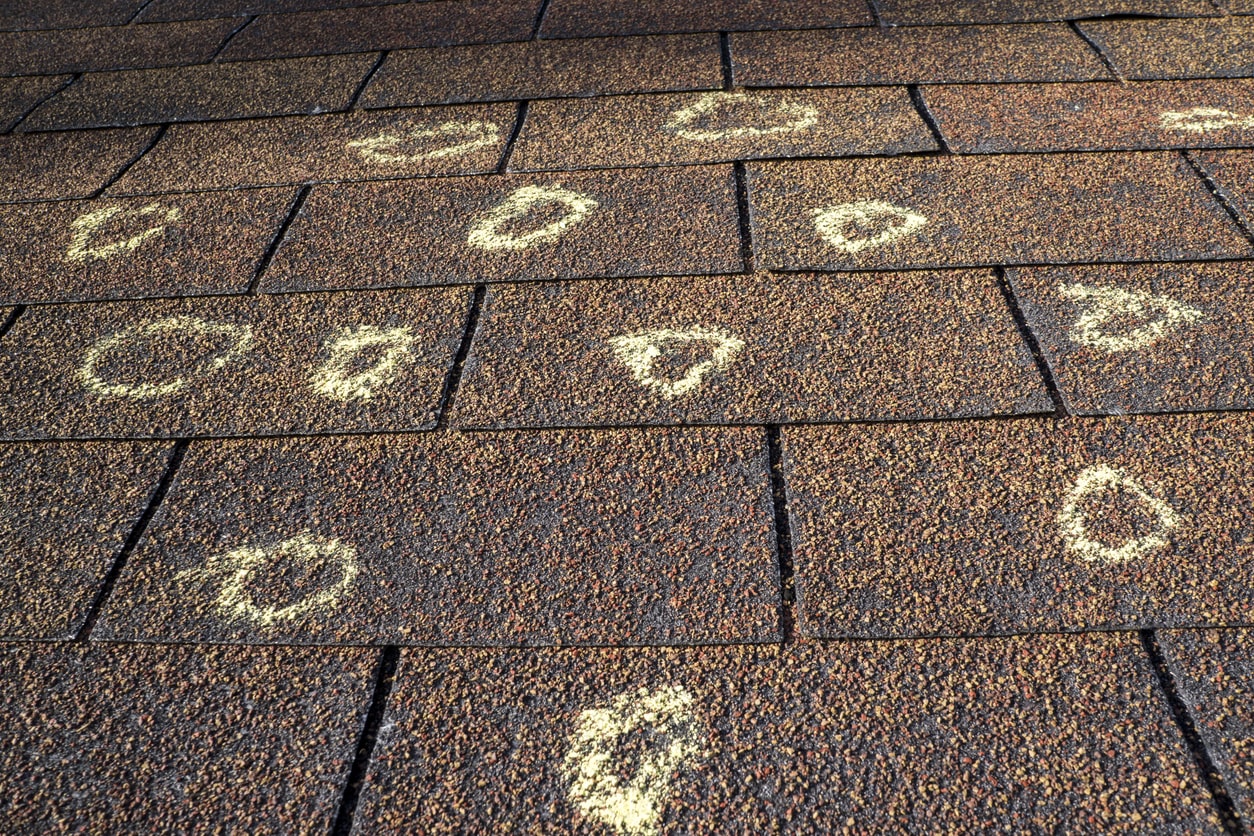
Trusted by Tulsa homeowners and recognized for our dedication to quality and customer service.
Performance Peaked, Every Time!
Performance Peaked, Every Time!
Stillwater puts roofs through a lot. Summers push temperatures into the 90s, winters drop into the 20s, and those repeated temperature changes wear on shingles, sealants, and flashing in ways that aren't always obvious from the ground. Add roughly 40 inches of annual rainfall concentrated in heavy spring thunderstorms, wind gusts that can hit 70 mph, and hail that occasionally reaches golf ball size, and you have conditions that can quietly damage a roof between one season and the next. Many homes in the area were built between the 1960s and 1990s, meaning a large portion of the housing stock is carrying aging asphalt shingle systems that are already working harder than they were designed to. Oak and pecan trees, common throughout the area, drop debris that collects in roof valleys and speeds up wear in ways that build up gradually and go unnoticed until water finds its way inside.
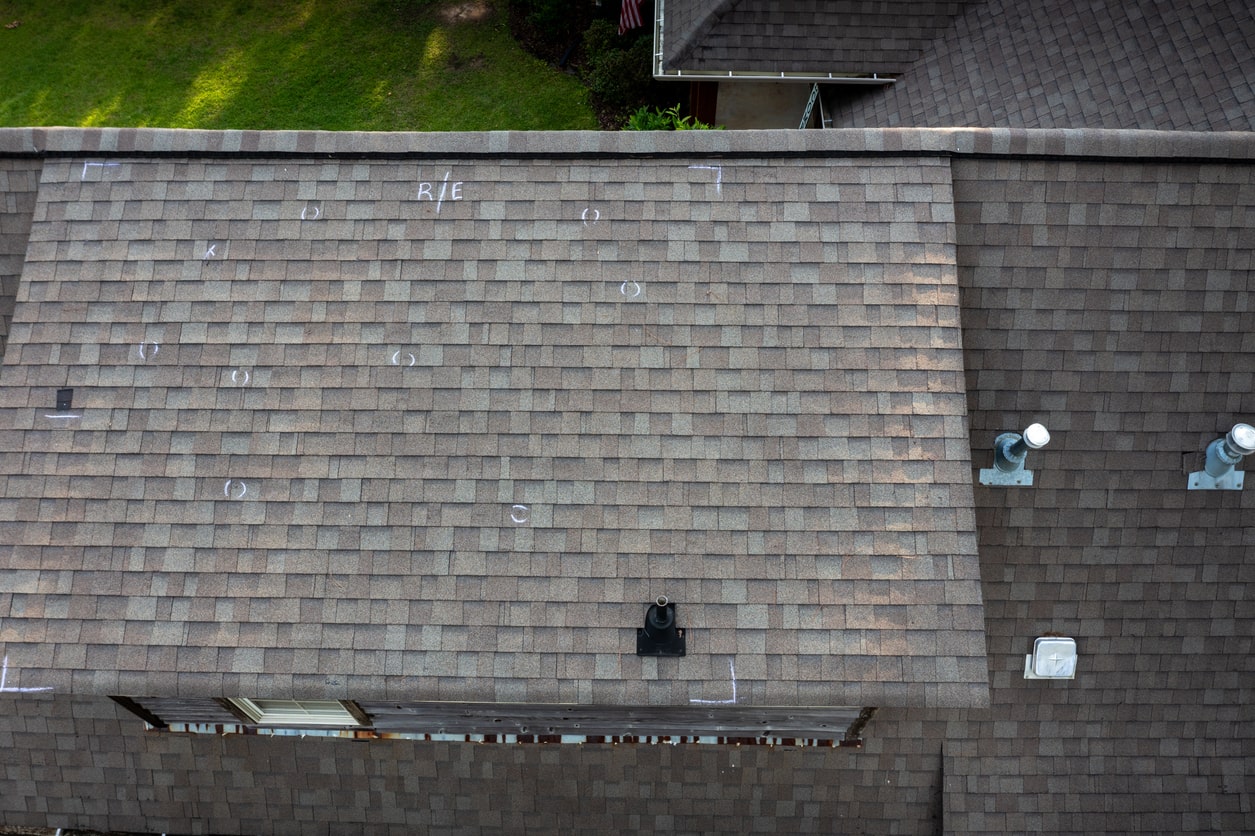
A professional roof inspection gives you a clear picture of where your roof actually stands before small problems become expensive ones. Peak Performance Roofing & Construction knows this market, the weather patterns, the housing stock, and the specific wear patterns that show up on Stillwater roofs. A complete inspection looks at everything your roof is dealing with, giving you the information you need to protect your home and make smart decisions about repairs or planning for replacement.
Knowing what to expect makes the whole process easier. Here is exactly how Peak Performance Roofing & Construction approaches a residential roof inspection so you are never left guessing about what happens next.
How often you schedule a roof inspection depends on your home's age, recent weather, and what your roof has already been through. Stillwater's conditions create enough ongoing wear that the typical 3 to 5 year inspection interval used in other parts of the country often doesn't apply here.
| Situation | Recommended Frequency | Primary Concern |
|---|---|---|
| Homes built before 1990 with original shingles | Annually | End-of-life shingle wear from cumulative temperature changes |
| Homes with mature oak or pecan trees nearby | Annually or after major storms | Valley and gutter clogging from debris buildup |
| Newer roofs in good condition | Every 2 to 3 years | Routine monitoring for wind and hail impact |
| After a significant storm | As soon as possible | Hidden hail impact and wind damage that adds up over time |
Spring and fall are the most practical times to schedule, giving you a clear picture of your roof's condition before the heaviest storm season or the coldest stretch of winter. If your home is in the older range of Stillwater's housing stock, an annual inspection is the most reliable way to stay ahead of the gradual wear that builds up quietly until it becomes something more serious. A complete inspection report also supports permit applications if repairs or replacement become necessary.
Asphalt shingles lose granules gradually from years of heat, hail impacts, and heavy rain, and once that protective layer thins out, the underlying material deteriorates fast. We look closely at granule coverage across your entire roof’s surface, including the areas that take the most direct exposure, so you know exactly how much life your shingles have left.
Flashing around chimneys, vents, and skylights is one of the most common places leaks start, especially on homes that have gone through decades of Stillwater's temperature swings. We inspect every sealed joint and metal flashing point for gaps, lifting, or cracking that would let water work its way into your home's structure.
Roof valleys funnel water off your home, and when oak or pecan debris packs into them, water backs up and sits against your shingles longer than it should. We inspect valley channels and gutter connections for debris accumulation and signs of standing water damage, then let you know how often clearing is worth doing, given your tree coverage.
What sits beneath your shingles matters just as much as the surface, especially on homes built in the 1960s through 1990s, where the roof decking has absorbed decades of seasonal stress. We look for signs of sagging, soft spots, or moisture damage in the deck and soffit areas that could point to a deeper issue beyond what the shingle surface shows.
Stillwater's weather doesn't ease up, and neither does the gradual wear it puts on your roof year after year. The combination of seasonal temperature changes, spring storm activity, and debris from the area's mature tree coverage means small issues can develop quietly between inspections and surface at the worst possible time. Catching those problems early keeps repair costs manageable and protects the long-term value of your home without forcing you into decisions under pressure.
When you are ready to get a clear picture of where your roof stands, Peak Performance Roofing and Construction is here to help. Spring and fall are ideal windows to schedule, but any time you have questions about your roof's condition is a good time to reach out. Contact us to set up your inspection and get the straightforward answers your home deserves.
Got questions about your roof? We’ve got answers. From maintenance tips to insurance claims and repair timelines, our FAQ section covers the most common concerns homeowners have. Get informed and make confident decisions about protecting your home.
Ground-level views miss a lot, especially on ranch and two-story homes, where hail impact and wind damage show up as subtle denting or granule loss that isn't visible without getting close to the surface. Stillwater's storm seasons are frequent enough that damage can accumulate between visible symptoms and what you can actually see from your driveway. By the time a leak is noticeable inside, the water has usually been working through the structure for a while, which makes the repair more involved than it would have been if caught earlier.
Debris from those trees collects in valleys and along gutter lines faster than most homeowners expect, and the moisture that stays trapped underneath accelerates shingle wear in those areas specifically. After a heavy spring storm, leaves and seed casings can pack tightly enough to hold standing water against your roof’s surface for days. Depending on your tree coverage, clearing valleys 2 or 3 times a year between inspections is often worth doing to keep that buildup from turning into a repair issue.
It gives buyers documented evidence of your roof's condition rather than leaving them to speculate, which often leads to lowball repair credits during negotiation. A formal inspection report also shows exactly what has been addressed and what is cosmetic versus structural, so the conversation stays grounded in facts. For older homes in Stillwater's housing stock, where buyers are likely already thinking about roof age, having that documentation upfront can make the transaction move more smoothly.

Call now for a free inspection and estimate—let's protect your home or business today!
Trusted by Tulsa homeowners and recognized for our dedication to quality and customer service.
Our 24/7 support and emergency response mean your needs come first, every step of the way.
Get In Touch Today
