 (918) 694-1483
 Understanding Synthetic Roofs: Your Guide to Modern Roofing Solutions
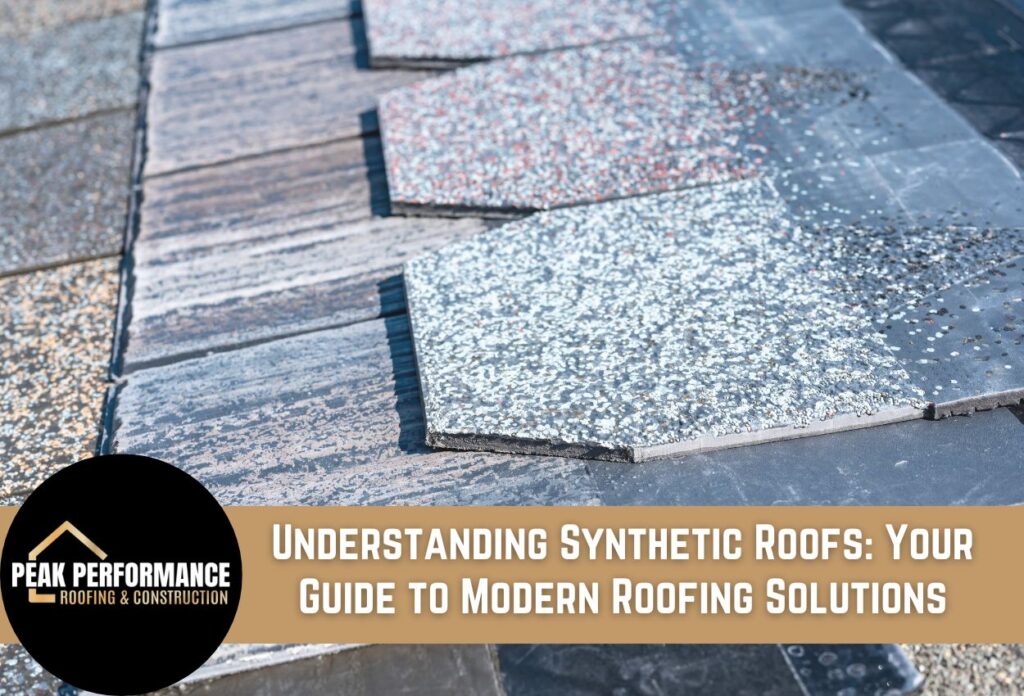
Unlike conventional asphalt shingles or natural materials, synthetic roofing materials undergo precise manufacturing processes that control every aspect of their composition. Composite roof shingles combine multiple materials to create products that resist weather damage, UV degradation, and impact from hail or debris. Synthetic slate roofing delivers the elegant appearance of natural stone without the weight limitations or installation challenges.
The popularity of polymer roofing systems has grown substantially among contractors and homeowners who recognize the long-term benefits these materials provide. Synthetic roofs offer consistent quality, reduced maintenance requirements, and enhanced durability compared to traditional options. These engineered materials resist common roofing problems such as cracking, splitting, and moisture absorption that frequently affect natural materials.
Modern synthetic roofing materials combine curb appeal with practical performance, making them increasingly attractive for residential and commercial applications. The technology behind these products continues advancing, creating roofing solutions that meet demanding performance standards while maintaining the visual characteristics homeowners desire.
Types of Synthetic Roofing Materials Available
The synthetic roofing materials market offers several distinct product categories, each engineered to address specific performance requirements and appearance preferences. Composite roof shingles lead the market as versatile artificial roofing products that blend recycled materials, advanced plastics, and rubber compounds. These shingles undergo specialized manufacturing processes that create realistic textures and colors matching traditional cedar shakes, slate, or tile.
Composite slate roofing represents another significant category within polymer roofing systems. These products utilize high-density polyethylene or polypropylene compounds that replicate natural slate’s distinctive appearance and texture.
Polymer roofing systems extend beyond individual shingles to include membrane-style products and modular panels. These synthetic roofing materials feature interlocking designs that create seamless installations with enhanced weather resistance. Advanced polymer formulations resist thermal expansion, impact damage, and chemical degradation, which are common problems with traditional materials.
Each category of artificial roofing products offers specific advantages in terms of installation requirements, maintenance needs, and longevity expectations. Composite materials typically provide the broadest range of style options, while synthetic slate delivers a premium appearance with reduced structural demands compared to natural alternatives.
Key Benefits of Choosing Synthetic Roofing
Synthetic roofing materials deliver exceptional durability and weather resistance that surpasses many traditional roofing options. These artificial roofing products are specifically engineered to withstand extreme weather conditions, including intense UV exposure, heavy rainfall, high winds, and significant temperature fluctuations. Composite roof shingles resist cracking, warping, and fading that commonly plague natural materials over time.
The polymer roofing systems utilize advanced chemical formulations that maintain structural integrity through decades of exposure to harsh environmental conditions.. These materials resist algae growth, mold development, and insect damage that frequently compromise organic roofing materials.
The reduced weight of polymer roofing systems decreases stress on existing home frameworks, eliminating the need for structural upgrades in most installations. This weight advantage allows homeowners to achieve premium appearances without compromising building integrity or requiring expensive structural modifications. Synthetic materials maintain their protective strength while reducing the overall load on roof structures by up to 70% compared to natural alternatives.
Appearance Options and Design Flexibility
Synthetic roofing materials excel in providing extensive visual appeal and customization possibilities that rival premium natural materials. Composite roof shingles can accurately replicate the distinctive grain patterns and weathered textures of cedar wood shakes while eliminating concerns about rot, insect damage, and fire hazards. Advanced manufacturing techniques allow synthetic slate roofing to capture the subtle color variations and dimensional characteristics of quarried stone without the associated weight and fragility issues.
These artificial roofing products extend design options beyond traditional limitations, offering consistent textures and colors that natural materials cannot match. Polymer roofing systems utilize precise molding processes that create uniform appearances while incorporating realistic weathering patterns and surface variations. Homeowners can select from extensive color palettes and texture combinations that maintain their specified appearance throughout the material’s service life.
Color retention represents a substantial advantage of synthetic roofing materials over traditional options. Natural wood shakes fade and silver over time, while clay tiles may lose their original vibrancy due to UV exposure and weather conditions. Synthetic materials, however, incorporate advanced UV-resistant pigments and stabilizers that preserve original coloration for decades, eliminating the need for periodic treatments or replacements to maintain curb appeal.
The long-term appearance benefits of artificial roofing products ensure homes maintain their intended appearance without the gradual deterioration common with organic materials. This color stability provides predictable visual outcomes that support property values over extended periods.
The Installation Process and Professional Requirements
Installing synthetic roofing materials requires specialized techniques that differ significantly from traditional roofing applications. Synthetic materials require precise handling procedures and specific fastening methods to ensure the best possible performance. These artificial roofing products often feature unique interlocking mechanisms or proprietary attachment systems that require a thorough understanding of manufacturer specifications.
Professional roofing contractors must adapt their installation approach when working with polymer roofing systems. Unlike standard asphalt shingles, synthetic roofing materials may require specific underlayment preparations, modified fastener spacing, and temperature-controlled installation conditions. The lightweight nature of these materials allows for easier handling during installation, but proper technique remains essential for achieving manufacturer warranty compliance.
Working with experienced roofing professionals ensures that synthetic roofing materials achieve their maximum performance potential and longevity. Contractors familiar with artificial roofing products understand the nuances of proper installation, including thermal expansion considerations, ventilation requirements, and weatherproofing techniques specific to synthetic materials. Professional installation prevents common mistakes that could compromise the system’s protective qualities or void manufacturer warranties.
The complexity of modern synthetic roofing materials requires contractors who stay current with evolving installation methods and product specifications. Proper installation techniques directly impact the long-term performance, weather resistance, and appearance of polymer roofing systems throughout their extended service life.
Maintenance and Longevity Expectations
Synthetic roofing materials require minimal maintenance compared to traditional roofing options, making them attractive for homeowners seeking long-term convenience. Routine care for composite roof shingles typically involves annual visual inspections and periodic cleaning to remove debris, leaves, and organic matter that may accumulate in valleys or gutters. Unlike natural materials that require regular treatments or replacements, artificial roofing products maintain their protective qualities with basic upkeep.
Cleaning procedures for polymer roofing systems involve standard low-pressure washing techniques using mild detergent solutions. Synthetic slate roofing resists staining and discoloration, but occasional cleaning helps maintain optimal appearance and prevents debris buildup that could trap moisture. These synthetic roofing materials do not require sealing, staining, or chemical treatments that natural wood or stone materials demand for preservation.
The expected lifespan for quality synthetic roofing materials typically ranges from 30 to 50 years, with many manufacturers offering comprehensive warranty coverage reflecting their confidence in product durability. Artificial roofing products often include warranties covering material defects, color retention, and weather resistance that exceed coverage available for traditional materials. These extensive warranties demonstrate the superior longevity expectations built into modern polymer roofing systems.
The value of synthetic roofing materials becomes evident through reduced maintenance costs and extended replacement intervals. Homeowners benefit from predictable performance and minimal ongoing expenses throughout the material’s service life, making these advanced roofing solutions increasingly cost-effective over time.
Making the Right Choice for Your Home
Selecting the appropriate synthetic roofing materials requires evaluating specific aspects of your home. Climate conditions play an important role in determining which artificial roofing products will perform optimally over their expected lifespan. Homes in areas with extreme temperature fluctuations benefit from polymer roofing systems designed to handle thermal expansion and contraction without compromising structural integrity.
Architectural compatibility represents another essential consideration when evaluating composite roof shingles or synthetic slate roofing options. Colonial-style homes typically complement traditional slate appearances, while contemporary designs may benefit from the clean lines available in modern synthetic roofing materials. The extensive design flexibility of artificial roofing products allows homeowners to achieve their desired appearance while maintaining architectural authenticity.
Personal preferences regarding maintenance requirements, appearance expectations, and long-term performance goals should guide the selection process. Homeowners seeking minimal ongoing maintenance may prioritize polymer roofing systems with extended warranty coverage, while those focused on specific looks might emphasize color options and texture varieties available in synthetic materials.
When consulting with roofing contractors, homeowners should inquire about specific experience with synthetic roofing materials, installation warranty terms, and manufacturer certifications. Requesting detailed material specifications, performance data, and local project references helps ensure informed decision-making. Professional contractors should provide comprehensive assessments of structural requirements, installation timelines, and long-term maintenance expectations for the selected artificial roofing products.
Discover the Future of Roofing with Peak Performance Roofing & Construction
As you consider the benefits of synthetic roofing materials, remember that choosing the right contractor makes all the difference. Peak Performance Roofing & Construction specializes in modern roofing solutions that not only enhance the look of your home but also provide long-lasting durability. Whether you’re interested in composite roof shingles, synthetic slate, or polymer roofing systems, our expert team is equipped to deliver top-notch installation and service.
Don’t compromise on quality when updating your home. Call us today at (918) 694-1483 to discuss your roofing needs and learn more about our reliable, cutting-edge synthetic roofing options. Let us help you make a wise choice that aligns with your home’s style and your personal preferences. Choose Peak Performance Roofing & Construction for a roof that stands the test of time.
Related Articles
-
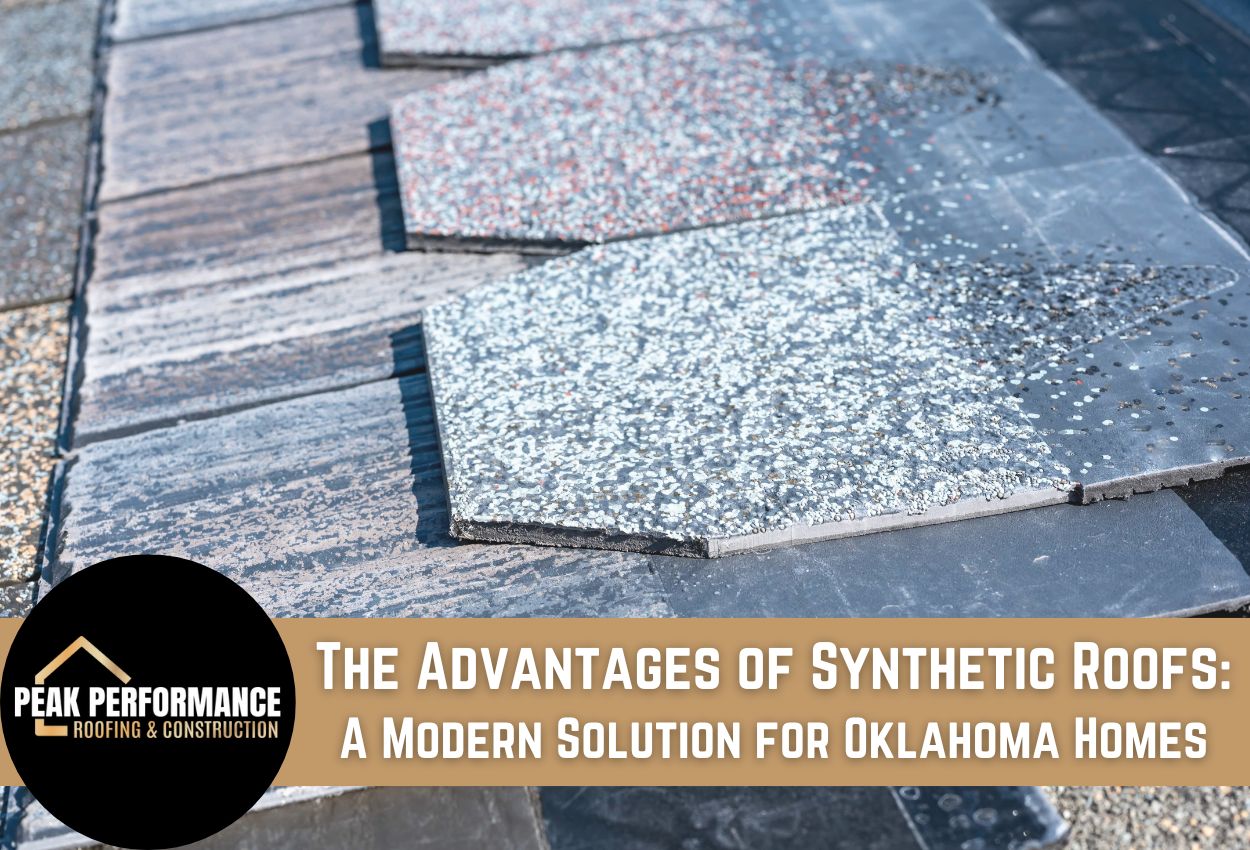 April 29, 2025What are the Advantages of Synthetic Roofs for Oklahoma Homes?Synthetic roofs offer durability, weather resistance, and style—see why homeowners are switching.
 -
 October 2, 2025Metal vs. Synthetic Roofs: Which Investment Lasts Longer for Your Home?Curious which roof lasts longer? Compare metal and synthetic roofing for lifespan, durability, and maintenance.
 -
 May 30, 2026Asphalt Shingle Roofing Services in Tulsa, OK, Local Experts You Can TrustNeed a roof that can handle Tulsa’s hail and high winds? Get expert asphalt shingle roofing, free inspections, and no-obligation estimates.
Protect Your Home with Expert Roofing
Don’t wait for leaks or storm damage to cause costly repairs. Our experienced roofing team provides fast, reliable service, high-quality materials, and lasting results. Ensure your home stays safe, secure, and looking great—contact us today for a free estimate.