 (918) 694-1483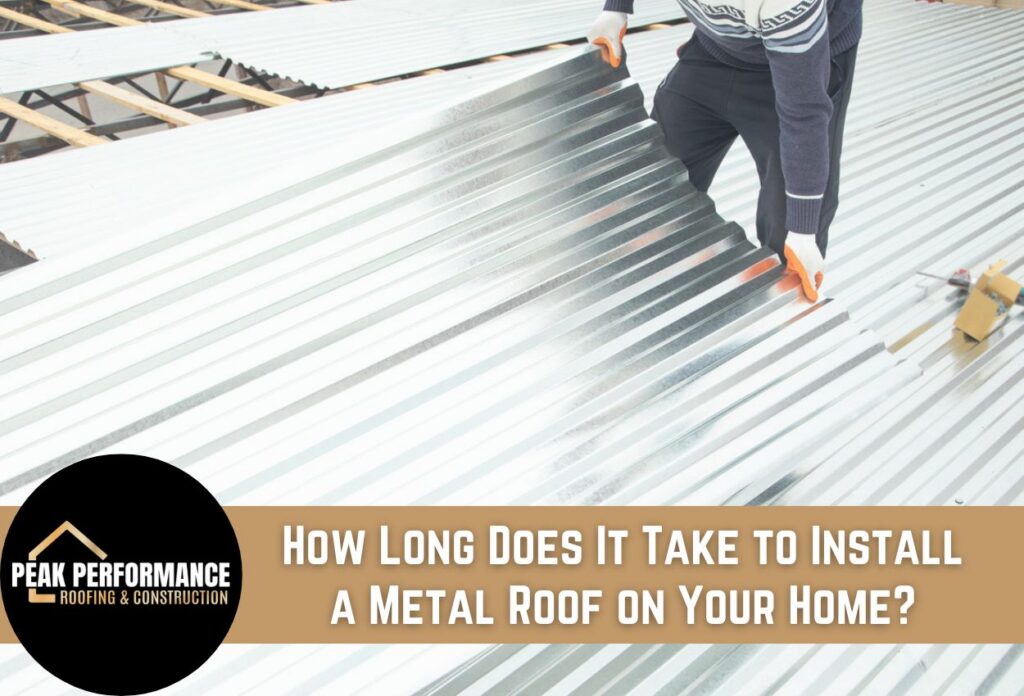

A typical metal roof installation on a residential home takes anywhere from 1 to 7 days to complete, depending on several key factors. The metal roof installation timeline varies based on the size of the home, the complexity of the roof design, weather conditions, and the experience level of the installation crew. A straightforward metal roof installation process on an average-sized home with a simple roof structure usually requires 2 to 3 days from start to finish.
Understanding the metal roof installation steps helps homeowners plan accordingly and set realistic expectations. The residential metal roof installation timeline includes removing the old roofing material if necessary, preparing the roof deck, installing underlayment, and securing the metal panels. Larger homes with multiple peaks, valleys, or architectural features naturally extend the installation duration. Weather plays a significant role, too, as rain, high winds, or extreme temperatures can halt work temporarily. Experienced contractors work efficiently while maintaining quality standards, ensuring the metal roofing system performs as intended for decades to come.
Key Factors That Affect Metal Roof Installation Duration
The metal roof installation timeline depends heavily on the specific characteristics of each project. Roof size directly impacts how long the metal roof installation process will take, as larger square footage requires more materials and labor hours. A compact 1,500 square foot roof typically installs faster than a 3,000 square foot surface. Roof pitch also plays an important role in the residential metal roof installation timeline. Steeper slopes require additional safety equipment and slower work speeds, while moderate pitches allow crews to move more efficiently. Architectural complexity adds time to any project, as homes with dormers, skylights, chimneys, or multiple valleys require precise cutting and custom flashing work during the metal roof installation steps.
Weather conditions can significantly extend or shorten installation schedules. Rain forces work stoppages to protect exposed roof decking, while extreme heat or cold affects both crew productivity and material handling. Crew size matters considerably, as larger, experienced teams complete installations faster than smaller groups. The need to remove existing roofing materials adds 1 to 2 days to the metal roof installation timeline. Homes with multiple layers of old shingles require extra demolition and disposal time before the new metal roofing system can be installed properly.
Breaking Down the Metal Roof Installation Process
The metal roof installation process begins with thorough preparation work before any panels go up. Contractors first conduct a detailed roof inspection to identify any structural issues, damaged roof decking, or necessary repairs. Accurate measurements follow to ensure proper material ordering and minimize waste. Once materials arrive on site, crews remove old roofing materials if replacement is needed, carefully disposing of shingles, felt paper, and damaged components. This preparation phase typically accounts for 30% to 40% of the total residential metal roof installation timeline.
The actual installation phase follows a systematic sequence of metal roof installation steps. Crews start by applying synthetic underlayment across the entire roof deck to create a waterproof barrier. Next comes the installation of drip edge and eave trim to direct water away from fascia boards. Metal panels are then carefully positioned and secured, starting from one edge and working across the surface of the roof. Each panel overlaps the previous one to ensure proper water shedding. Finally, ridge caps, hip trim, and valley flashing complete the weathertight system. This methodical approach to the metal roof installation process ensures long-lasting performance and protection.
Average Timeline for Different Types of Residential Metal Roofs
The metal roof installation timeline varies significantly depending on which roofing system homeowners choose. Standing seam metal roofs typically require 3 to 5 days for installation on an average-sized home due to the precision needed for concealed fasteners and interlocking panel design. This system requires careful alignment and specialized equipment to create the raised vertical seams that define its appearance. Metal shingle installations generally complete faster, often finishing within 2 to 4 days, as individual shingles install similarly to traditional asphalt products but with enhanced durability. Corrugated metal panel systems usually represent the quickest option, with straightforward installations wrapping up in 1 to 3 days on simple roof structures. These metal roofing systems can also be incorporated into a wind-resistant roof design, helping homeowners prioritize durability and performance in areas exposed to strong weather conditions.
Architectural complexity dramatically impacts the residential metal roof installation timeline regardless of material choice. A basic ranch-style home with a simple gable roof allows crews to work efficiently across large, uninterrupted surfaces. These straightforward projects typically fall on the shorter end of installation estimates. Multi-story homes or designs featuring multiple roof planes, dormers, turrets, or intersecting angles require additional time for precise measurements, custom fabrication, and detailed flashing work. Complex architectural designs can extend the metal roof installation process by 2 to 4 days compared to simpler structures of similar square footage.
What Happens During Each Day of Metal Roof Installation
The metal roof installation process typically unfolds over several distinct phases, with professional crews organizing their workflow to complete specific tasks each day. Day 1 usually focuses on removing existing roofing materials and preparing the surface. Crews arrive early, set up safety equipment, and systematically strip away old shingles, underlayment, and damaged flashing. They inspect the roof deck for soft spots, rot, or structural damage that requires repair before proceeding. This tear-off phase generates significant debris, which contractors contain with tarps and dumpsters positioned strategically around the property to minimize disruption.
Day 2 centers on preparing the roof deck and installing the protective underlayment system. Workers replace any damaged roof decking boards and ensure the entire surface is clean and secure. They roll out synthetic underlayment across the roof, securing it properly to create a weathertight barrier. Drip edge and starter strips go on next, establishing the foundation for panel installation. Days 3 and 4 involve installing the metal panels themselves, working methodically across the surface of the roof while checking alignment constantly. The final day addresses finishing details like ridge caps, valley flashing, and trim work, followed by a thorough cleanup and a walkthrough inspection with the homeowner.
How to Prepare Your Property for Faster Metal Roof Installation
Proper site preparation directly impacts the metal roof installation timeline by allowing contractors to work without interruptions or obstacles. Homeowners should clear driveway space and ensure crews have easy access to all sides of the house. Vehicles parked near the home create barriers that slow down material delivery and waste removal. Moving outdoor furniture, grills, potted plants, and decorative items away from the house perimeter protects belongings from falling debris and gives installers room to position ladders and scaffolding safely. Trimming back tree branches that overhang or touch the roofline prevents interference during the metal roof installation process and reduces the risk of damage to new panels.
Inside preparation matters just as much for keeping the residential metal roof installation timeline on track. Removing items from attic spaces prevents damage from vibrations and dust that occur during tearoff and installation phases. Informing neighbors about the upcoming project maintains good relations and prepares them for temporary noise and activity. Coordinating with contractors about daily start times, break schedules, and site access ensures everyone works efficiently. Protecting landscaping with plywood walkways or tarps preserves flower beds and shrubs near the house foundation, where workers frequently travel during the metal roof installation steps.
What to Do If Your Metal Roof Installation Takes Longer Than Expected
Project delays happen even with the most experienced contractors, and understanding common reasons for extensions helps homeowners manage expectations during the metal roof installation process. Unexpected weather represents the most frequent cause of timeline changes, as rain, high winds, or storms force work stoppages to protect exposed roof decking and ensure crew safety. Hidden structural damage discovered after removing old roofing materials requires immediate repair before the metal roof installation steps can continue. Material delivery delays from suppliers, equipment malfunctions, or unforeseen complications with roof geometry also extend the residential metal roof installation timeline beyond initial estimates.
Reputable contractors maintain transparent communication when timeline adjustments become necessary, contacting homeowners quickly to explain delays and provide revised completion dates. Professional roofing companies should answer specific questions about weather contingencies built into contracts, guarantees covering extended project duration, and daily progress expectations. Homeowners should ask contractors how they handle unexpected structural repairs, who pays for additional work discovered during installation, and what recourse exists if delays extend beyond reasonable timeframes. Establishing clear communication channels and understanding the contractor’s policies on project completion estimates before work begins prevents confusion and maintains trust throughout the metal roof installation timeline. Contractors serving the area can be reached at (918) 694-1483 for questions about project timelines and guarantee policies.
Expedite Your Home Upgrade with Peak Performance Roofing & Construction
Understanding the timeline for installing a metal roof is important for planning your home renovation project efficiently. At Peak Performance Roofing & Construction, we ensure that every step of the metal roof installation process is handled with precision and speed, from the initial roof inspection to the final trim work. Whether you’re considering a standing seam metal roof or a more complex corrugated panel system, our expert team is equipped to provide a seamless installation experience.
Contact Peak Performance Roofing & Construction today at (918) 694-1483 to discuss your roofing needs, request a roofing estimate, and learn how we can help minimize disruption to your household. Let us help you enhance your home’s durability and curb appeal with a professionally installed metal roof that lasts for decades!