 (918) 694-1483
 All About the Asphalt Shingle Roof Replacement Process


Asphalt shingle roof replacement is a significant home improvement that most property owners will make in their lifetime. Understanding the asphalt shingle roof replacement process helps homeowners know what to expect during this major undertaking.
Oklahoma’s extreme weather, including intense summer heat, severe thunderstorms, and occasional hail, takes a heavy toll on roofing materials. Asphalt shingles offer exceptional durability and weather resistance, making them the preferred choice for residential roofs across the region. These roof replacement materials provide excellent protection against wind uplift, moisture, and temperature fluctuations that characterize the local climate.
The shingle roof replacement begins with an assessment of the existing structure, followed by the removal of old materials and an inspection of the underlying roof deck. Professional residential roofing installation also involves preparing the substrate and installing new shingles according to manufacturer specifications.
Most asphalt shingle installations follow a specific process to create a weather-tight barrier. The roof replacement timeline typically spans several days, depending on the size and complexity of the project. Weather conditions, material availability, and structural issues can influence the overall duration of the replacement process. Whether you are planning for an upcoming project or are just curious about roofing work, this guide will walk you through the entire asphalt shingle roof replacement process.
Essential Materials and Tools Required for Shingle Roof Replacements
Successful asphalt shingle roof replacement depends heavily on selecting appropriate roof replacement materials and professional-grade equipment. Any residential roofing installation begins with high-quality underlayment, which is the moisture barrier beneath the shingles. Synthetic underlayment is an upgraded option compared to traditional felt paper due to its improved water and tear resistance, making it the better choice for long-lasting protection. Ice and water shield is often needed in vulnerable areas prone to water backup.
Flashing materials play a vital role in roofing systems, particularly around chimneys, vents, and roof valleys, where leak risks are highest. Step flashing, drip edge, and valley flashing must be properly sized and made from corrosion-resistant materials like aluminum or galvanized steel.
Professional contractors rely on specialized fasteners designed specifically for asphalt shingle applications. Roofing nails must meet specific length and gauge requirements to create secure holding power throughout the roof’s lifespan. Ring shank nails provide superior holding strength in high-wind conditions.
Essential tools include pneumatic nail guns, chalk lines for aligning shingles, utility knives for precise cuts, and safety equipment. The shingle roof removal process requires tear-off shovels, debris containers, and protective tarps. Material selection and tool usage directly impact installation quality and long-term performance of the completed roofing system.
Types of Asphalt Shingles Homeowners Can Choose
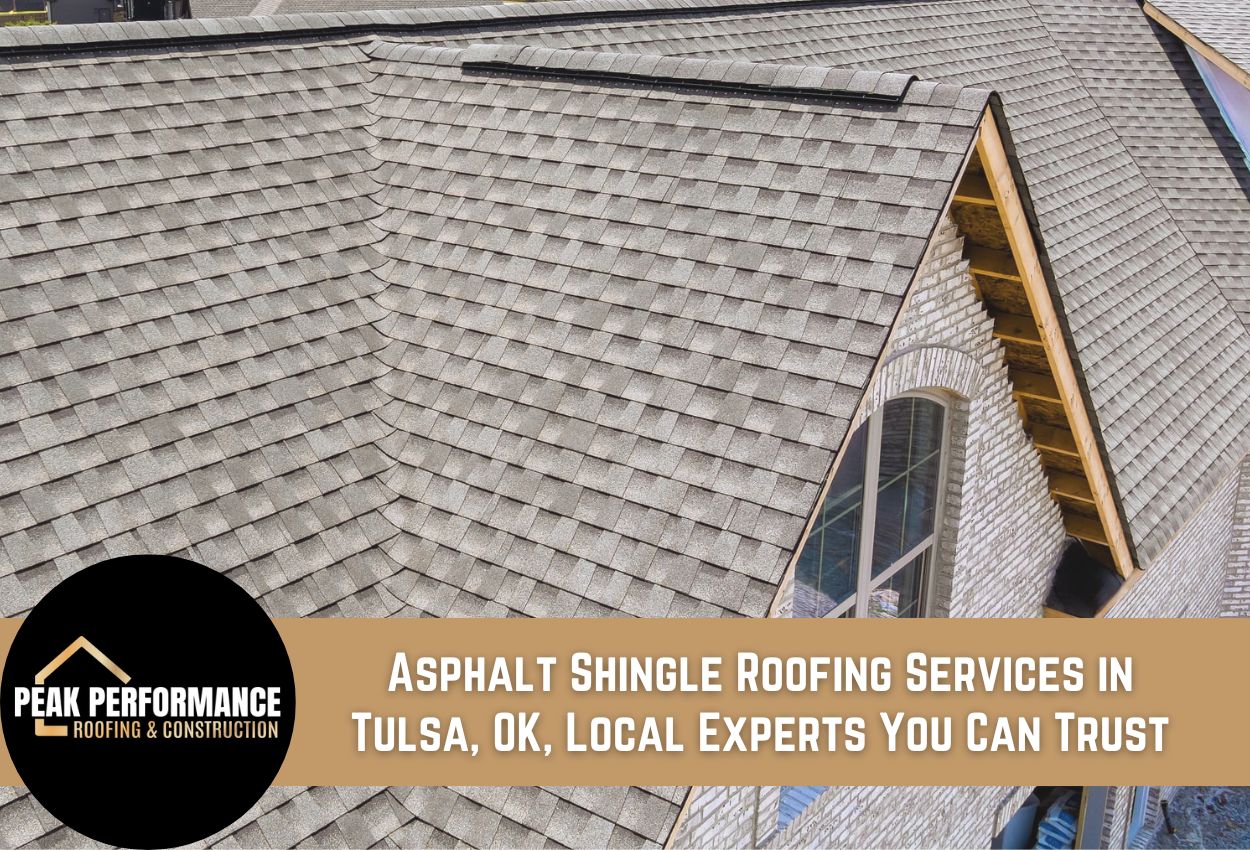
When choosing roof replacement materials for a home in Tulsa, homeowners generally have three main options: 3-tab shingles, architectural shingles, and premium or luxury shingles. Each type comes with different benefits, price points, styles, and features.
- 3-Tab Shingles: The most traditional and affordable option. They are flat, uniform in size, and designed to look like three separate pieces when installed. While they provide reliable protection, they have a shorter lifespan compared to higher-end shingles and are best suited for homeowners looking for a budget-friendly solution.
- Architectural or Dimensional Shingles: A step up in both durability and appearance. They are thicker than 3-tab shingles, offering a layered look that adds depth and curb appeal. Architectural shingles typically last longer, perform better in Tulsa’s changing weather conditions, and come with a stronger warranty.
- Premium or Luxury Shingles: The top-tier choice for homeowners who want maximum style and durability. These shingles are designed to mimic high-end materials, giving a more upscale appearance. They also offer superior resistance to wind, hail, and other harsh elements, which is especially important in Tulsa, where storms can be severe.
By understanding the differences between these shingle types, homeowners can choose the best option that balances budget, style, and long-term protection for their Tulsa homes.
Safe and Efficient Old Roof Removal Techniques
The shingle roof removal process requires pre-planning and strict safety guidelines that protect workers and your property. Professional contractors begin by establishing safety perimeters around the work area and installing protective barriers to prevent debris from damaging landscaping or neighboring structures.
Removing existing asphalt shingles starts at the roof ridge and progresses downward in manageable sections. Tear-off shovels with flat blades allow efficient removal of shingles while minimizing damage to the underlying roof deck. Workers strip away old materials, including damaged underlayment and deteriorated flashing components.
An inspection of the roof decking occurs during the asphalt shingle roof replacement process. Contractors examine plywood or OSB sheathing for signs of water damage, rot, or structural weakness. Any compromised decking materials must be replaced before proceeding with the shingle installation.
Debris management represents a critical component of safe removal techniques. Professional teams utilize roofing containers or tarped truck beds positioned strategically around the property perimeter. This prevents material accumulation on the roof surface, which creates hazardous working conditions and potential structural overload.
The roof replacement timeline accounts for thorough cleanup after material removal. Magnetic sweepers collect loose nails and metal debris from surrounding areas, while debris removal services handle the disposal of old roof replacement materials according to local regulations and building codes.
Professional Asphalt Shingle Installation Methods
Proper installation techniques are necessary for a successful asphalt shingle roof replacement, requiring precise attention to detail during every phase of the project. Professional contractors begin with starter strip installation along the roof’s edge, creating the foundation for shingle alignment. These specialized strips prevent wind uplift and ensure water flows correctly into gutters.
Accurate shingle placement follows established patterns that maintain consistent exposure lines and optimal weather sealing. Each course must align perfectly with chalk lines while maintaining recommended side lap distances between adjacent shingles. Shingle installation also includes specific nail placement patterns, typically requiring four to six nails per shingle positioned above the adhesive strip and penetrating into solid decking.
Ridge cap installation is one of the most critical phases of the asphalt shingle roof replacement process. These specialized shingles seal the roof peak against weather extremes while accommodating thermal expansion and contraction. Hip shingles require similar attention to detail, with proper overlap and nail placement ensuring long-term performance. Professional installers cut ridge caps to appropriate lengths and install them with prevailing wind direction in mind.
Ventilation integration occurs throughout the installation process, with intake vents positioned along the soffit areas and exhaust vents strategically placed near the ridge line. Sufficient ventilation prevents moisture accumulation and extends the time between future replacements by reducing temperatures in attic spaces.
Flashing and Weatherproofing Around Roof Penetrations
Flashing installation around roof penetrations requires meticulous attention to detail and waterproofing techniques. These critical areas, where pipes, vents, chimneys, and skylights intersect with the roof surface, create natural pathways for water infiltration if not completely sealed during the residential roofing installation.
For step flashing around chimneys, individual pieces of flashing must overlap each course of shingles, creating a continuous water barrier. Each piece of step flashing must extend a few inches onto the roof surface and up the vertical wall surface. This process requires careful coordination between roofing materials and flashing components to prevent gaps that allow moisture into the roof structure.
Vent penetrations need specialized boot flashing made from rubber or metal designed to accommodate pipe diameter and thermal movement. These roof replacement materials must seal tightly around penetrations while allowing for expansion and contraction. Professional installers position vent flashing beneath upper shingles and over lower courses, maintaining water flow patterns down the roof surface.
Valley flashing installation protects areas where two roof planes intersect, creating concentrated water flow channels during storms. Metal valley flashing extends beneath shingles on both sides, with proper overlaps to prevent water backup. An ice and water shield is often installed in these high-risk areas, extending the overall roof replacement timeline but creating a superior seal against Oklahoma’s severe weather conditions.
Timeline Expectations and Final Quality Inspection Process
Understanding realistic project timelines helps homeowners plan effectively for their asphalt shingle roof replacement and set appropriate expectations for each phase of the installation process. The roof replacement timeline typically spans three to seven days for average-sized residential properties, though several factors can influence the overall project duration and scheduling.
Weather conditions can significantly impact the asphalt shingle installation, as rain, high winds, or extreme temperatures can halt work completely. Oklahoma’s unpredictable weather patterns often require flexible scheduling to ensure safe working conditions and proper material installation. Temperature extremes affect shingle handling and adhesive activation, making moderate weather conditions ideal for residential roofing installation projects.
Structural damage found during the shingle roof removal process can extend project timelines when unexpected repairs become necessary. Properties with multiple layers of existing roof replacement materials require additional removal time, while complex roof shapes with multiple vents, skylights, and angles increase installation duration. Material delivery schedules and permit approval processes also influence the overall timeline for completion.
The final walkthrough process ensures all asphalt shingle roof replacement work meets quality standards and manufacturer specifications. Professional contractors conduct comprehensive inspections covering shingle alignment, nail placement, flashing installation, and ventilation components. This quality assurance phase includes checking for exposed nails, proper overlap patterns, and secure attachment of all ridge caps and hip shingles.
Warranty documentation provided during the final inspection generally covers both material defects and workmanship guarantees, typically ranging from 10 to 50 years, depending on shingle quality and installation standards. Property cleanup verification includes complete debris removal and magnetic sweeping of surrounding areas to eliminate safety hazards from loose nails or metal fragments. These final steps ensure your new asphalt single roof will protect your home and stand up to Oklahoma’s seasonal weather for years to come.
Trust Peak Performance Roofing & Construction for Your Asphalt Shingle Roof Replacement in Tulsa
Are you ready to enhance the durability and appearance of your home with a new asphalt shingle roof? Don’t let the Oklahoma weather wear down your biggest investment. At Peak Performance Roofing & Construction, we specialize in a thorough, efficient asphalt shingle roof replacement process for Tulsa homeowners. Our expert team ensures that every step, from the initial old roof removal to the final quality inspection, is handled with precision and care.
Take the first step towards a safer, more reliable roof by reaching out to us today at (918) 694-1483. Let us help you protect your home with high-quality materials and professional installation that lasts. Don’t wait, secure your home with Peak Performance Roofing & Construction now!